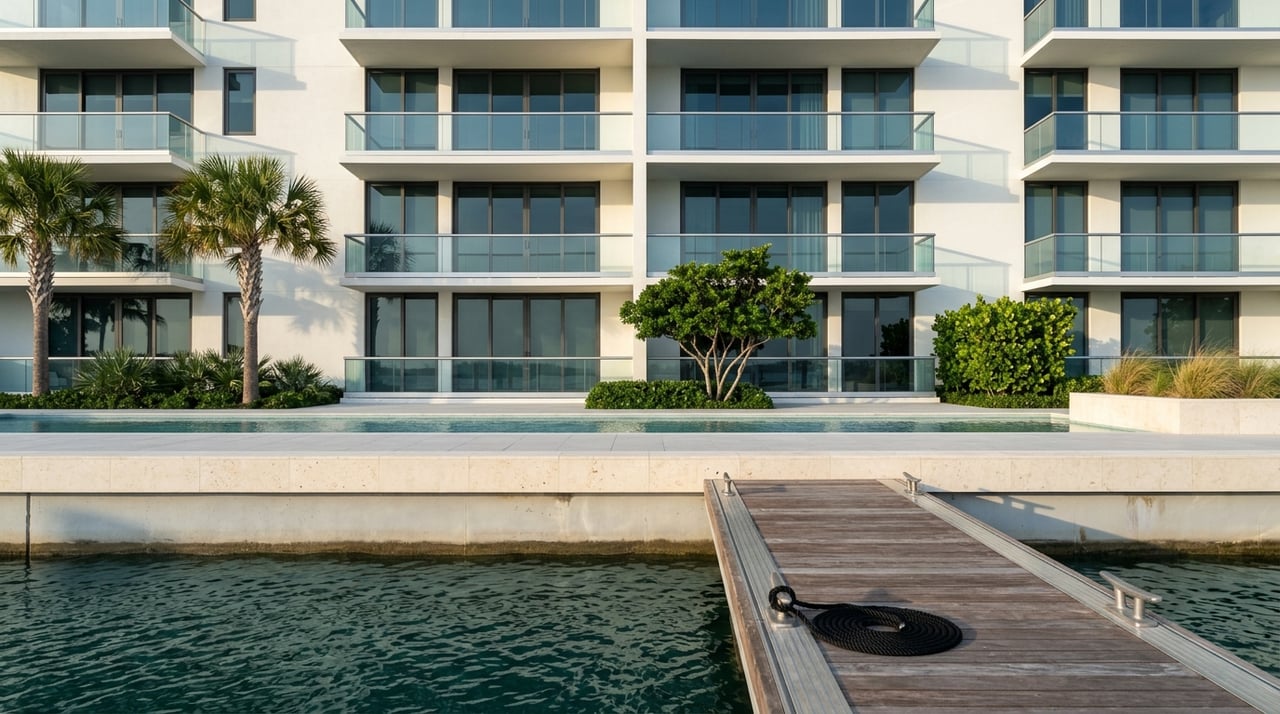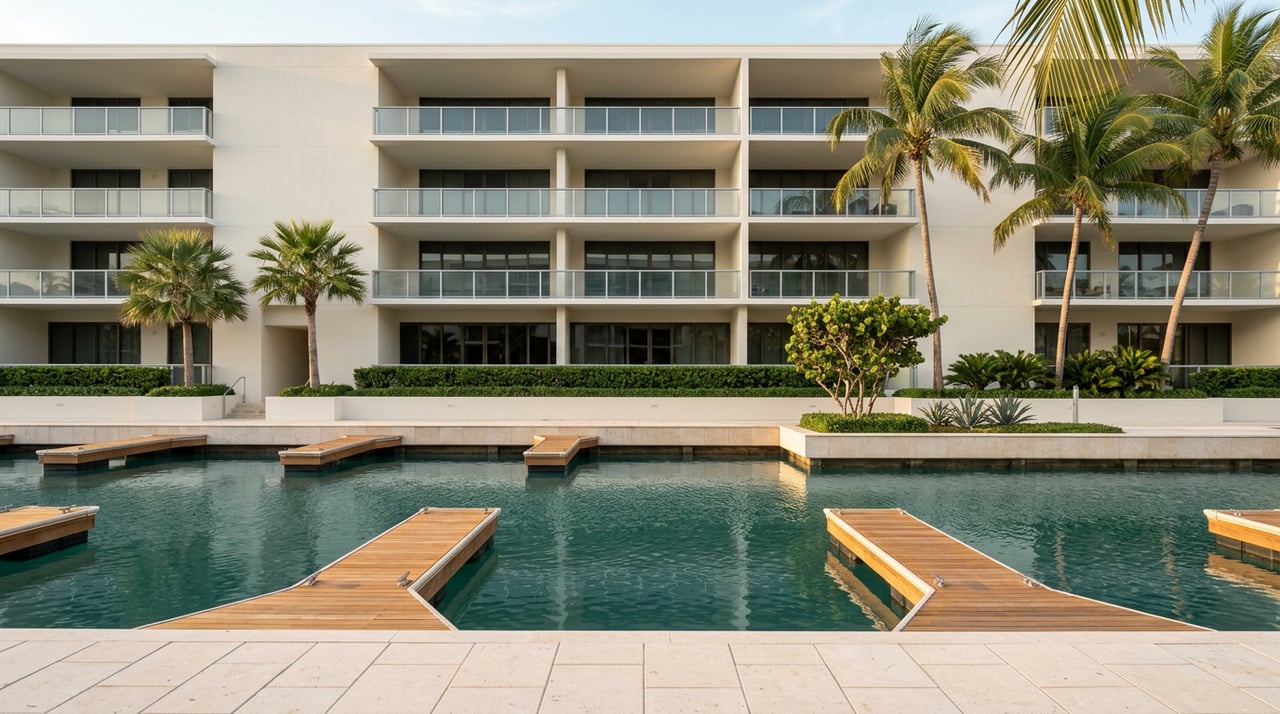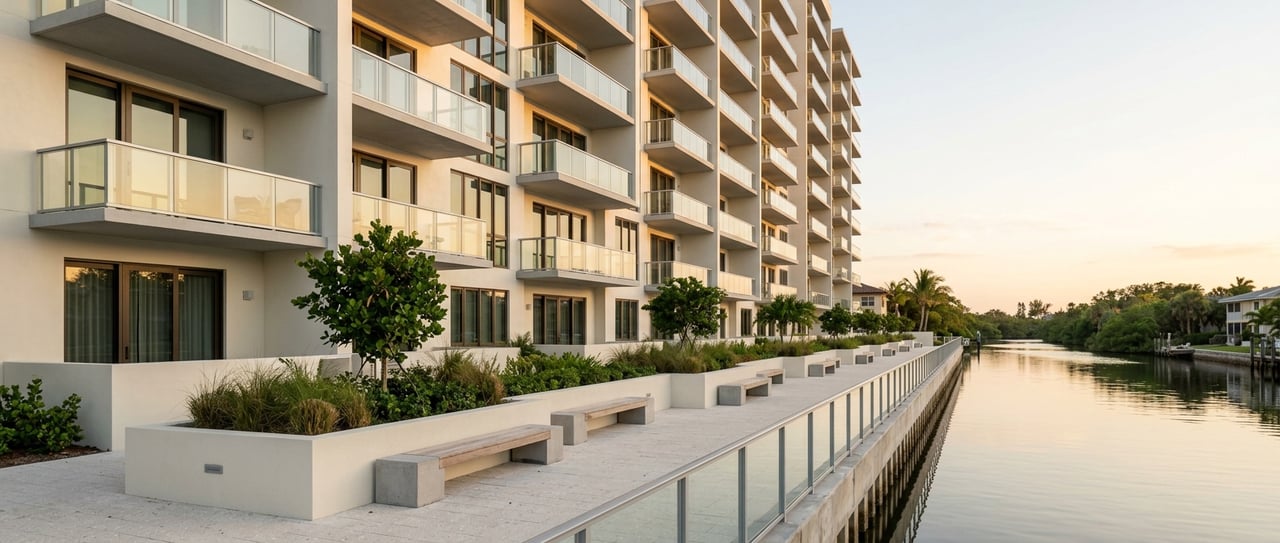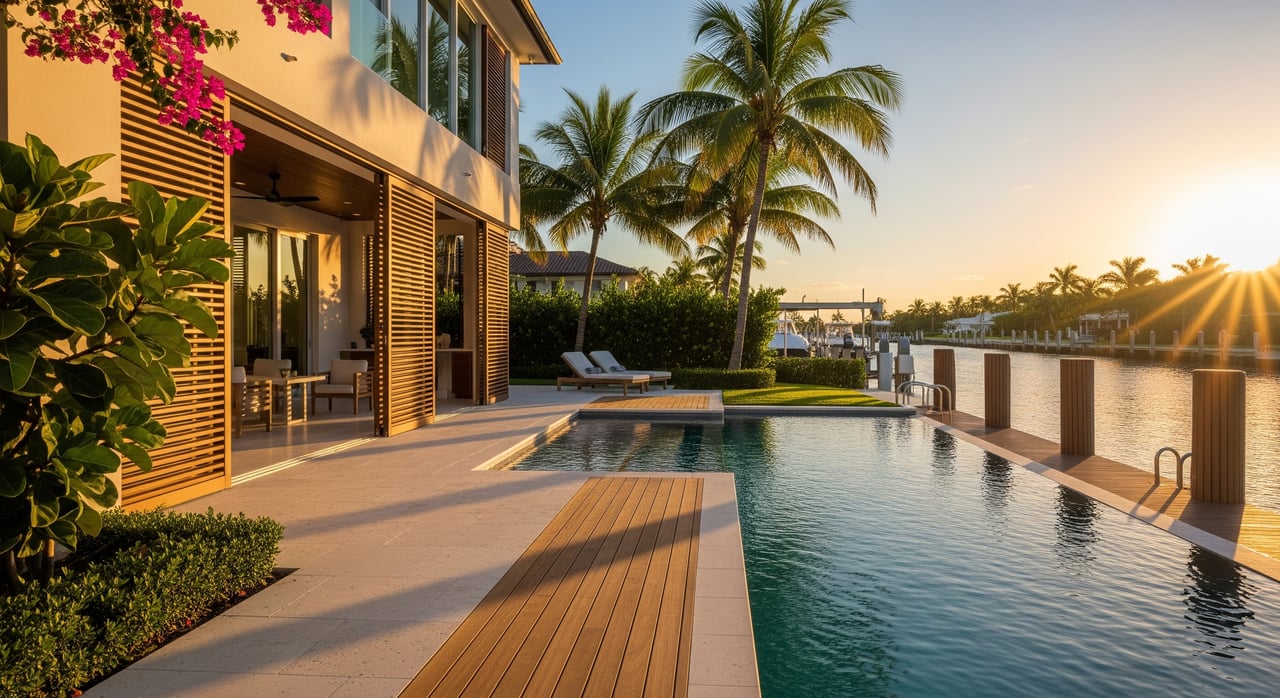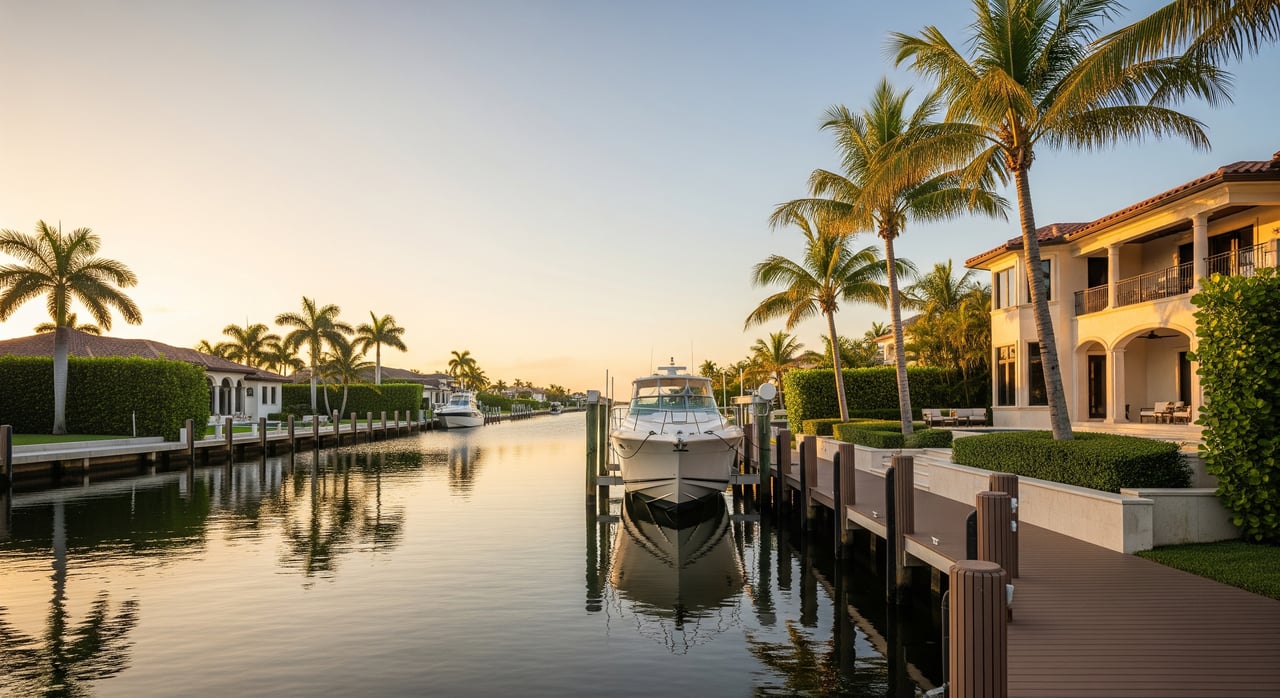
Picture leaving your dock, gliding through a calm canal, and reaching open Gulf waters in time for lunch. If you are considering Aqualane Shores, understanding how gulf access actually works will shape the property you choose and the boat you keep. You want a home that fits your boating lifestyle without surprises. In this guide, you will learn the route from canal to Gulf, what lot and dock traits matter most, and how to verify details before you buy. Let’s dive in.
Gulf access in Aqualane Shores
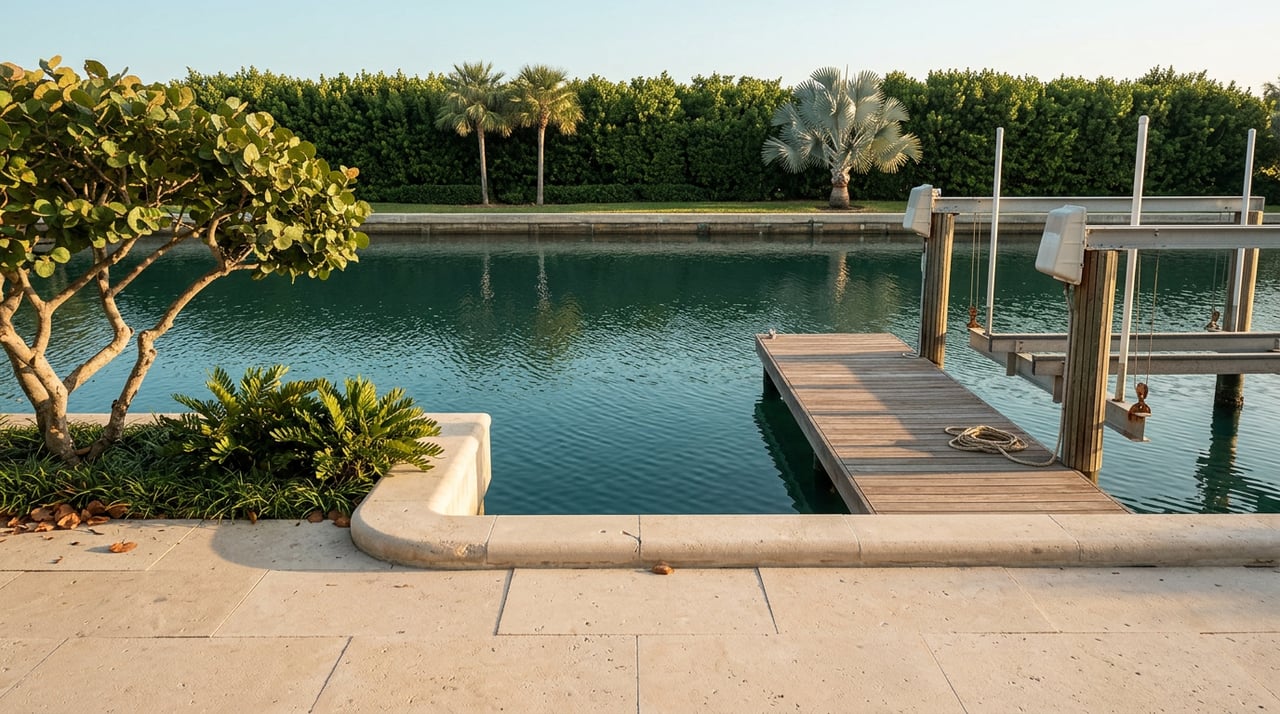
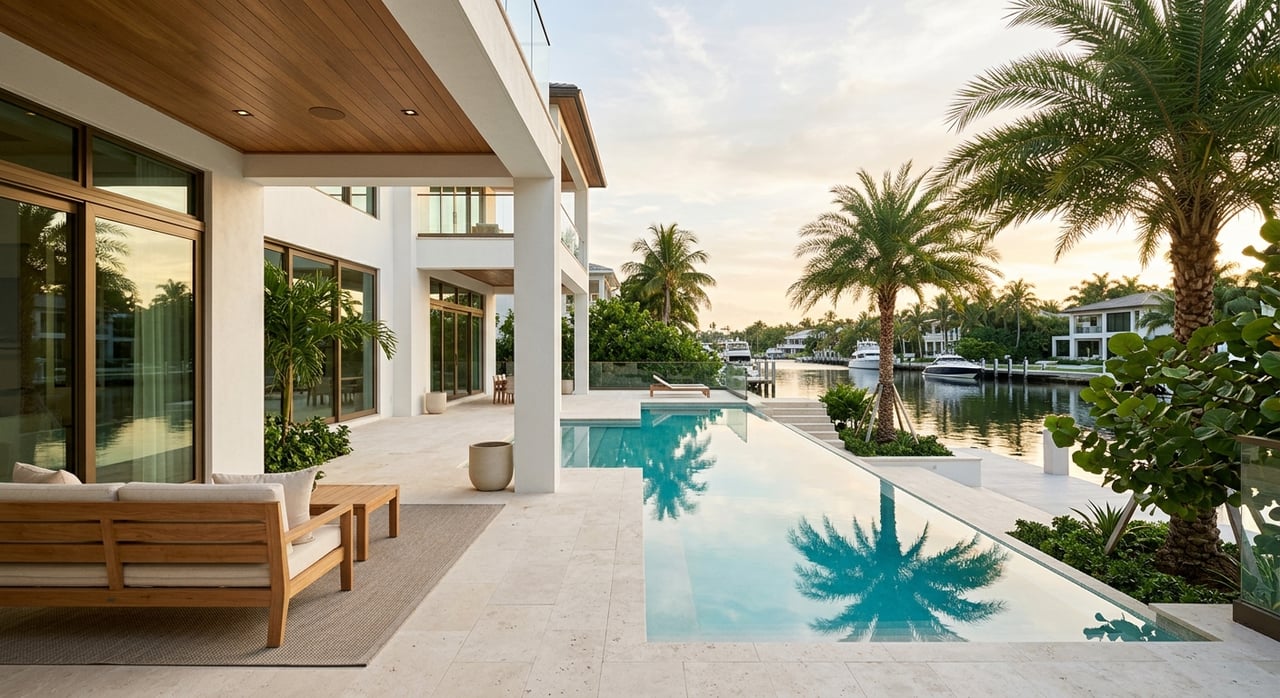
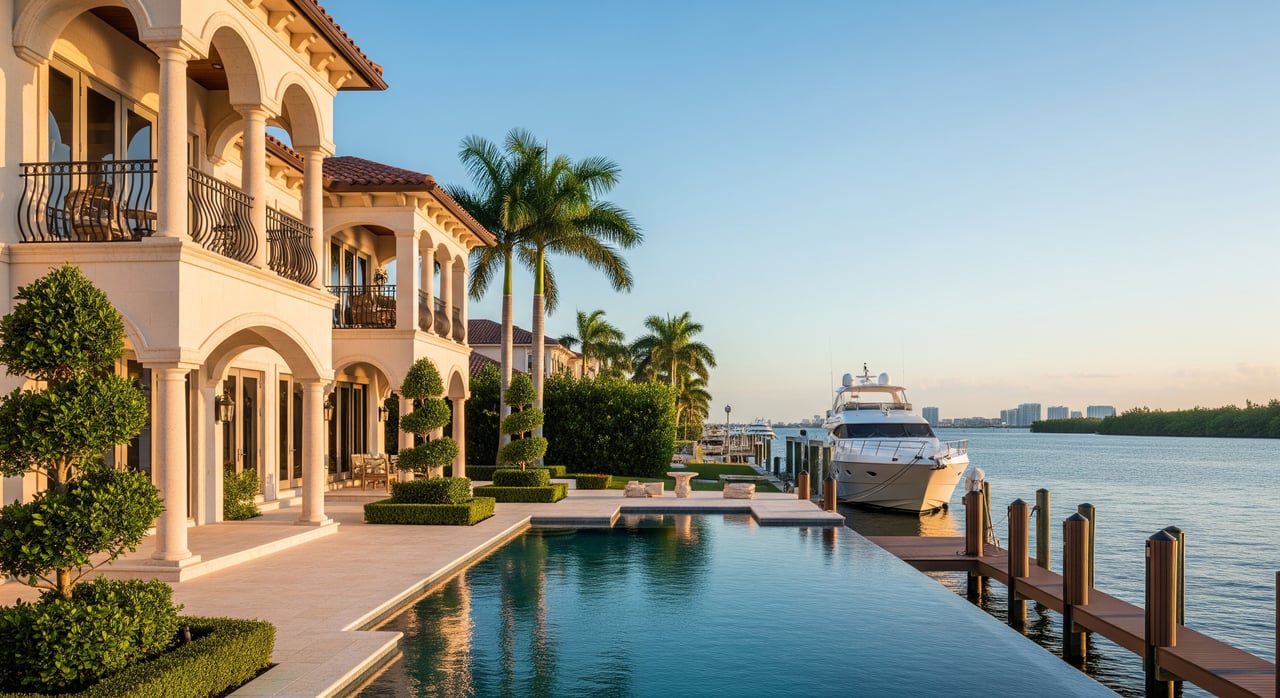
Aqualane Shores sits on Naples Bay with a web of residential canals. Most waterfront homes have seawalls and private docks that connect to the bay. From there, you reach the Gulf of Mexico through Gordon Pass. Your experience on the water depends on your canal position, typical depths at the dock, and conditions in the pass.
Canal to bay to Gulf: your route
- Start at your private dock on a residential canal.
- Navigate into Naples Bay, observing local speed and wake controls.
- Continue south to Gordon Pass, the inlet that connects the bay to the Gulf.
Short runs can be quick once you reach Naples Bay, but actual time depends on canal maneuvering, slow zones, and traffic through the pass.
Why Gordon Pass matters
Gordon Pass is the primary opening from Naples Bay to the Gulf. Current, tide, and shoaling influence how and when you transit. For many owners, planning around tide and sea state is part of a safe and comfortable day on the water.
Canal types and lot positions
Not all canal lots feel the same on the water. Your position in the network affects depth, maneuvering room, and travel time.
Through-canals vs dead-end canals
- Through-canals may offer better water circulation and can feel more straightforward to navigate.
- Dead-end canals are often quieter but can shoal more easily and leave less room for turning larger boats.
Neither is automatically better. Match the canal type to your boat handling comfort and draft needs.
Canal mouth, corner, and inner lots
- Canal-mouth and corner lots often have faster, more direct access to Naples Bay, with fewer turns.
- Inner canal lots are more sheltered, though you may face tighter maneuvering and more sensitivity to low-tide depths.
If you plan to keep a larger center console or sportfish, confirm turning room and depth at mean low water.
Seawalls and shoreline structure
Most properties feature seawalls. Condition, height, and maintenance history are essential for safety, insurance, and dock performance. If a seawall is older, factor potential repairs or replacement into your ownership plan.
Naples Bay navigation basics
Naples Bay provides a protected run compared to open Gulf waters. You will encounter no-wake or reduced speed areas near marinas and public docks, and traffic can be heavier around popular dining or fueling spots. Plan your route to account for these slower stretches, especially on busy weekends.
Traffic and staging
Some owners stage a trip with quick stops in the bay before heading out the pass. Expect mixed traffic, including recreational and commercial vessels that share marked channels.
Gordon Pass conditions
Gordon Pass is a defined, marked channel that leads directly to the Gulf. Conditions can change with weather and ongoing maintenance.
Tides, currents, and timing
Currents increase during tidal swings. For some boats, timing passage near slack tide can make transits smoother. If your boat is draft sensitive, avoid the lowest lows when possible.
Shoaling and dredging
Passes are dynamic. Sand shifts, and depths can vary between dredging cycles. Before purchasing, ask local professionals about recent shoaling patterns and whether conditions have changed since the last maintenance project.
Weather and sea state
Just beyond the pass, you are exposed to open Gulf conditions. Wind and swell can build quickly. Check marine forecasts and be conservative on days with stronger onshore winds.
Match your boat to your lot
Aqualane Shores can accommodate a wide range of boats, but details matter. Confirm draft, lift feasibility, and turning room before you buy.
Boat size and draft
Many center consoles, bay boats, and sportfishing boats are well suited to these canals. Larger yachts may need more depth and space. Always verify your draft against measured depths at the dock face at mean low water, and consider room to turn without risking prop or hull contact.
Dock, lift, and seawall factors
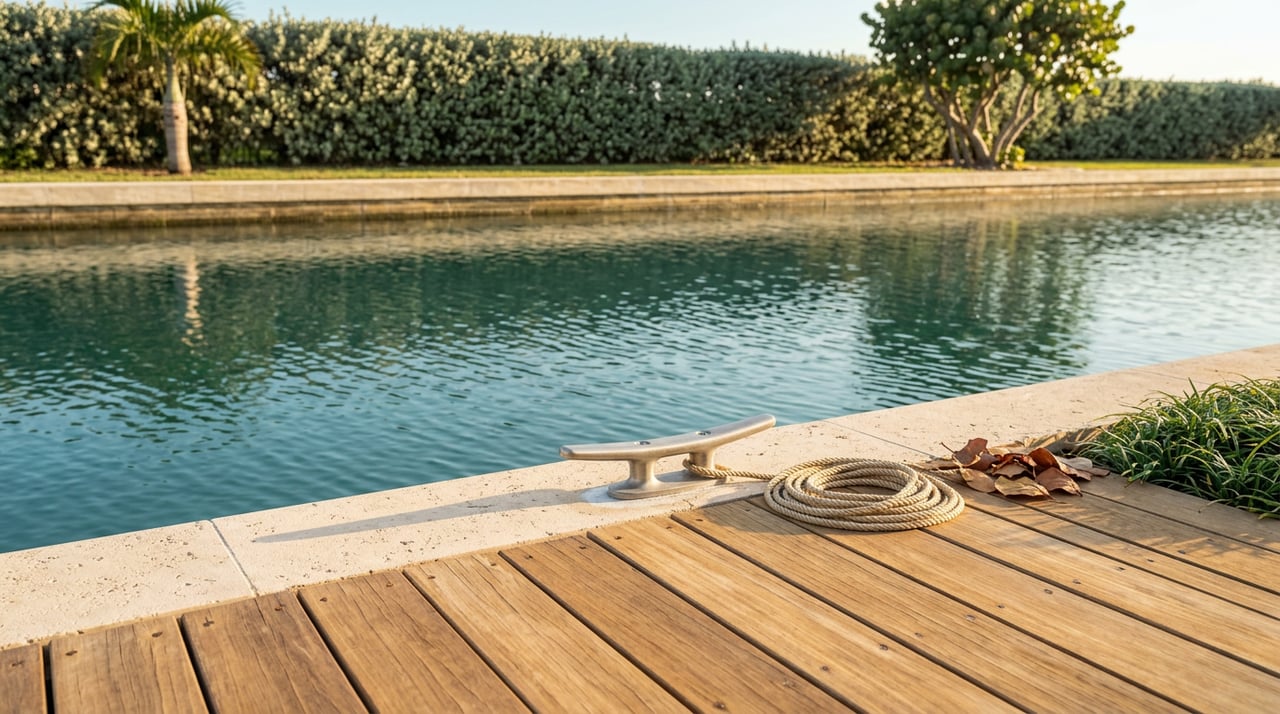
- Dock length and configuration affect the size of the boat you can keep and how easily you can board.
- Lift feasibility depends on depth at the seawall, structural capacity, and local permitting.
- Seawall condition influences both safety and insurance outcomes. A recent inspection provides clarity.
Maneuvering and exposure
- Lots near canal mouths or open bay can feel easier to maneuver and faster to access, though they may experience more wakes and exposure.
- Inner canal locations are sheltered but can be tighter for larger boats and more sensitive to low-tide shoaling.
Safety, insurance, and hurricanes
Owning a waterfront home means planning for weather, insurance requirements, and storm season logistics.
Tides and transit planning
The Gulf near Naples has a relatively small tidal range, yet low-tide depths still matter. Build a habit of checking tides and planning your pass transit with current and traffic in mind.
Insurance factors
Insurers often consider seawall condition, elevation, distance to open water, and local flood risk. For boats, carriers assess lift setup and storage plans. Gather quotes early and align coverage with your intended use.
Hurricane logistics
Have a clear plan for haul-out or off-site storage. Local capacity and scheduling can tighten during peak season. Confirm your options well before storms threaten and document procedures for both the home and the vessel.
How to verify a property’s gulf access
Approach each listing with a simple, disciplined process.
- Order inspections and surveys
- Obtain a recent dock and seawall inspection with photos and measurements.
- Request a depth reading at the dock face at mean low water from a marine surveyor or contractor.
- Confirm a boundary and riparian rights survey.
- Review official charts and notices
- Use NOAA nautical charts to understand charted depths and aids to navigation for Naples Bay and Gordon Pass.
- Check current tide and current information for likely transit windows.
- Review recent notices for any temporary hazards or buoy changes.
- Confirm local permits and records
- Check Collier County records for dock and seawall permits, plus any code issues.
- Review flood zone maps and any documented shoreline work.
- Gather local knowledge
- Speak with nearby marina operators, boatyards, and licensed captains who routinely run Gordon Pass.
- Ask neighbors about typical depths, shoaling, and canal traffic patterns.
Quick buyer checklist
- Lot and canal position: through-canal, canal mouth, corner, or inner canal.
- Maneuvering room: canal width and turning basin for your boat length.
- Water depth and draft: measured at the dock face at mean low water.
- Dock and lift: length, configuration, existing lift, and permits.
- Seawall: condition, age, and last repair or rebuild date.
- Distance and time to Gordon Pass: measure nautical miles and factor slow zones.
- Overhead clearance: confirm any nearby lines or fixed crossings.
- Local controls: any rules on wakes, mooring, or boat size; manatee protection areas.
- Shoaling and maintenance: recent pass conditions and dredging updates.
- Insurance and hurricane plan: quotes, flood zone, lift requirements, and haul-out options.
Value and resale considerations
Homes with faster access, deeper water, and easier maneuvering often command premiums. Balance those benefits with potential exposure to wakes, seawall wear, and insurance costs. Buyers who verify depth, permits, and seawall health up front typically enjoy a smoother close and stronger long-term ownership experience.
Ready to evaluate Aqualane Shores?
If you want a property that truly fits your boating routine, focus on canal position, measured dock depth, and your plan through Gordon Pass. A clear due diligence process will protect your time and investment while preserving the boating lifestyle you expect in Naples. For confidential guidance on specific lots and private offerings in Aqualane Shores, request a private consultation with James Bates.
FAQs
What does gulf access mean in Aqualane Shores?
- It means moving from your private dock on a residential canal into Naples Bay, then transiting Gordon Pass to reach the Gulf of Mexico.
How long does it take to reach the Gulf from Aqualane Shores?
- Timing varies by canal location, slow zones, and boat speed; measure the route on a chart and account for canal maneuvering and pass traffic.
Can I keep a 30 to 40 foot boat at an Aqualane Shores dock?
- Possibly, but verify dock length, depth at mean low water, turning room in the canal, and lift capacity with a recent inspection and depth reading.
Are there fixed bridge limits between Aqualane Shores and the Gulf?
- Routes to Gordon Pass are generally free of high fixed bridges, but confirm for the specific property and check for any nearby overhead lines.
Is Gordon Pass safe year-round for most boats?
- Conditions change with weather, tide, and shoaling; review current notices and consult local captains or marinas for real-time guidance.
Do canal-mouth or bayfront lots cost more to maintain?
- They can see more wake and exposure, which may influence seawall wear and insurance; weigh faster access against potential maintenance and premiums.