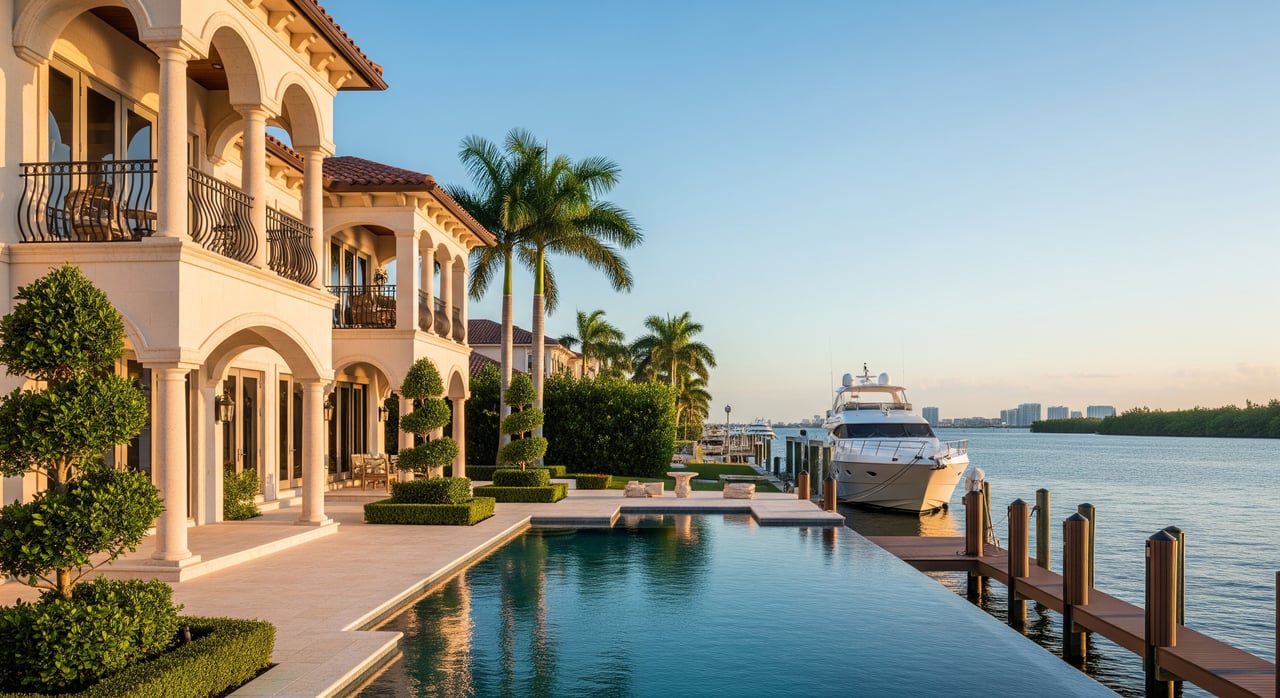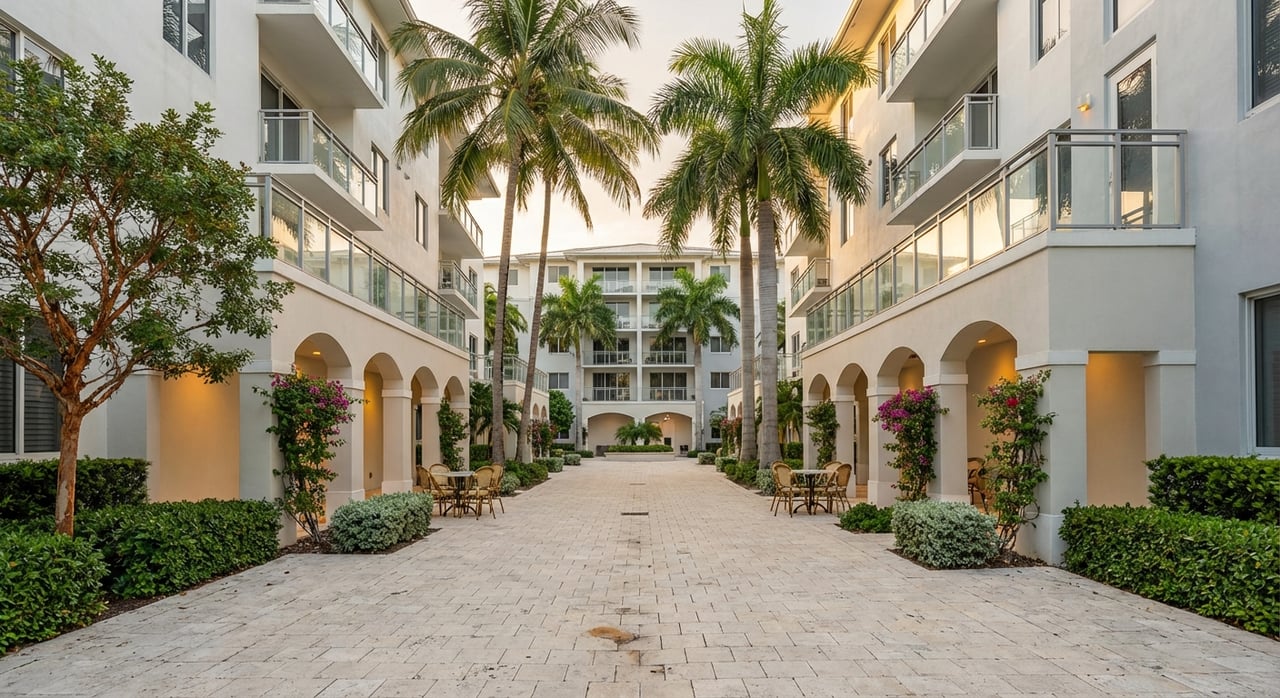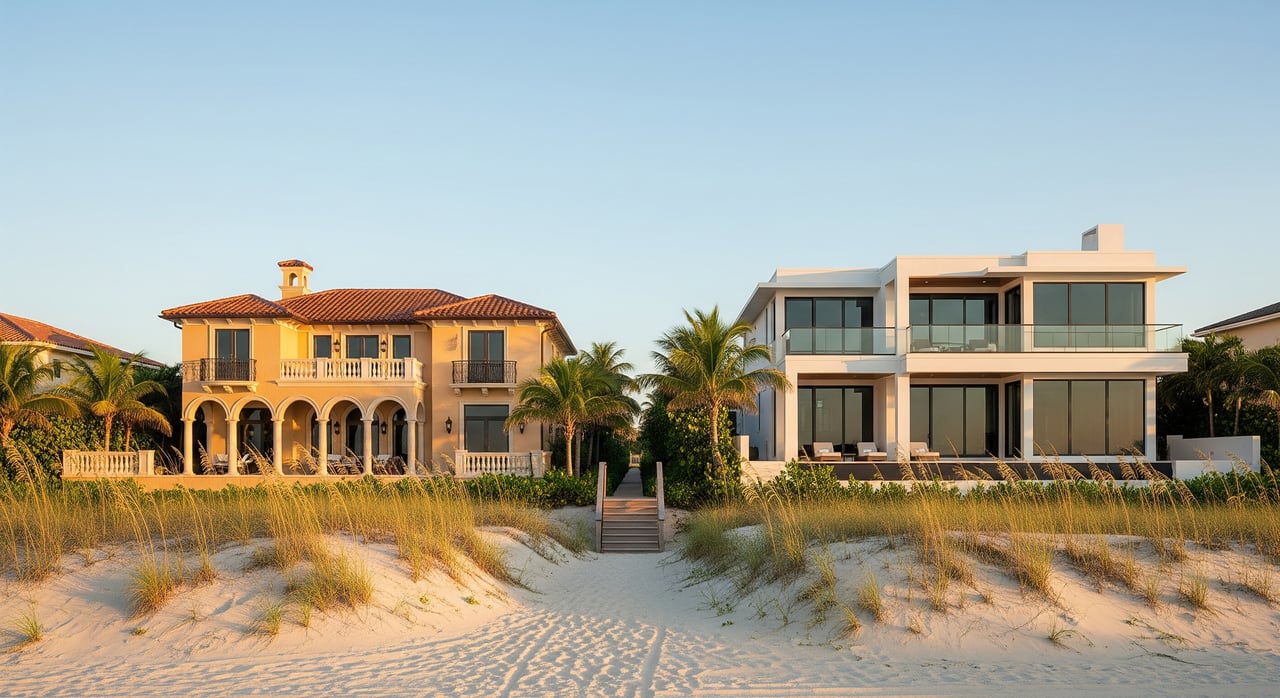
Torn between a ground-level villa and a sky-high tower in Pelican Bay? You are not alone. Each offers a distinct lifestyle, cost profile, and risk picture. In this guide, you will learn how villas and high-rises differ in Pelican Bay, what to verify before you buy, and how to match each option to your priorities. Let’s dive in.
Pelican Bay property types: a quick orientation
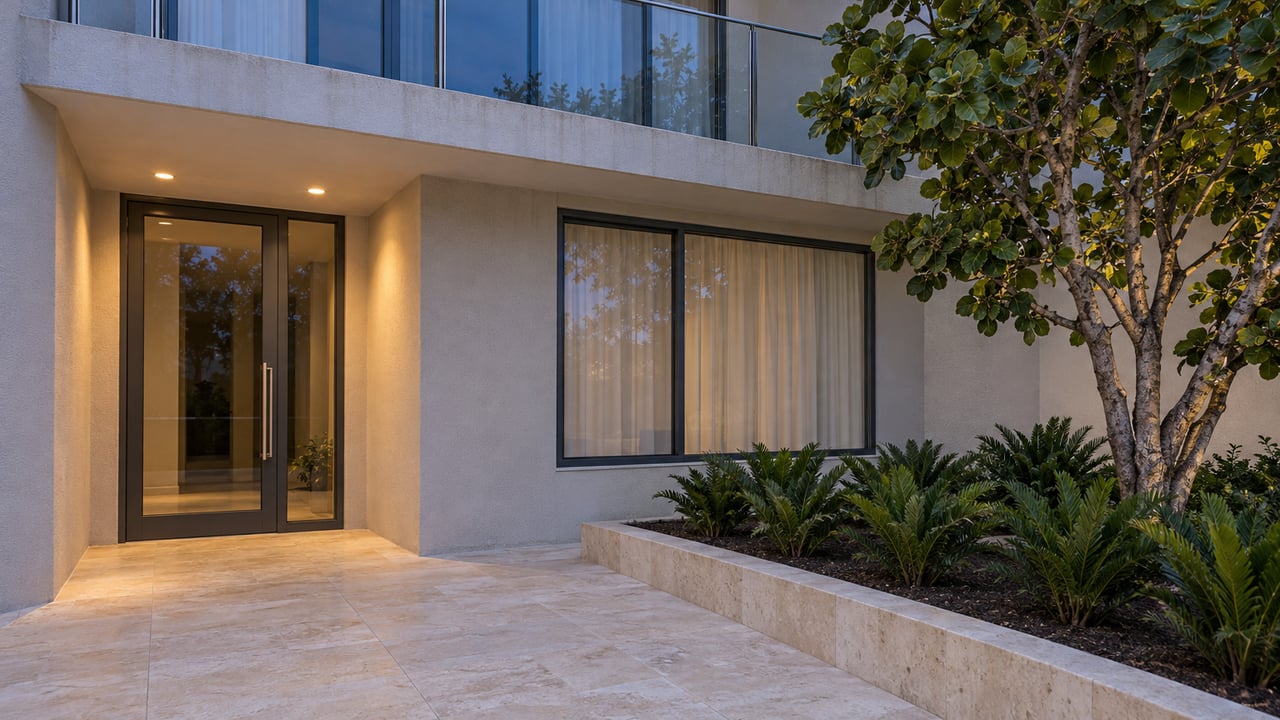
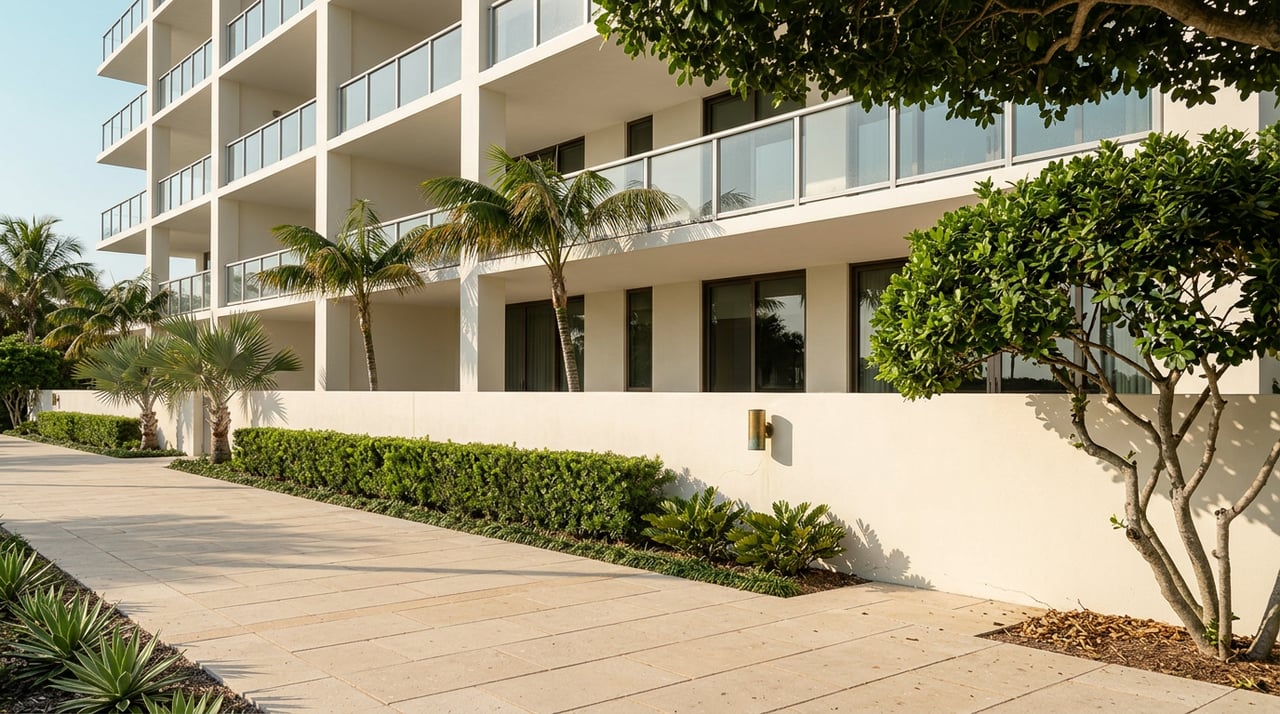
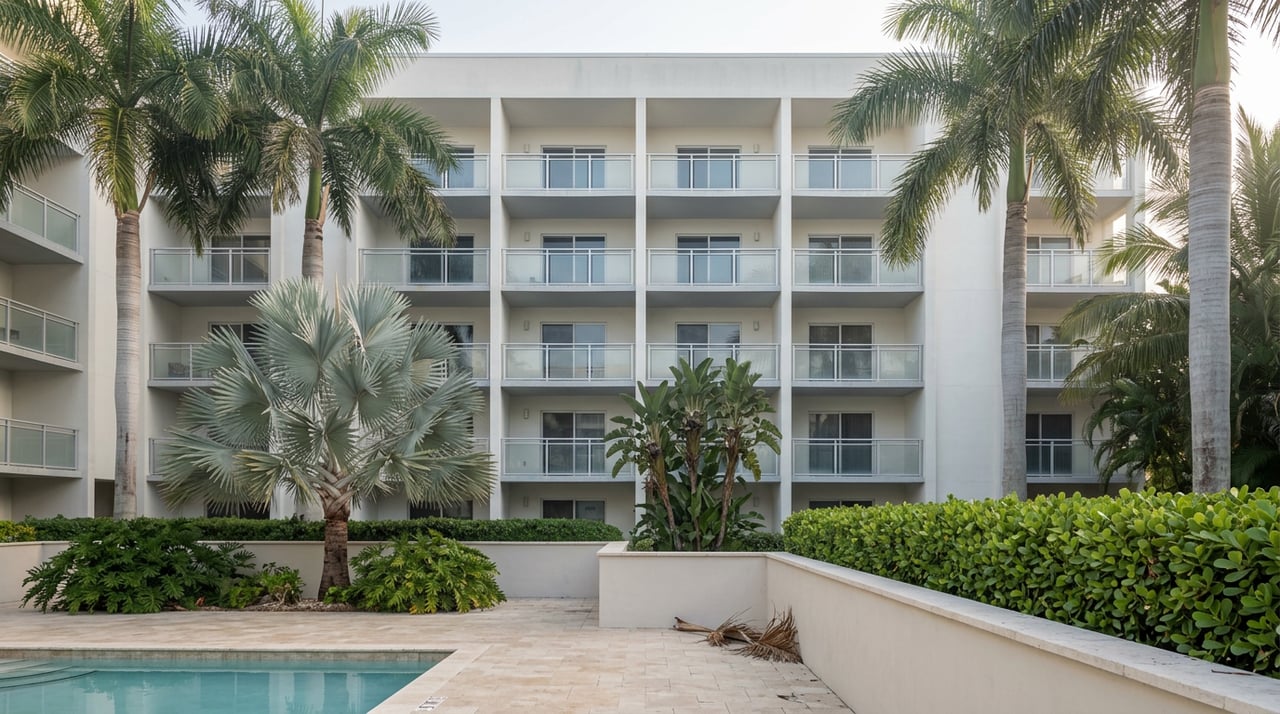
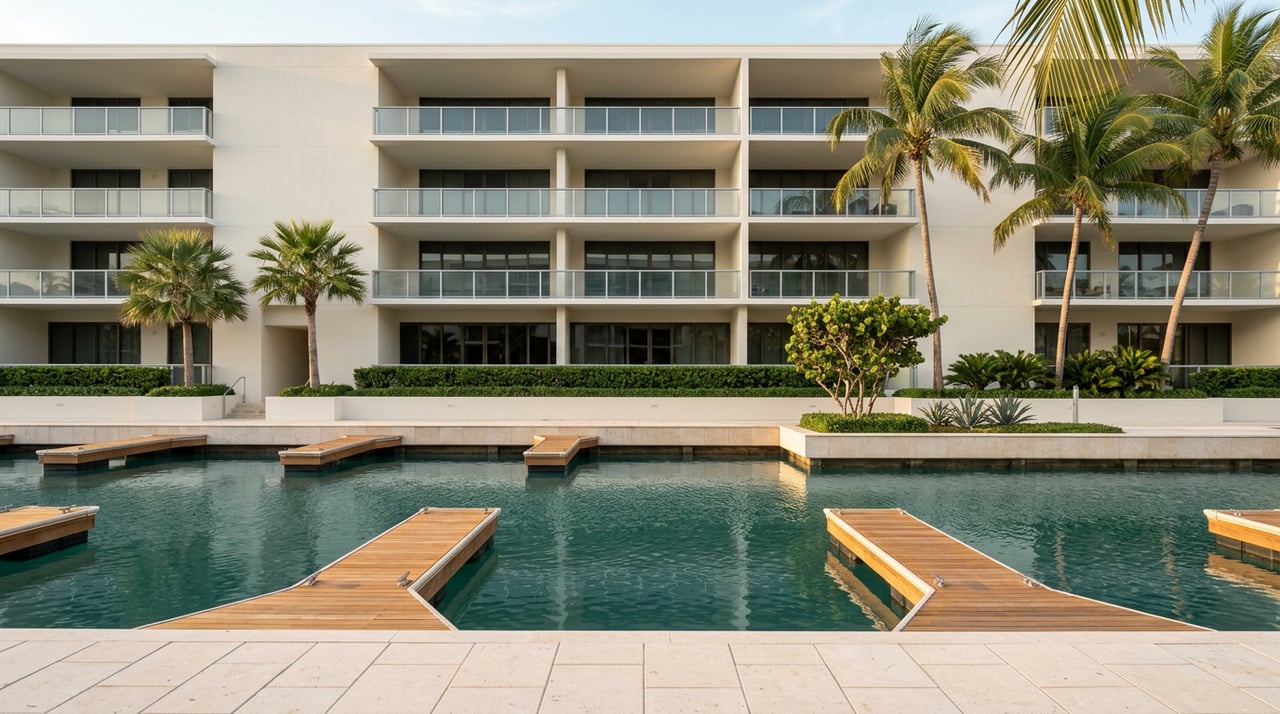
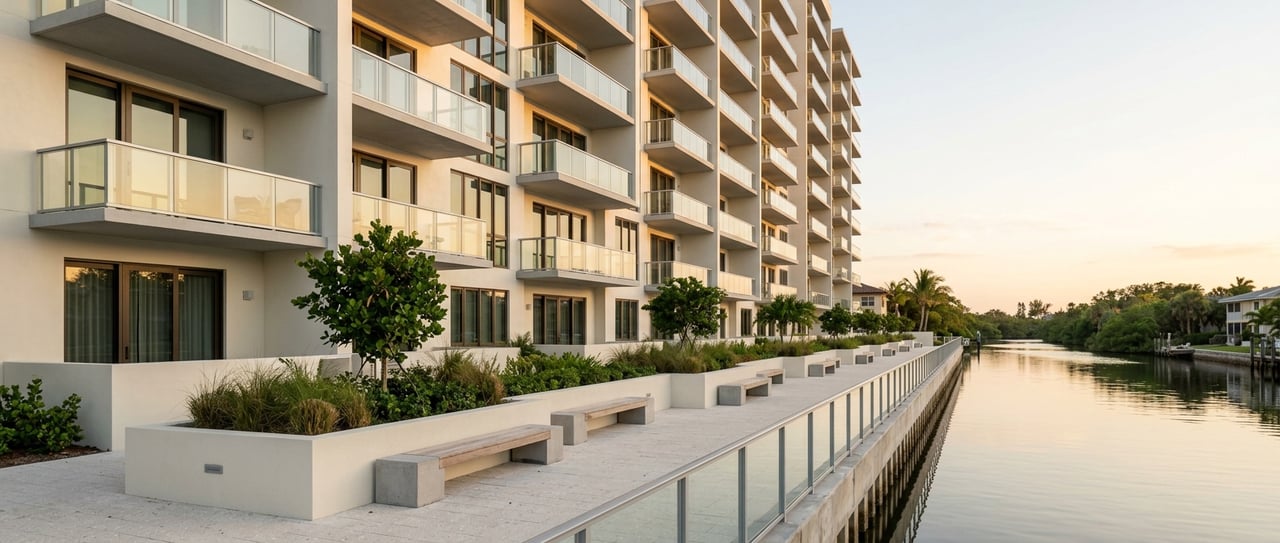
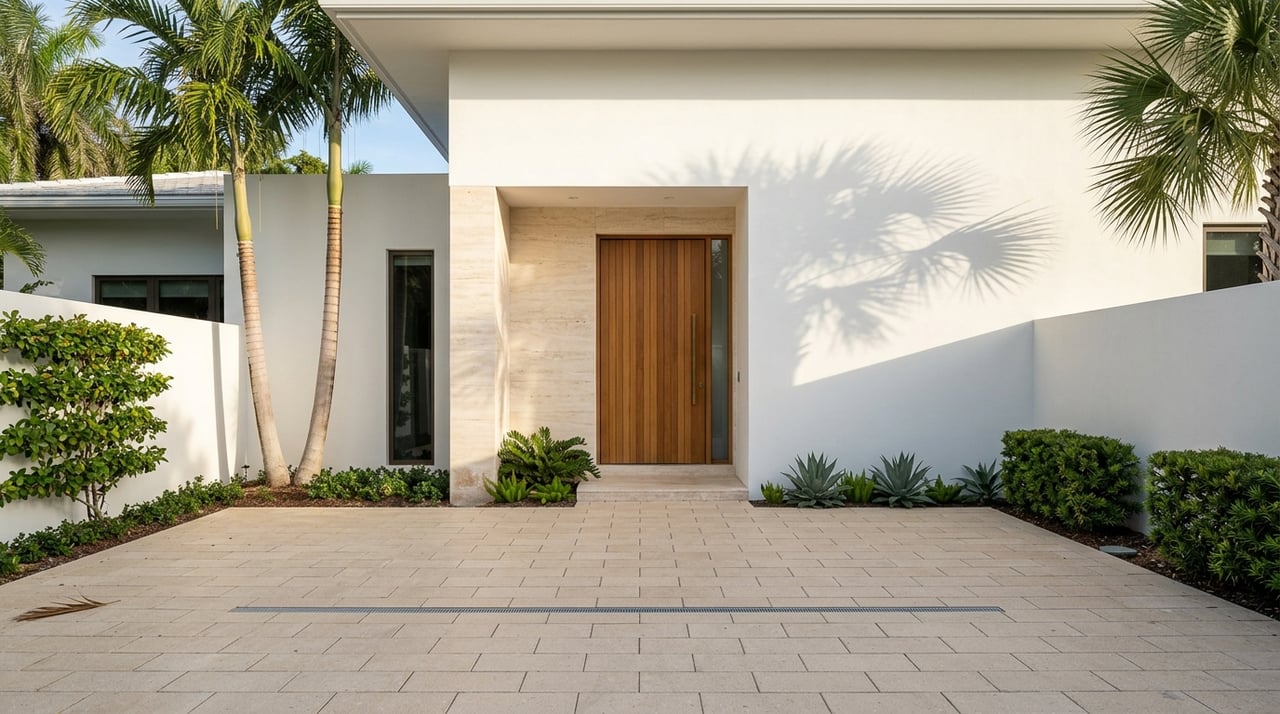
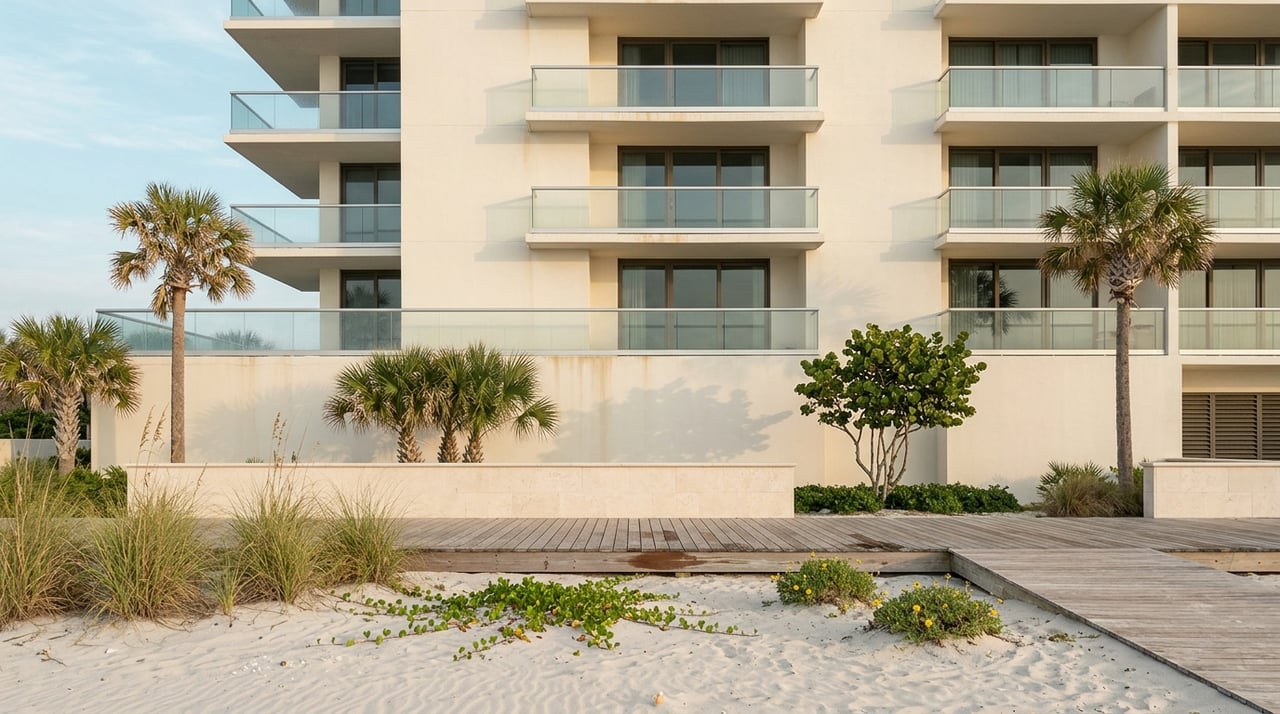
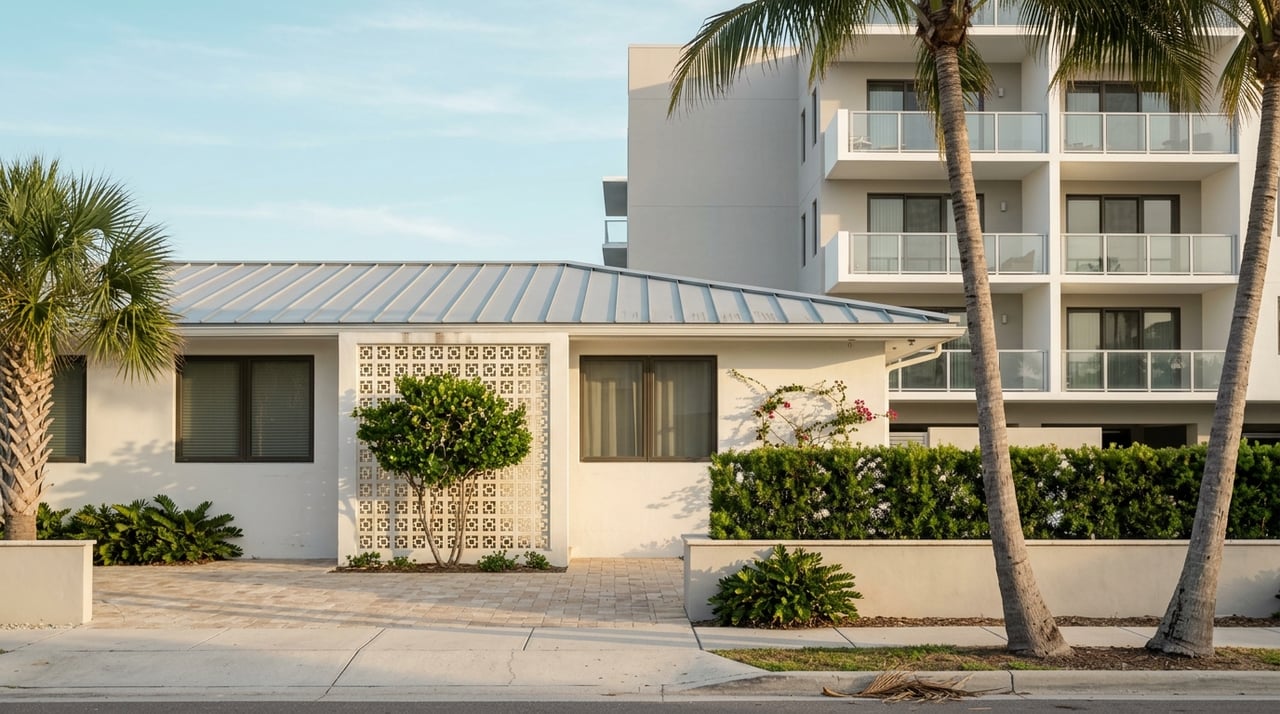
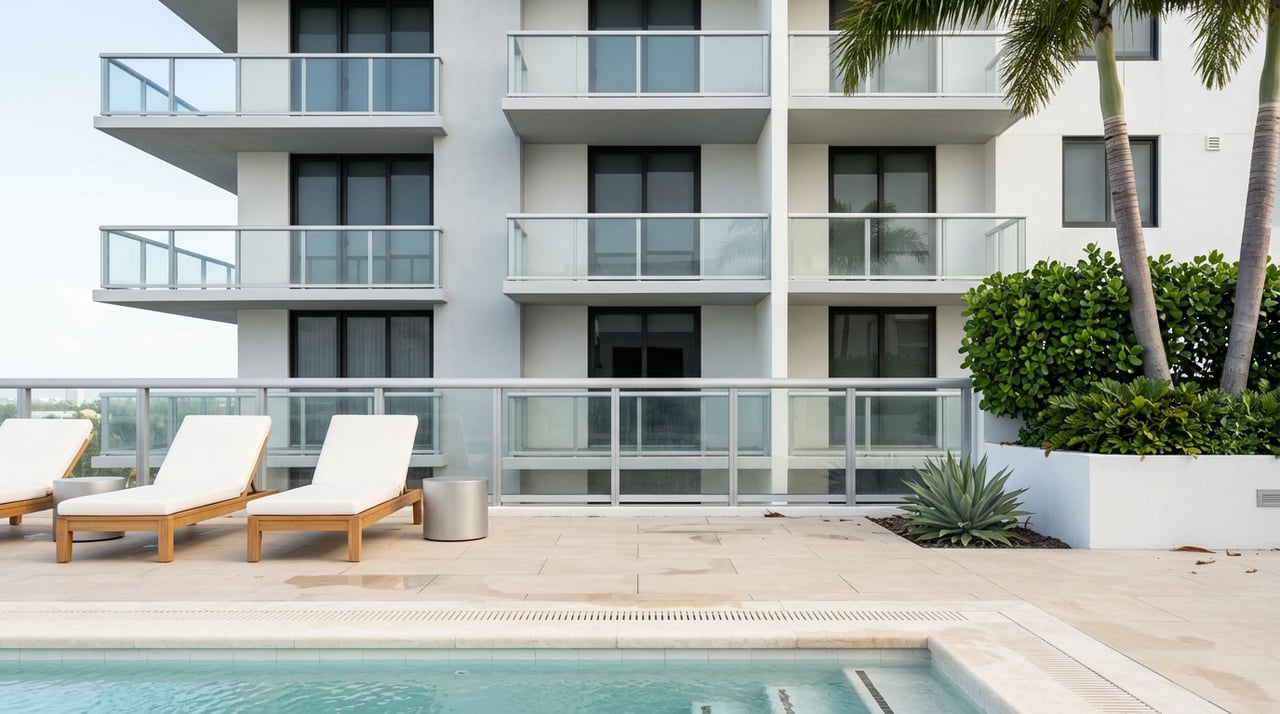
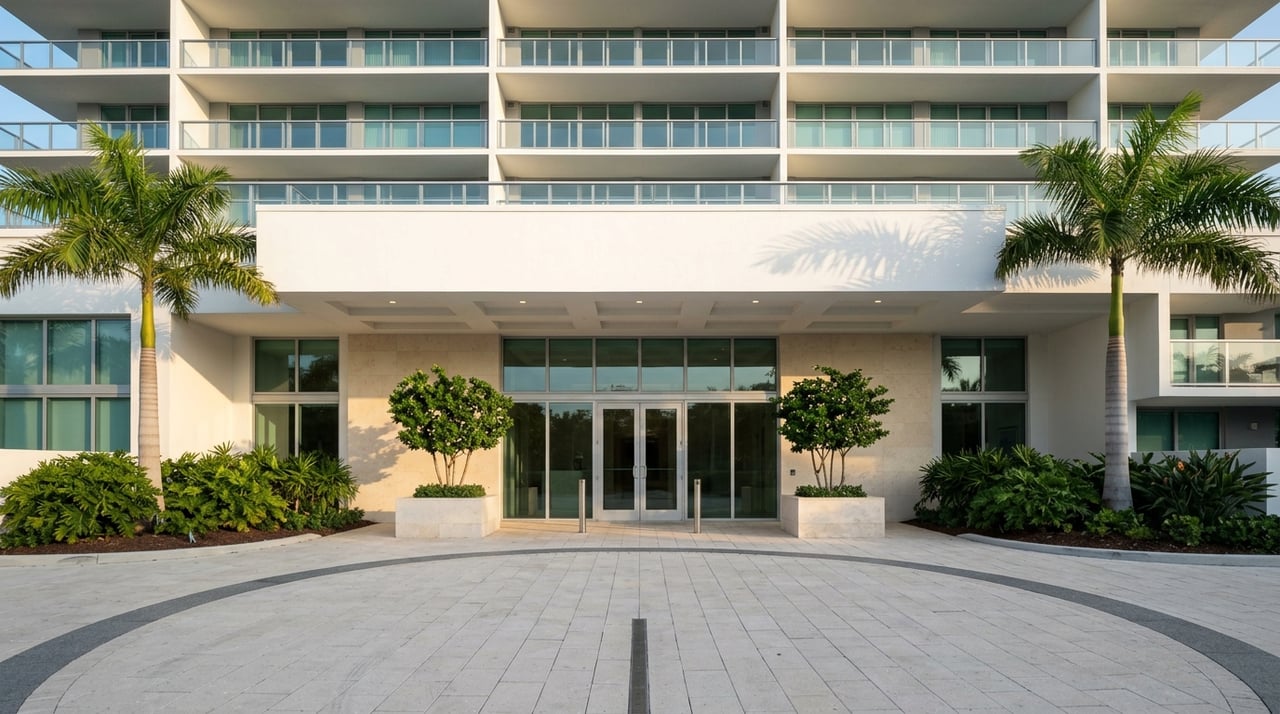
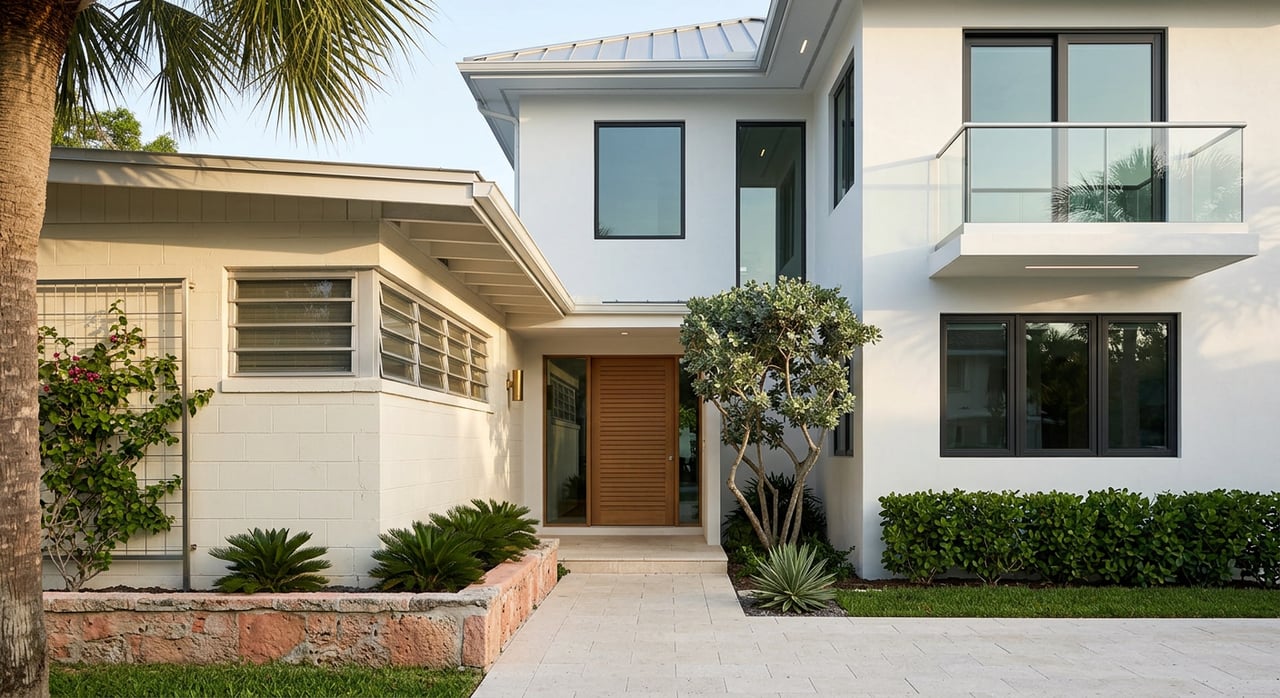
Pelican Bay includes low-rise villas and townhomes, mid-rise buildings, and high-rise Gulf and bay towers. Villas are often one or two stories with private entries and outdoor areas. High-rises are multi-story buildings with stacked units and shared vertical circulation.
Ownership structure matters. Villas can be fee-simple (you own the structure and lot) or part of a condominium regime. In a fee-simple setup, you typically handle exterior systems. In a condominium, the association often manages the exterior and common elements. High-rise residences are generally condominiums with a master policy for the building envelope.
Pelican Bay also has a master association that overlays village and building associations. The master entity typically manages communitywide amenities and rules that apply across villages. Always confirm the specific ownership form and governing documents because these determine responsibilities, insurance, and use policies.
Lifestyle, privacy, and outdoor space
Space and outdoor living
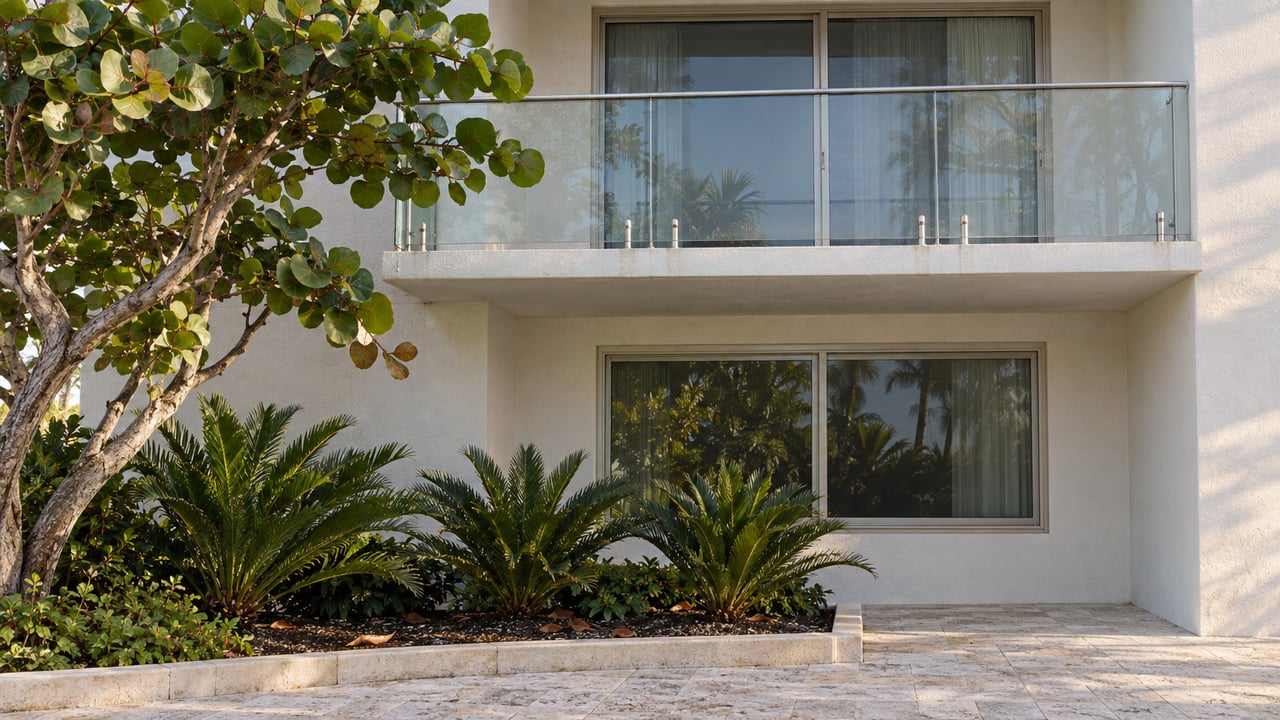
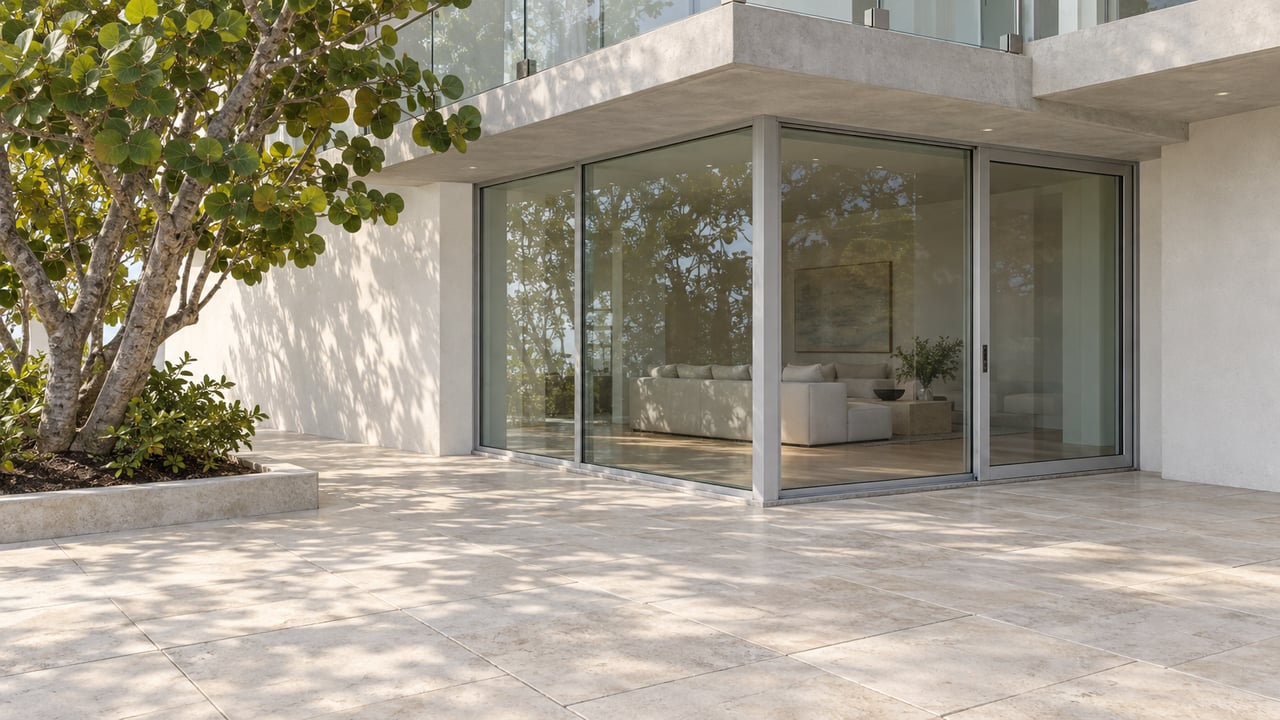
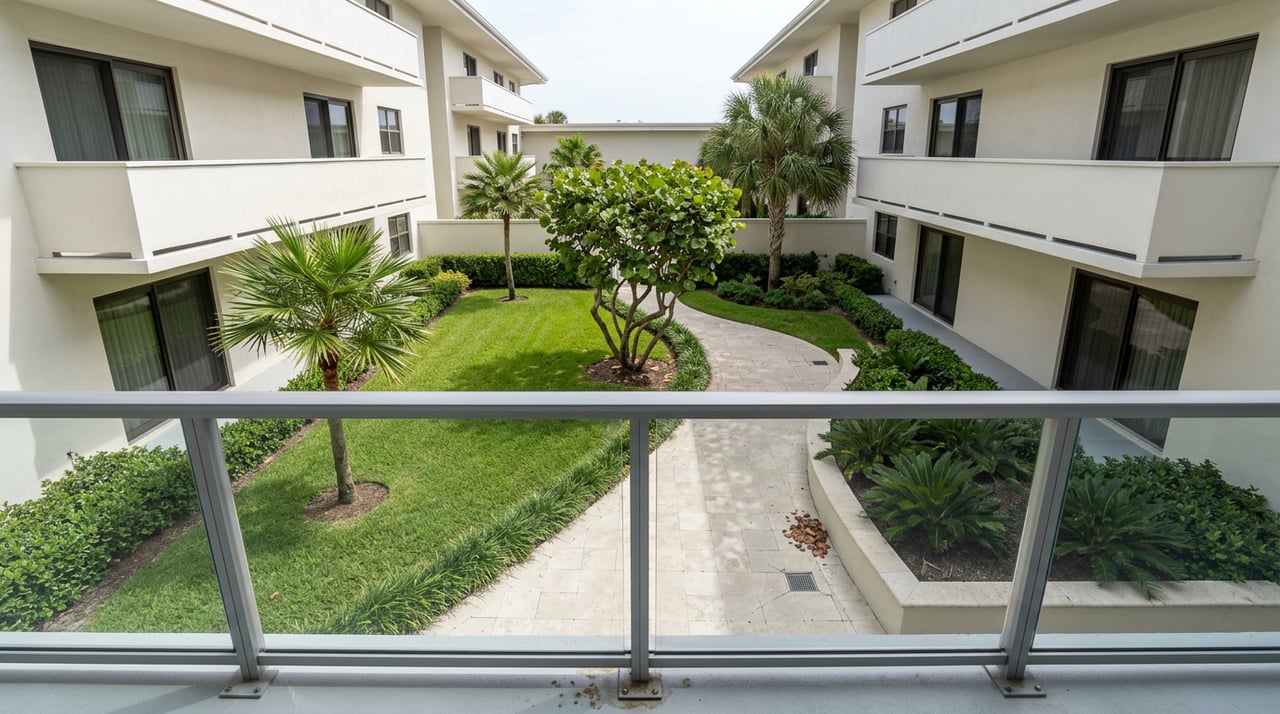
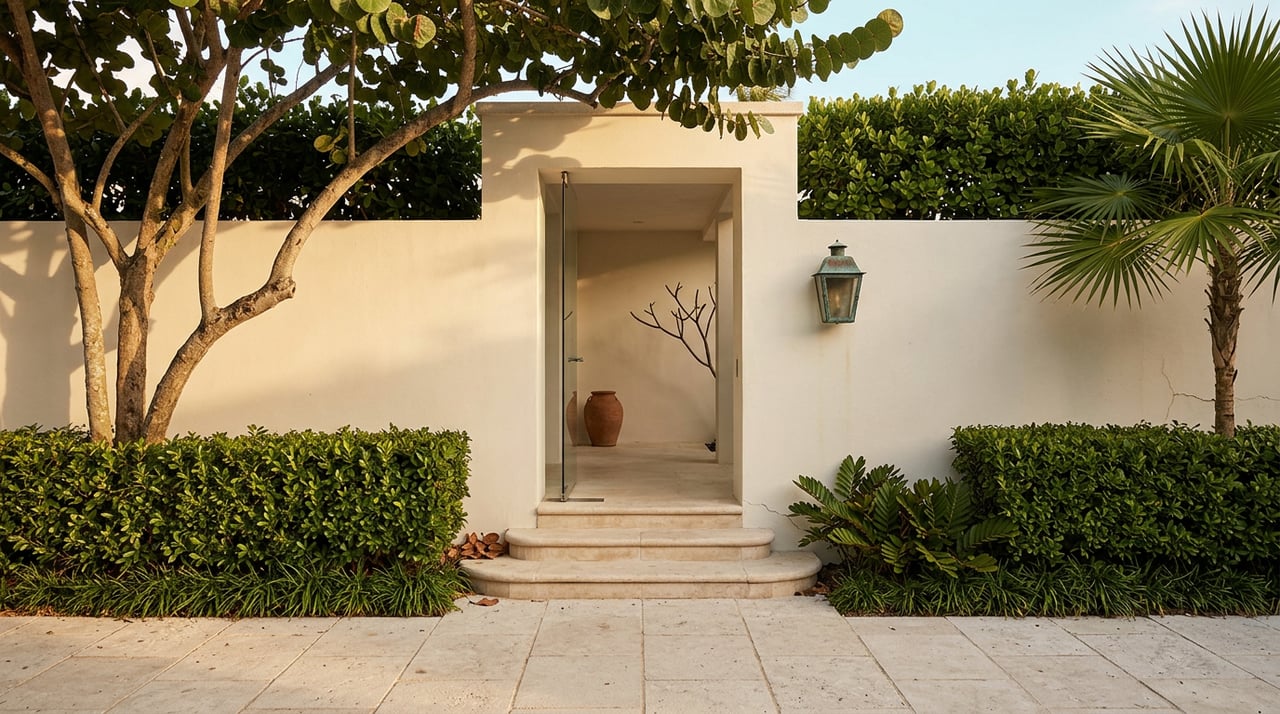
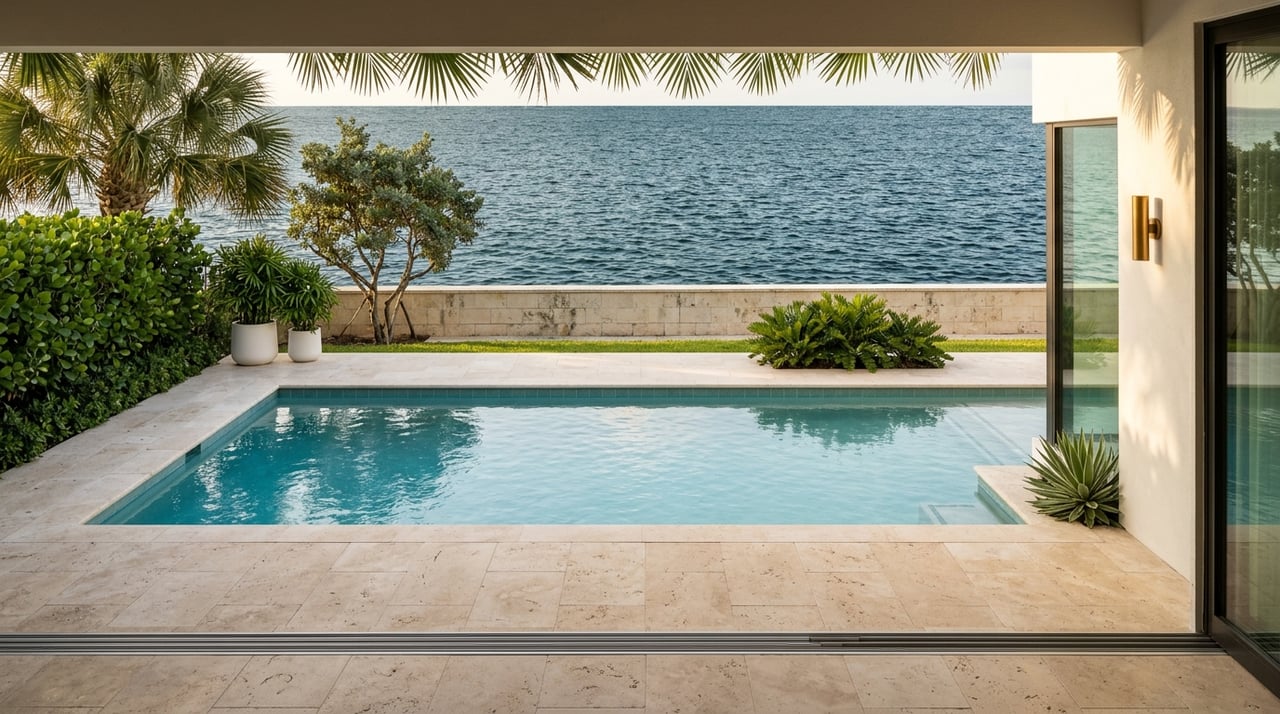
- Villas: Expect more private outdoor space, such as patios, courtyards, or small yards. Private entries reduce corridor traffic and support a quiet, residential feel.
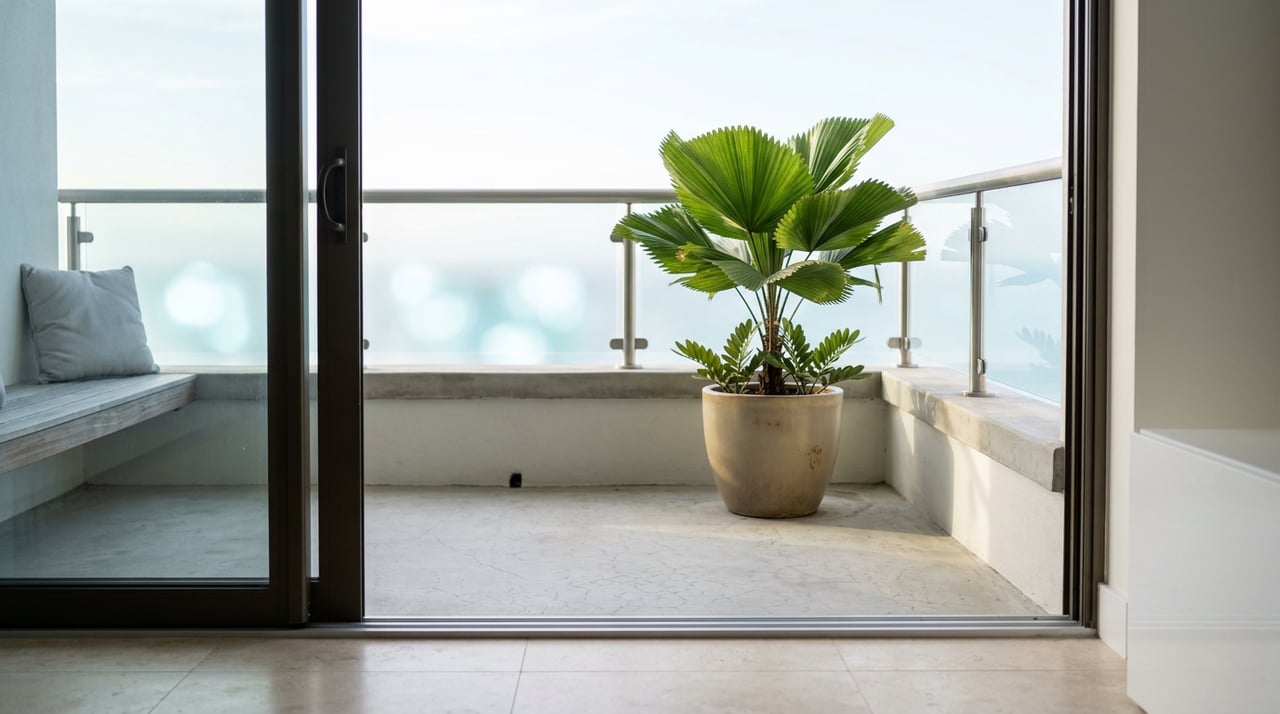
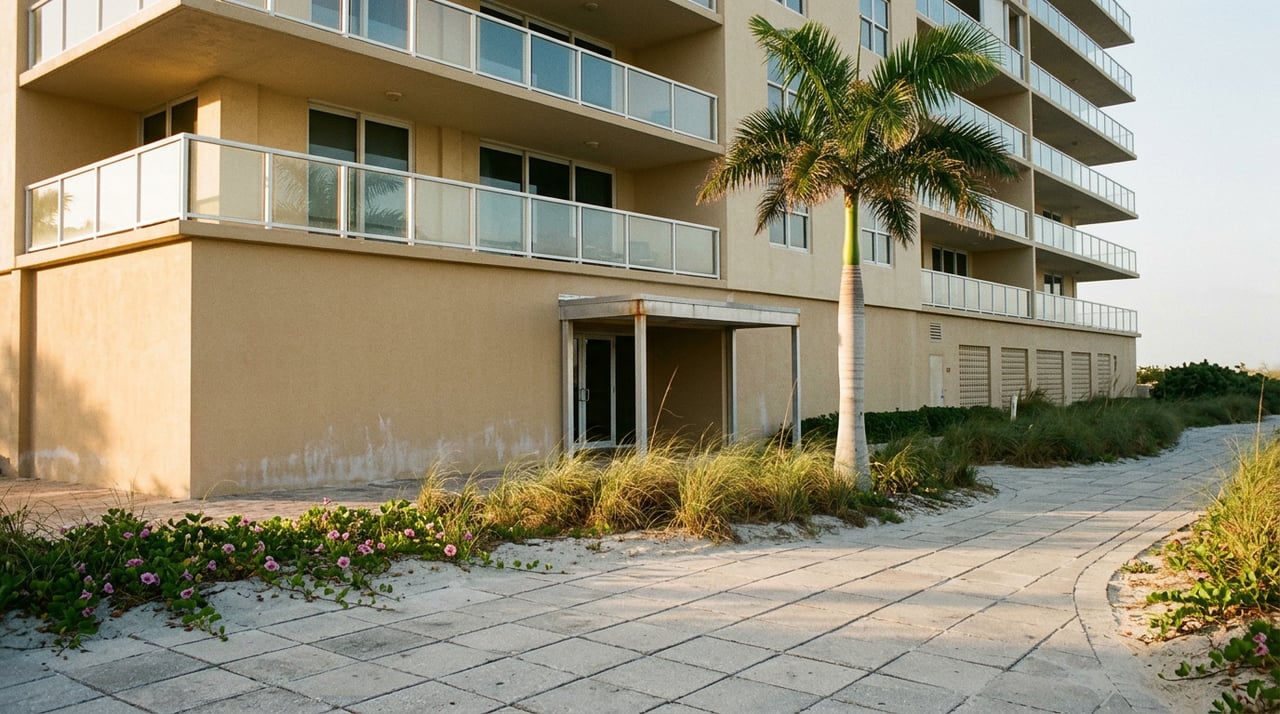
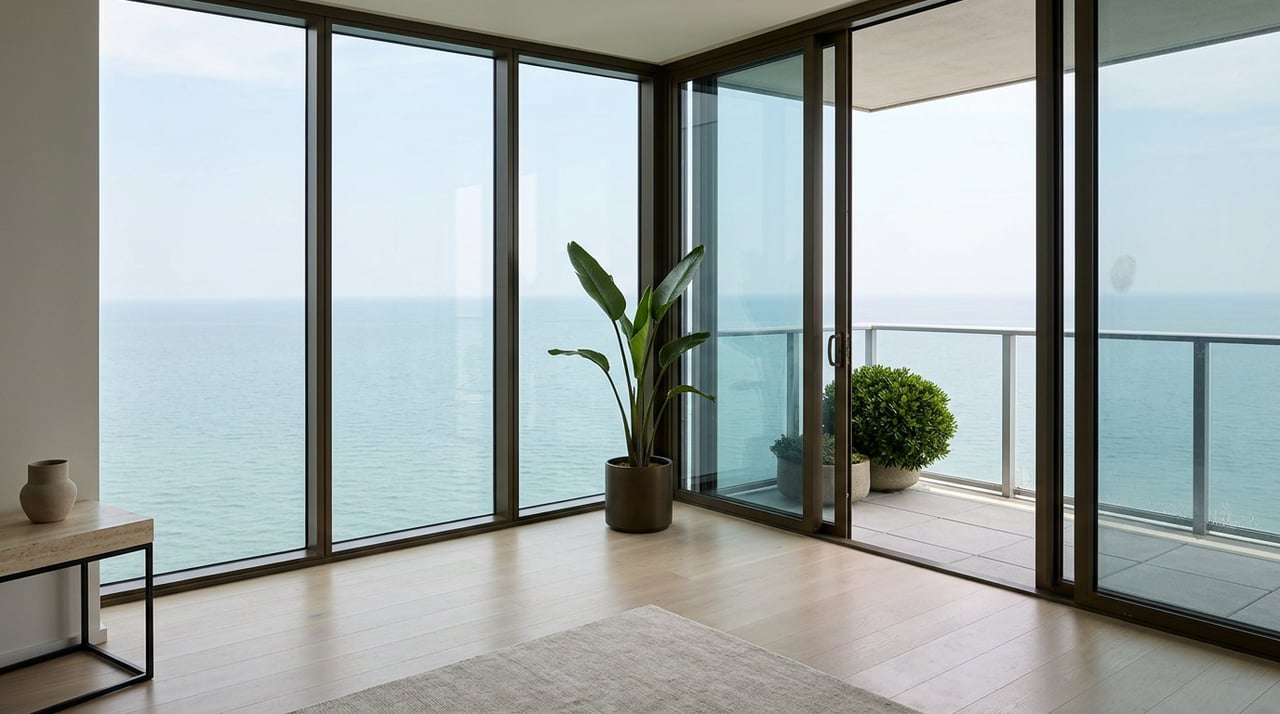
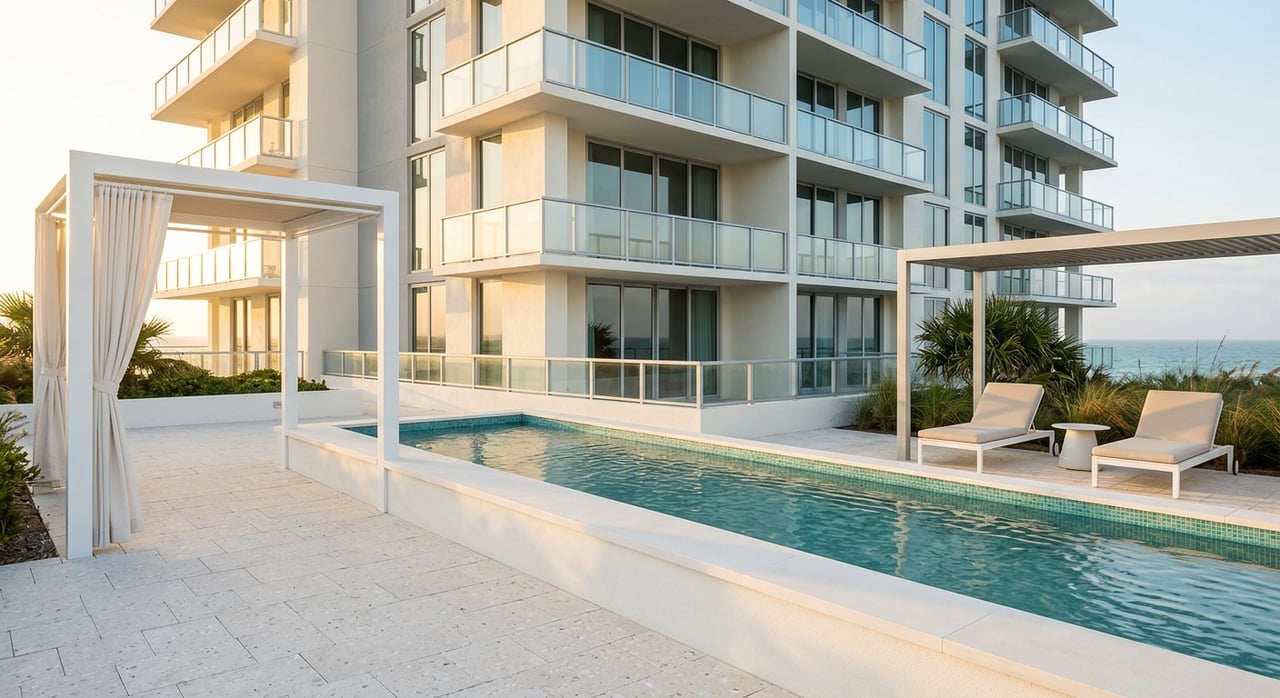
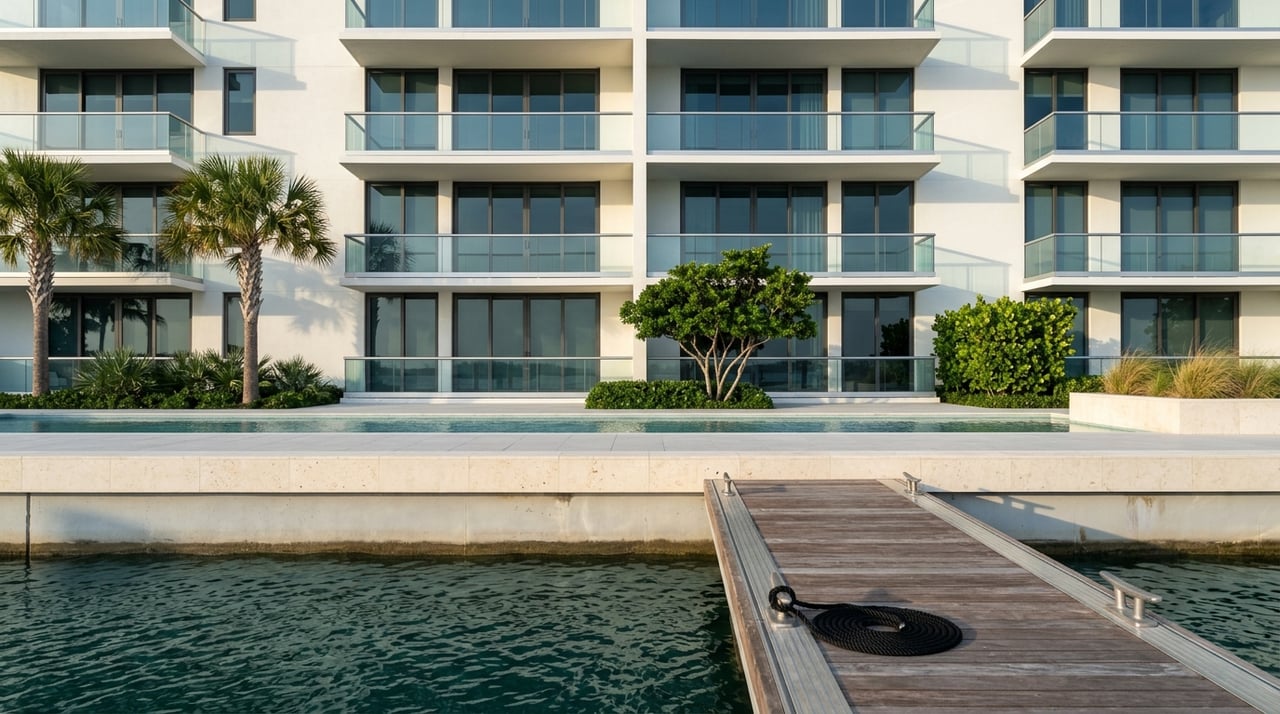
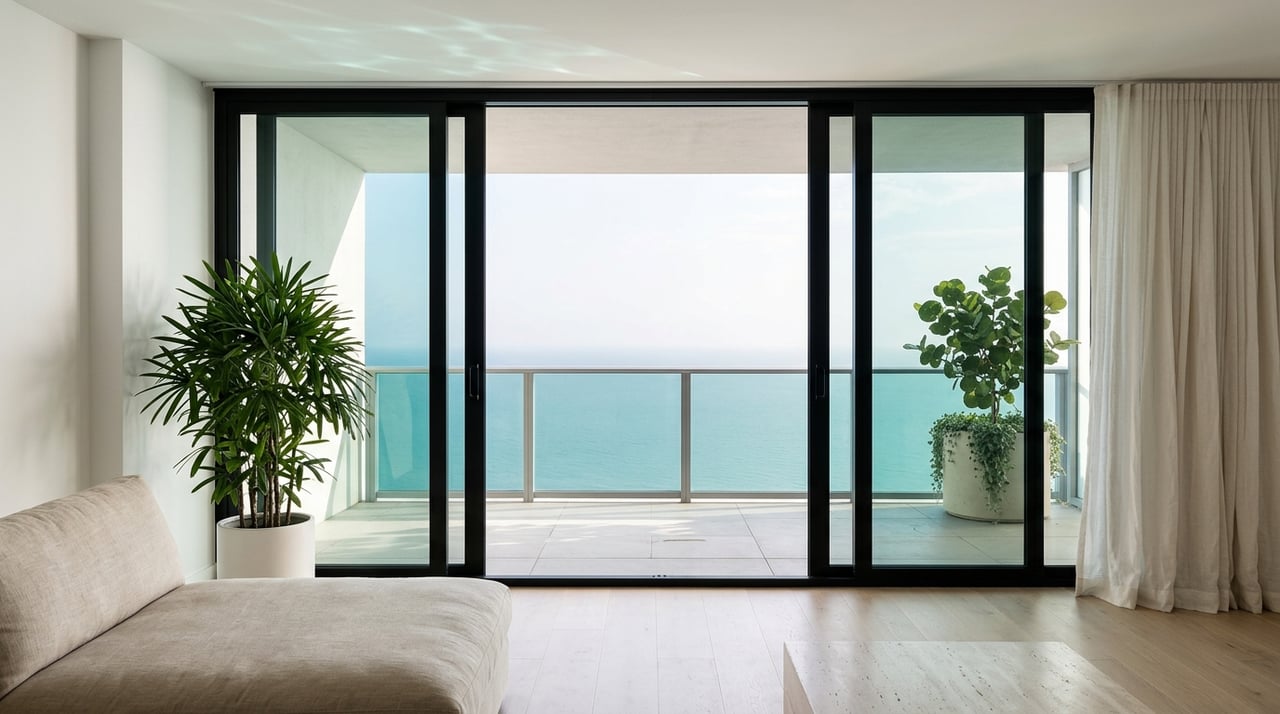
- High-rises: You gain balconies with elevated views but not ground-level yard space. Shared lobbies, elevators, and hallways are part of daily life.
Noise and neighbors
- Villas: Less vertical density can mean fewer immediate neighbors and quieter surroundings. This is appealing if you value privacy and outdoor living.
- High-rises: Shared walls and floors may increase the chance of noise transmission. Soundproofing varies by building and age, so review disclosures and ask about any recent acoustic improvements.
Access, mobility, and pets
- Villas: Ground-level access is convenient for mobility considerations and often suits pet owners. Parking can be close to your front door.
- High-rises: Elevators provide access, which is helpful day to day but may be impacted after storms. Ask about backup power and elevator contingency plans.
Maintenance and who handles what
Villas: fee-simple vs condominium
- Fee-simple villas: You typically maintain the roof, exterior paint, landscaping, driveway, and sometimes hurricane protection. This can be more hands-on or require contractor coordination.
- Condominium villas: The association may cover exterior components and common elements. Confirm exactly what “exterior” includes, such as roofs, windows, or screen enclosures.
High-rises: building-scale systems
- High-rises: Associations usually maintain the building envelope, roof, elevators, garages, and common-area HVAC. Owners contribute to reserves for large capital projects. Be prepared for the possibility of special assessments for items like balcony or garage remediation.
What to review before you commit
For either option, review the most recent reserve study, annual budget, audited financials, meeting minutes, litigation disclosures, and any history of special assessments. These documents reveal short-term costs and potential risk.
Amenities and services
Pelican Bay master amenities
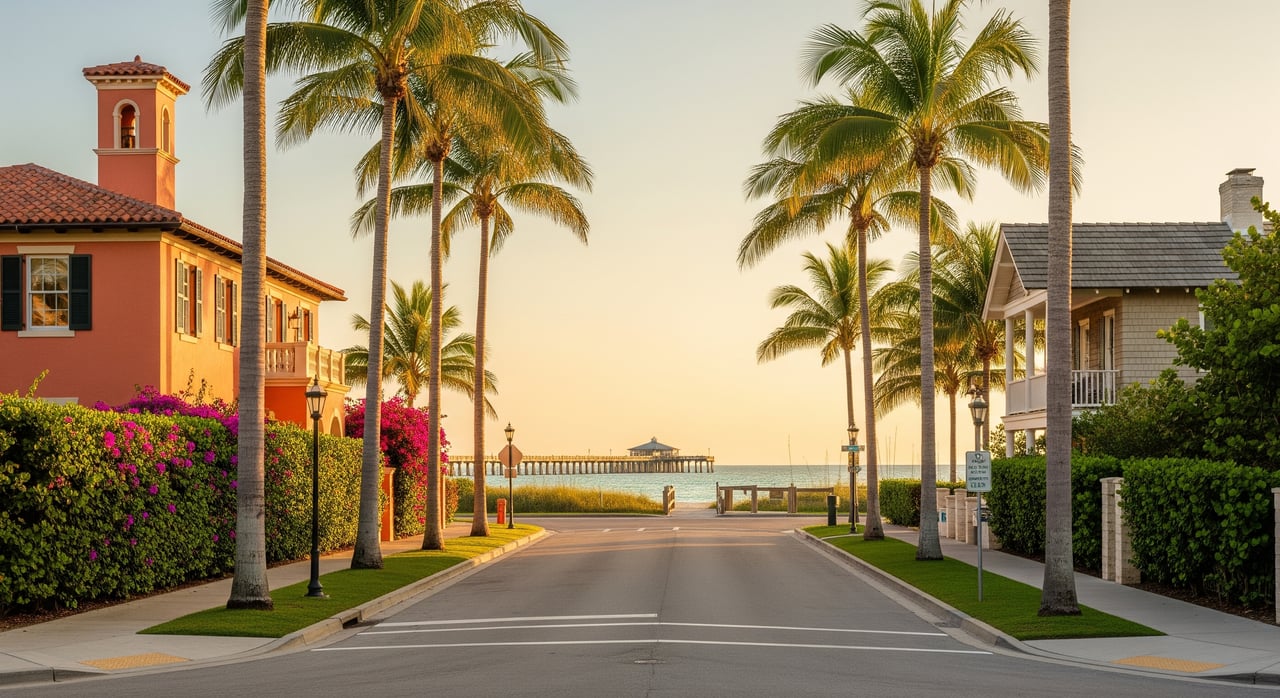
Pelican Bay residents typically enjoy private beach access via boardwalks, community pools, fitness options, tennis and pickleball courts, walking and biking paths, and social spaces. The master association manages many of these experiences, which shape the Pelican Bay lifestyle regardless of property type.
Building-level services in towers
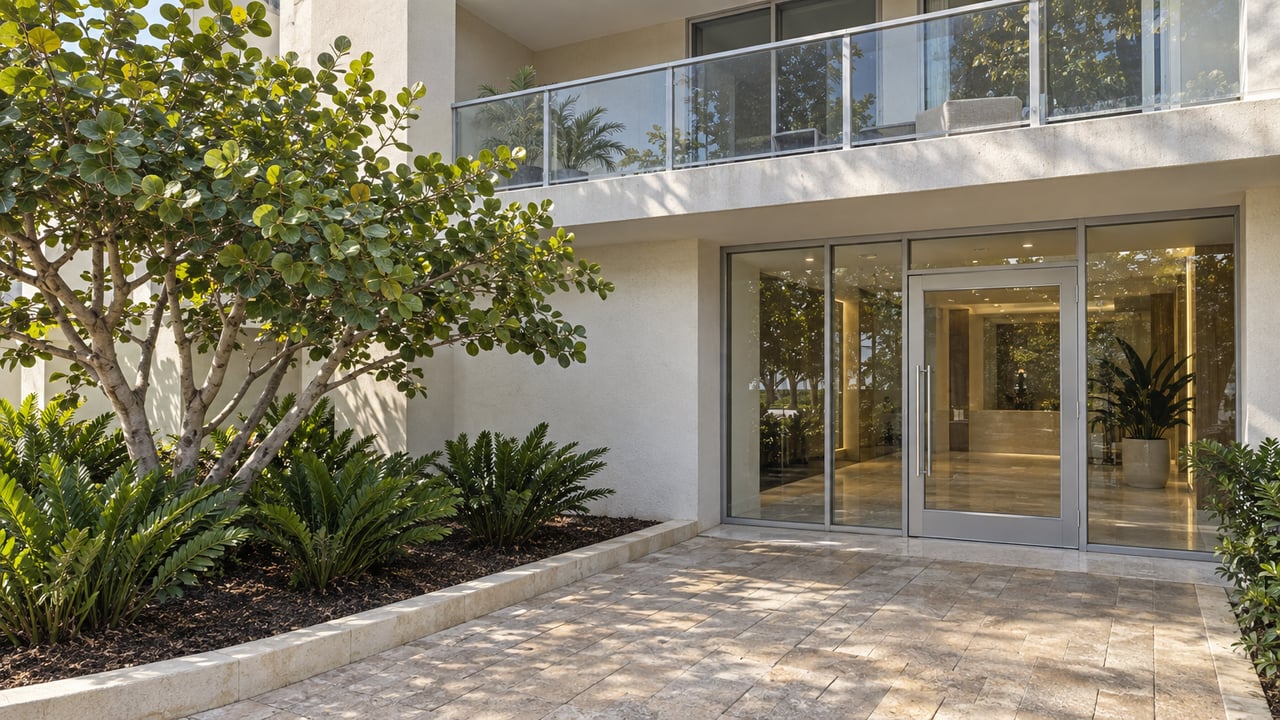
High-rises often add building-level services and amenities. You may see concierge, valet, security, private pools, fitness rooms, and social suites that make vertical living easy. Compare services and staffing in the association documents.
Rules that affect daily living
Guest policies, parking allocations, storage cages, and bike rooms vary. Villas may feel more like single-family living with direct access to paths and parks. Review association rules to confirm how you and your guests can use facilities and where you will store bikes, beach gear, and vehicles.
Views, sun exposure, and storm risk
Views and potential obstructions
- High-rises: Gulf-front or Gulf-view towers can offer sweeping water views and sunsets, which often carry a market premium. Even in towers, views can change if new development rises nearby. Check local zoning and any approved projects during due diligence.
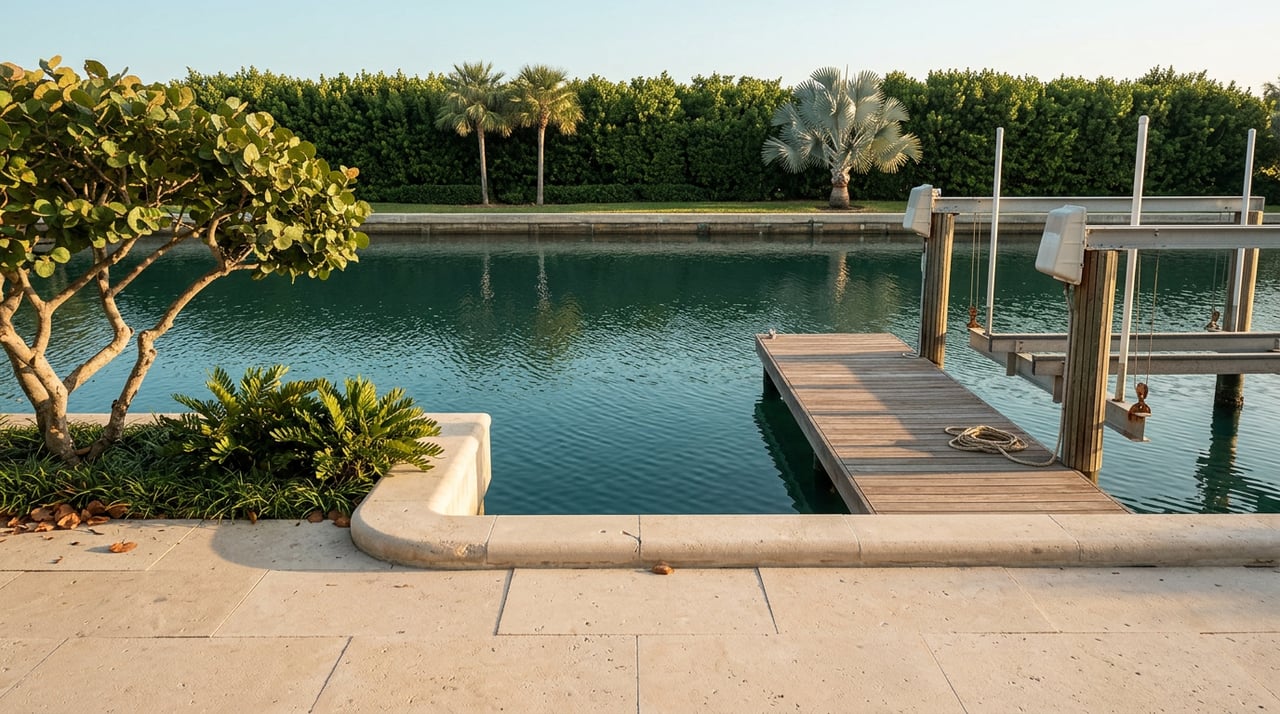
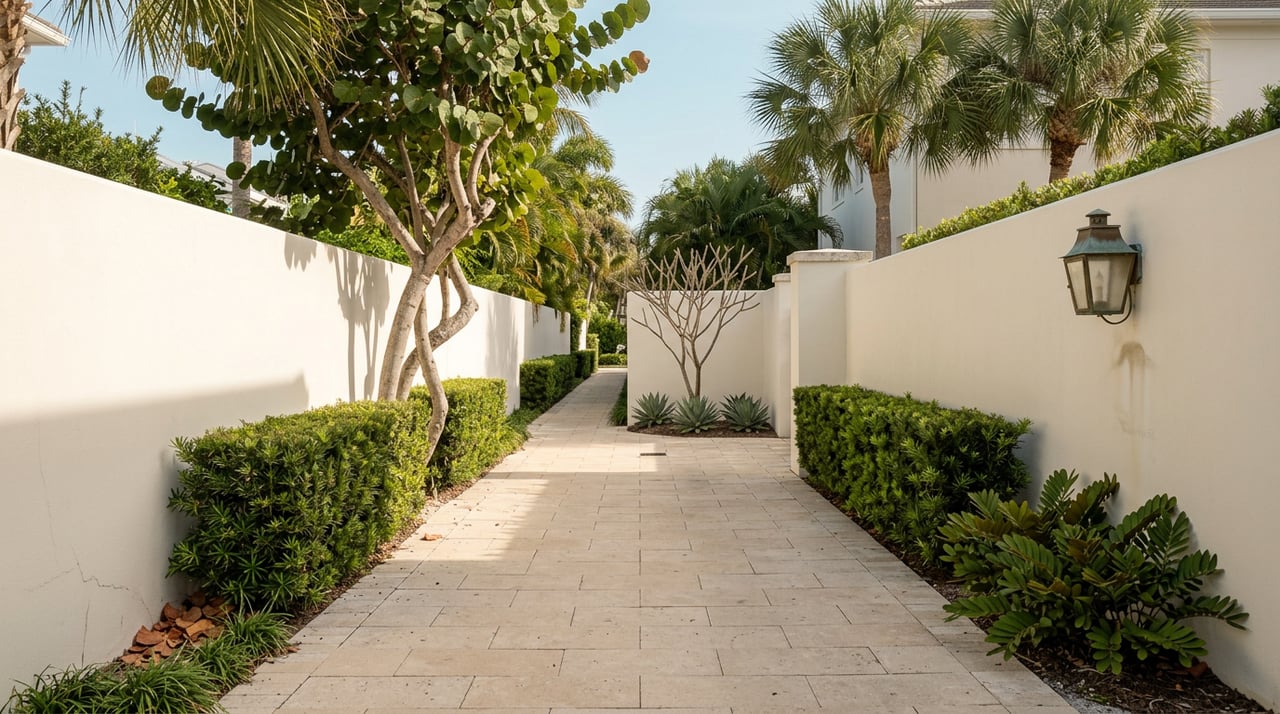
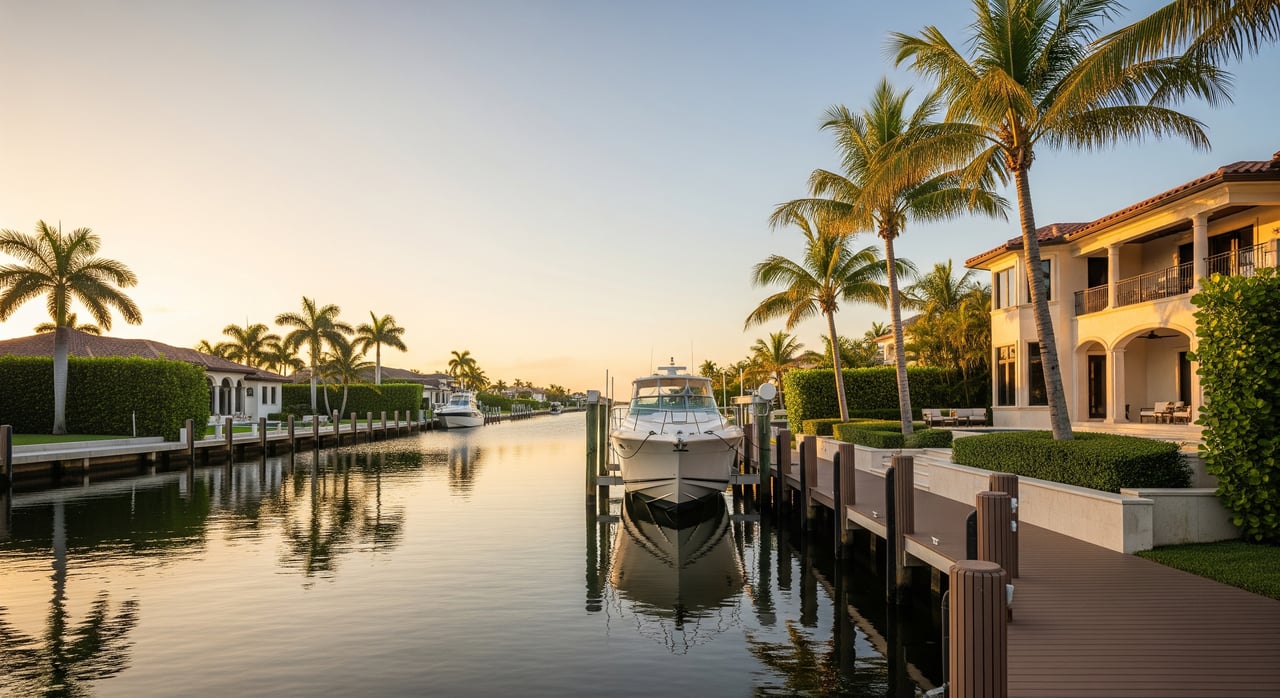
- Villas: Expect intimate, ground-level views, possibly of preserves, gardens, or canals. You trade panoramic outlooks for privacy and seclusion.
Flood and surge exposure
- Villas: Ground-level residences have more exposure to storm surge and flooding. Know your FEMA flood zone, base flood elevation, and elevation certificate details.
- High-rises: Elevated units may sit above surge levels, but ground-floor garages, lobbies, and elevator shafts can be vulnerable. After storms, elevator outages are common, affecting access.
Elevators and backup power
For towers, ask about generator capacity, elevator redundancy, and post-storm protocols. For villas, ask about flood-mitigation improvements, such as drainage, shutters, or impact windows. In both cases, clarify what is owner versus association responsibility.
Insurance and carrying costs
Condominium insurance structure
In most condominiums, the association’s master policy covers the building envelope and common elements. As a unit owner, you secure an HO-6 policy for interior finishes and personal property. You may share in the master deductible after a covered event. Confirm limits and deductibles in the association’s certificates.
Fee-simple and villa policies
If your villa is fee-simple, you will likely need a full homeowner policy, including wind. If the property sits in a flood zone, you also need flood insurance. Obtain quotes early so you understand premium ranges and coverage options.
Monthly fees and special assessments
High-rise associations often have higher monthly fees to support elevators, parking structures, building envelopes, and staffing. Some villas have lower monthly fees but may push more maintenance to individual owners. Compare actual budgets, reserve funding, and any history of assessments before you decide.
Resale patterns and demand
- High-rises: Gulf-view towers frequently command higher prices per square foot, appealing to buyers who prioritize views and services. During market downturns, large capital projects or building-wide repairs can weigh on resale in the short term.
- Villas: Villas often attract full-time residents and buyers who prefer single-level living and private outdoor space. Inventory for detached or low-rise options can be limited, which may support value stability.
- Seasonality: Naples has strong seasonal activity. Listing or buying strategies often consider winter peaks when many buyers are in town.
Rental potential and restrictions
Rental rules are dictated by association documents and sometimes the Pelican Bay master association. In Collier County, associations commonly set minimum rental periods or limit the number of rentals at any one time. If rental income matters to you, verify minimum terms, total rental caps, and registration requirements in writing.
Your due-diligence checklist
Use this list as a starting point for either villas or high-rises:
- Obtain and read: CC&Rs, bylaws, budget, most recent reserve study, audited financials, meeting minutes for the last 12 to 24 months, insurance certificates, rental policies, and any litigation disclosures.
- Request: a statement of special assessments, planned capital projects, and minutes discussing repairs or deferred maintenance.
- Verify building status: year built, major renovations completed, and results of any required structural inspections.
- Confirm flood and storm exposure: FEMA flood zone, base flood elevation, past flood claims, and preliminary wind and flood insurance quotes.
- Clarify ownership and responsibility: what the association insures versus what the owner insures, including roofs, windows, balconies, and limited common elements.
- Ask about tower systems: elevator contingency plans, backup power, and post-storm access.
- Review practical rules: parking, storage, pet rules, and guest policies.
- Consult local resources: Pelican Bay’s master association, Collier County planning and floodplain offices, a Florida condo attorney for complex questions, and a local insurance broker for accurate quotes.
How to decide: villas vs high-rises
Choose based on your daily life, risk tolerance, and how hands-on you want to be with maintenance.
You may prefer a villa if you want:
- Private outdoor space and a residential feel.
- Ground-level access for mobility or pets.
- More control over your property if fee-simple, acknowledging added maintenance.
You may prefer a high-rise if you want:
- Panoramic Gulf or bay views and sunsets.
- On-site services like concierge and security.
- Association-managed building systems, understanding the tradeoff of higher fees and potential assessments.
Pelican Bay offers both experiences within one master-planned coastal community. The right answer for you comes down to lifestyle fit, budget predictability, and comfort with flood and storm dynamics. A careful review of association documents, insurance, and inspection status will give you confidence before you write an offer.
Ready to compare specific properties, documents, and long-term value drivers side by side? Schedule a confidential consultation with James Bates to review options in Pelican Bay and adjacent coastal neighborhoods.
FAQs
Which holds value better in Pelican Bay: villas or high-rises?
- There is no universal answer. Gulf-view high-rises often command premium pricing per square foot, while villas can be broadly marketable to full-time residents. Building condition, association finances, and market cycle all matter.
Are high-rises safer than villas during hurricanes in North Naples?
- Elevated units avoid some surge risk, but towers have vulnerable ground-floor systems and rely on elevators that may go offline after storms. Ground-level villas face higher surge and flood exposure but can be easier to access and repair.
Do Pelican Bay high-rises usually have higher HOA fees than villas?
- Typically yes. Elevators, parking garages, and large-scale envelope projects increase operating costs. Always compare actual budgets and reserve studies to confirm.
What is the biggest lifestyle difference between a villa and a tower?
- Villas emphasize private outdoor living and street-level access. High-rises prioritize views, services, and vertical living with communal amenities.
What documents should I review before buying in Pelican Bay?
- Review CC&Rs, bylaws, budgets, reserve studies, audited financials, meeting minutes, insurance certificates, rental policies, and any litigation or special assessment disclosures.