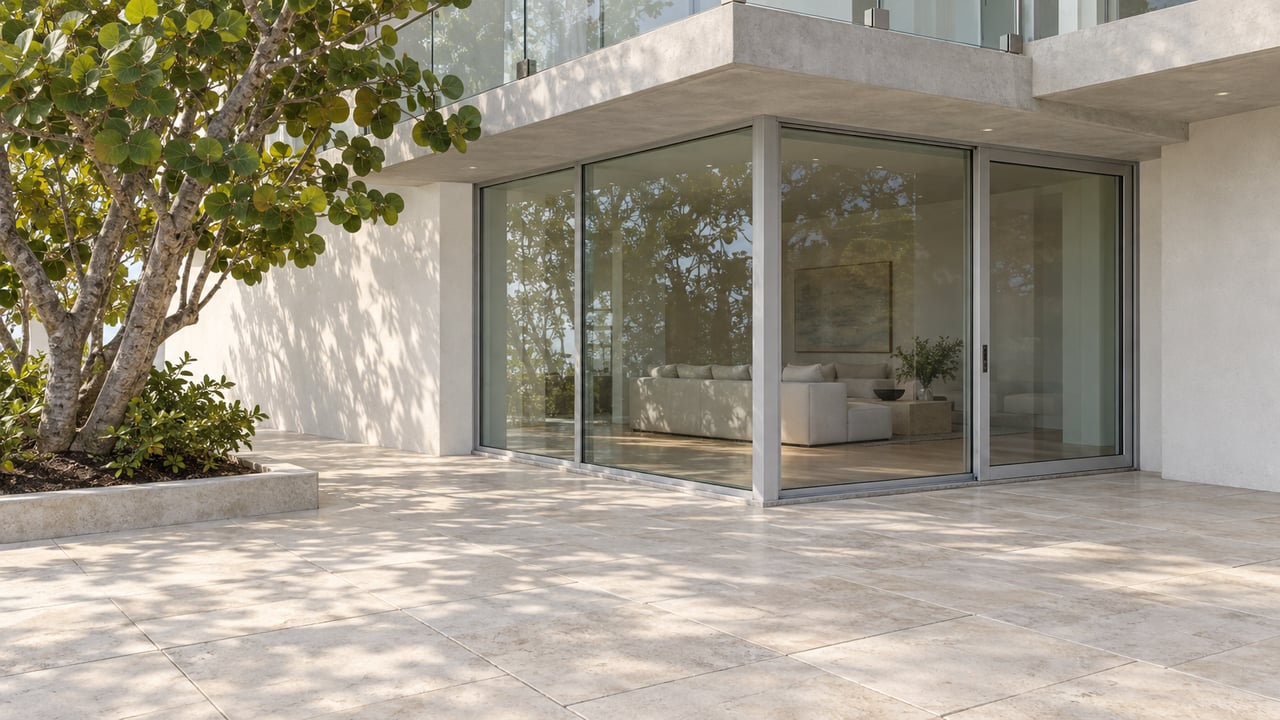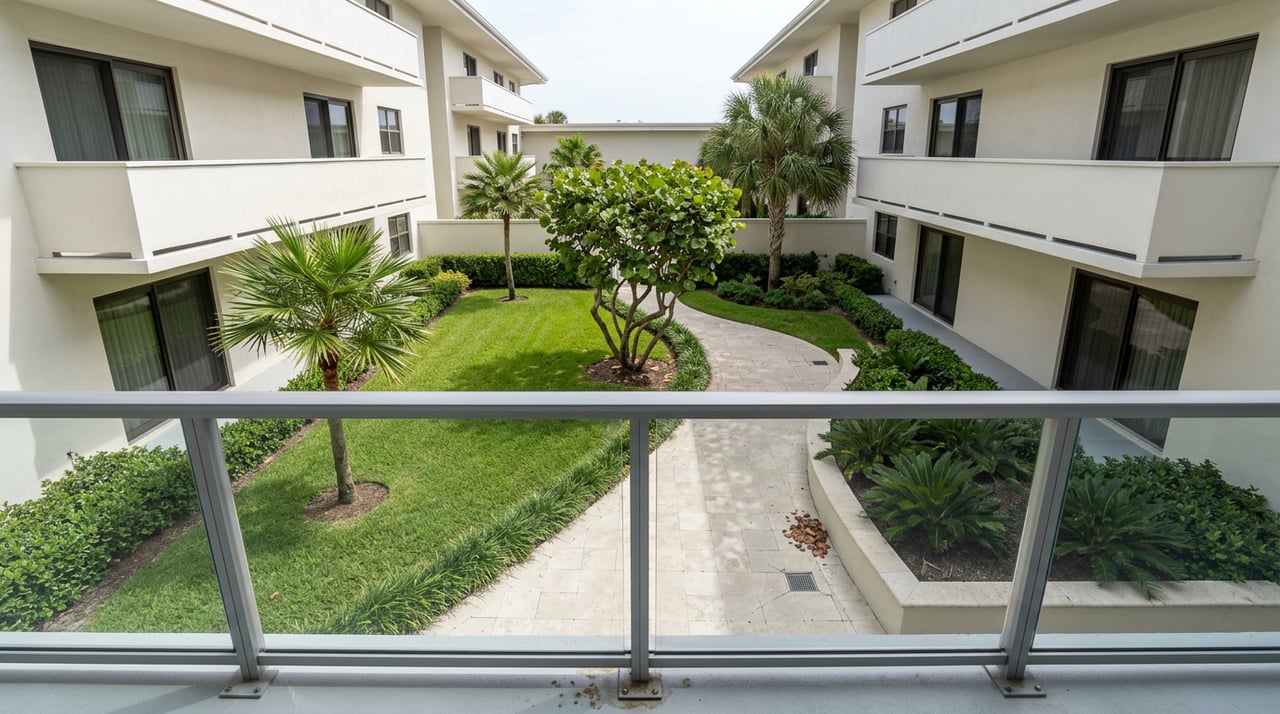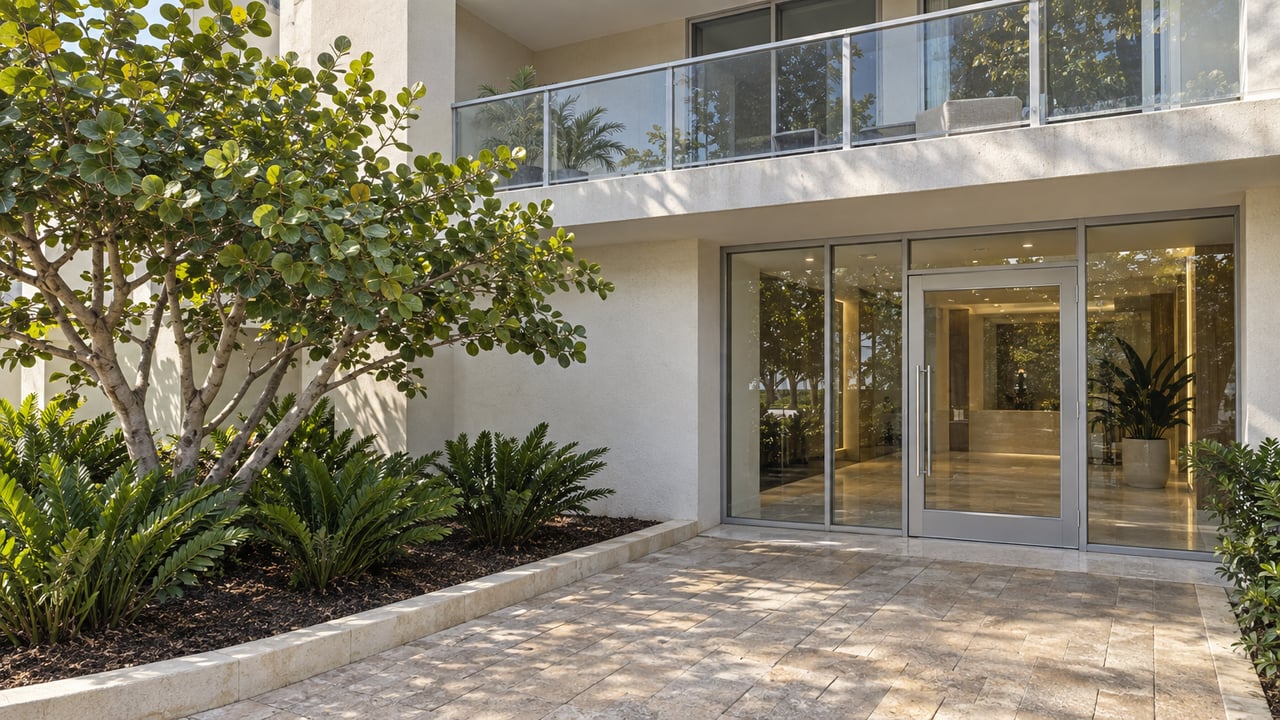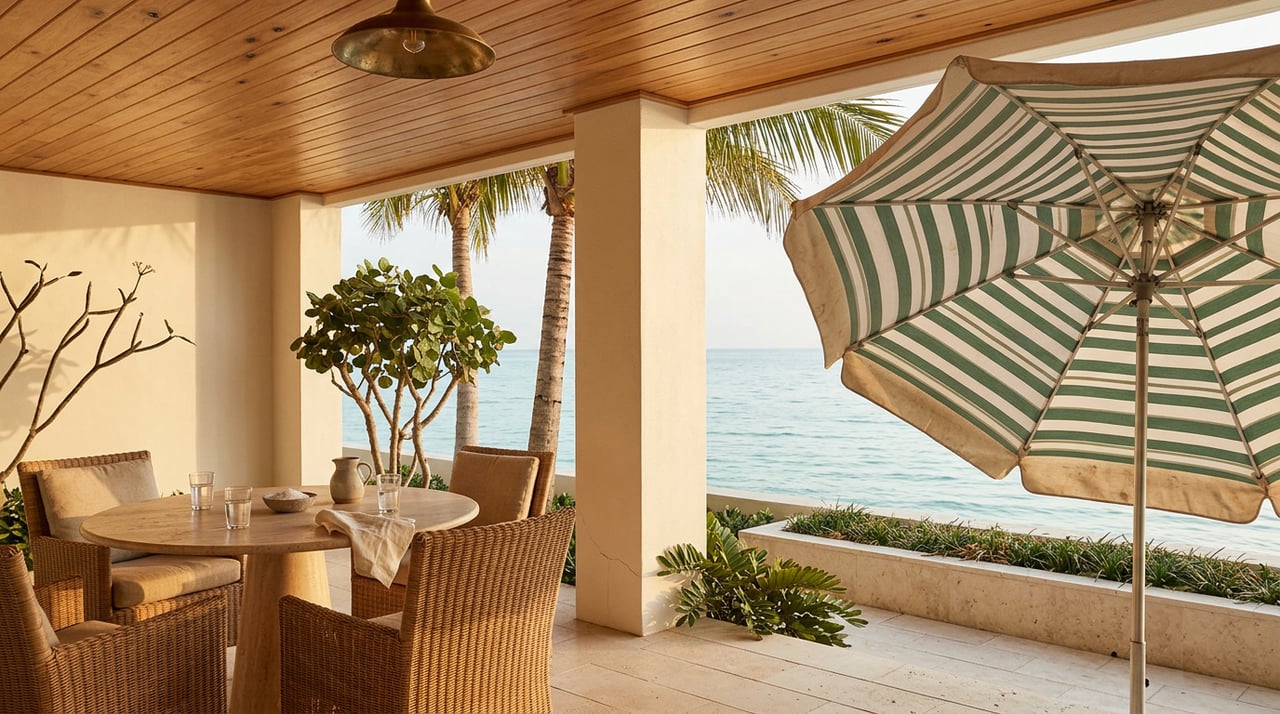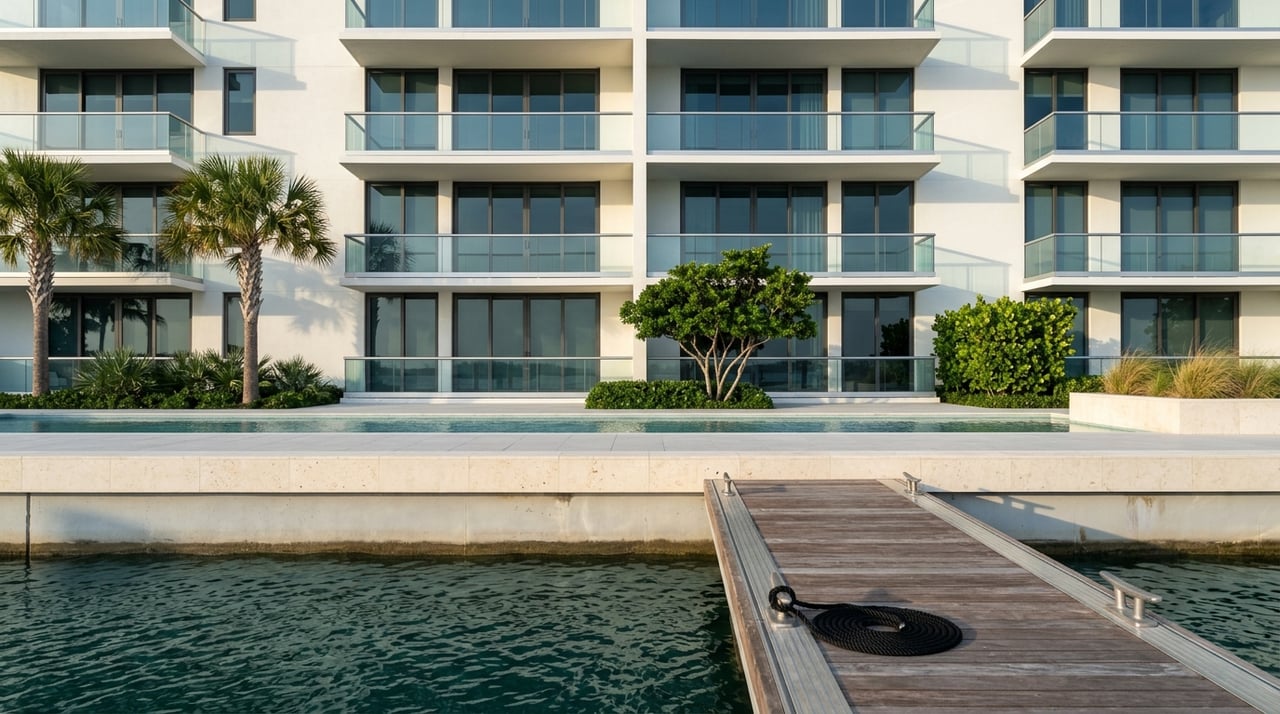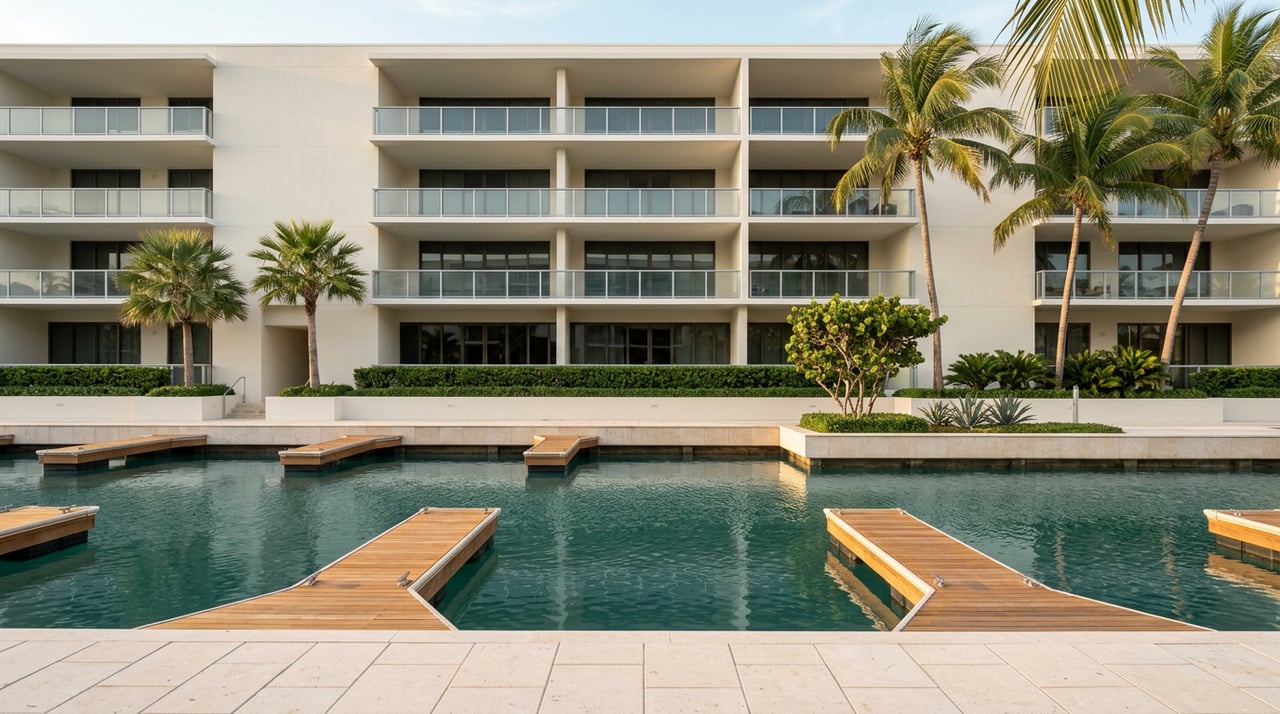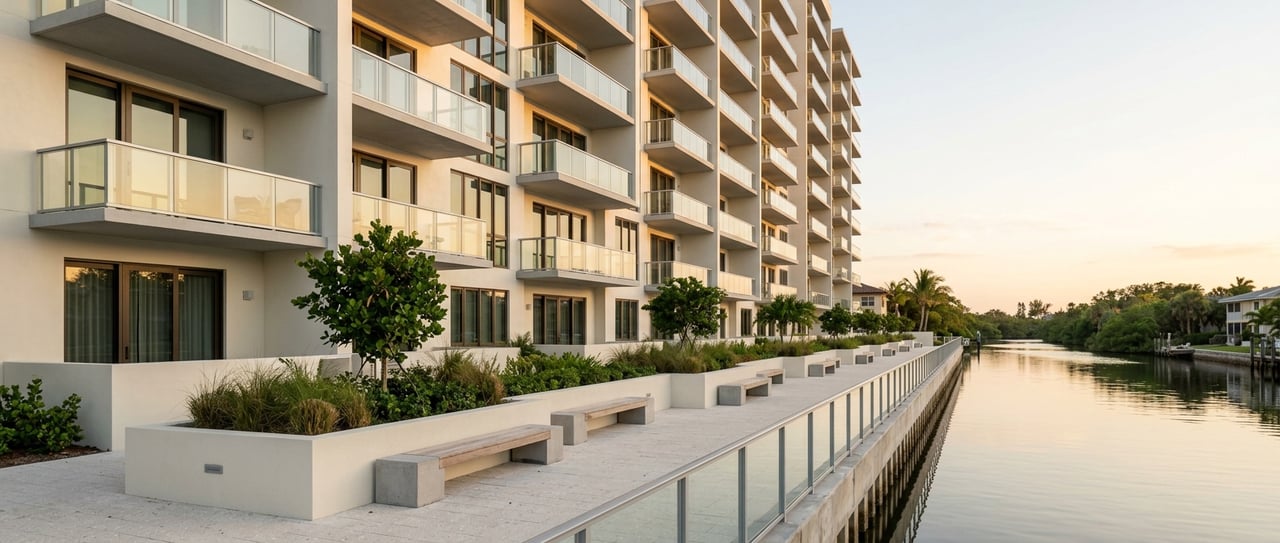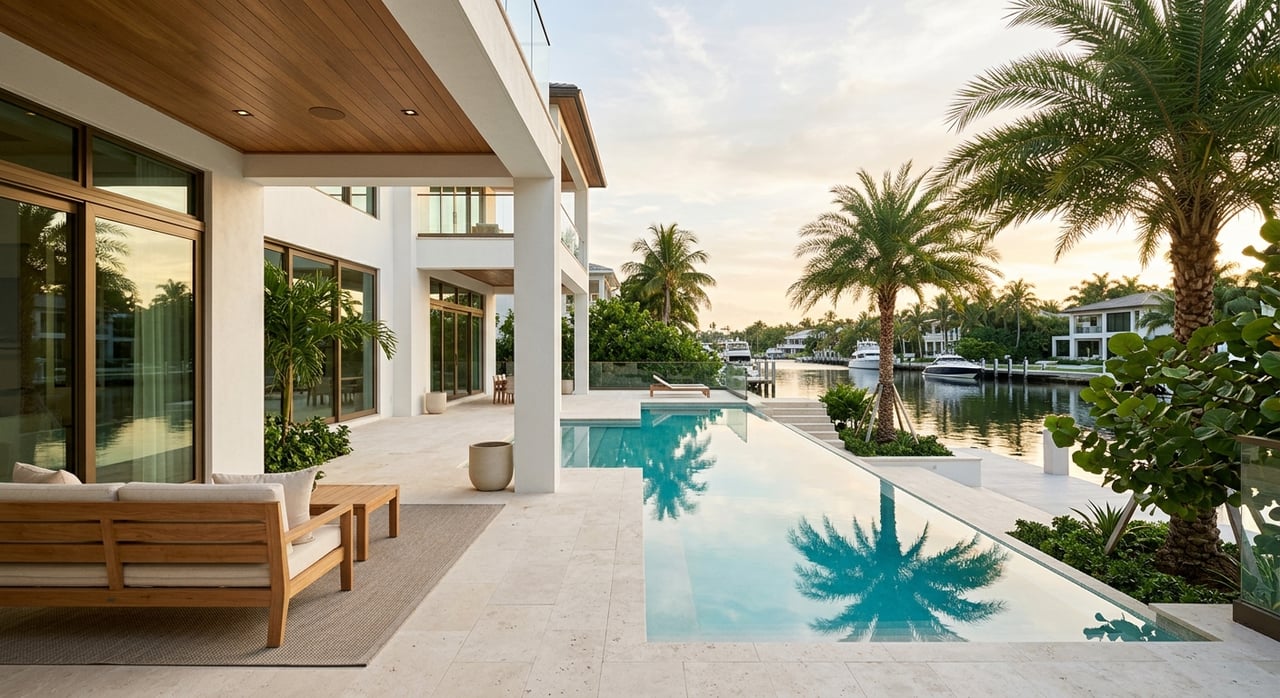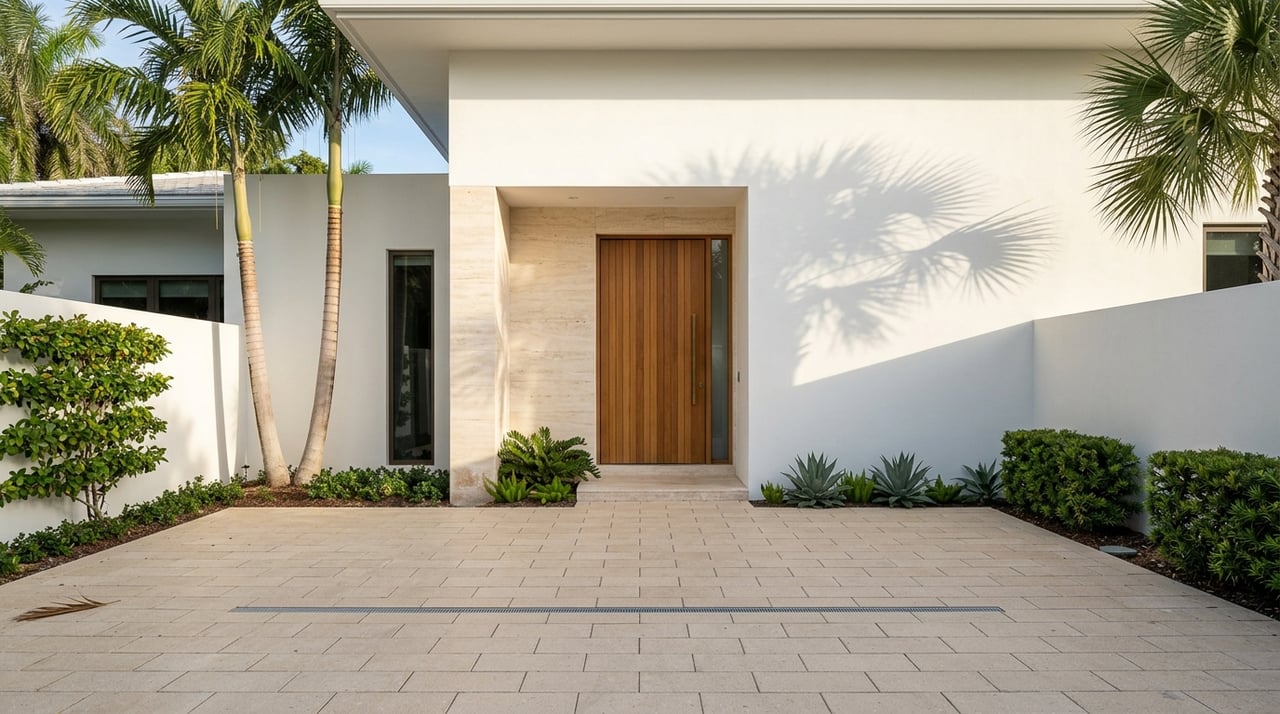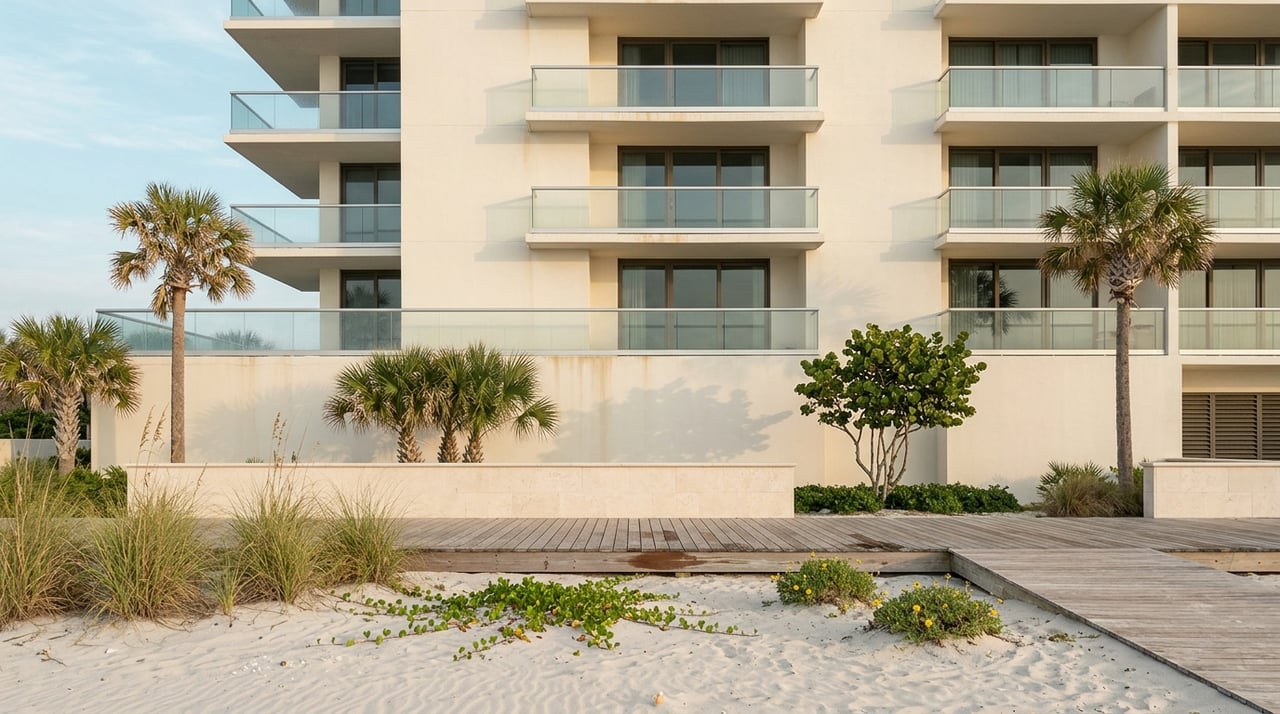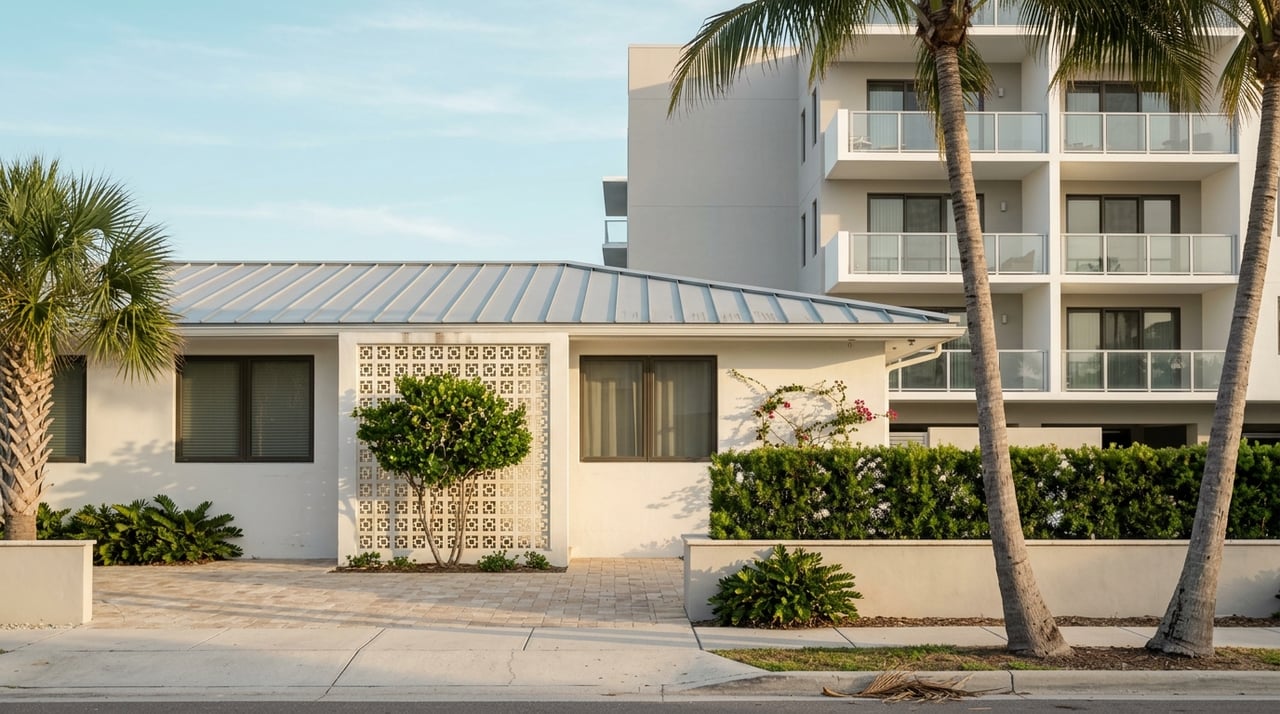
If you are considering a canal-front home in Aqualane Shores, the way your lot meets the sun and wind will shape how you live outdoors every day. You want warmth on the pool in winter, shade when afternoons run hot, and privacy from passing boats and nearby terraces. A few orientation choices can deliver those results without guesswork. In this guide, you will learn how sun paths, sea breezes, and canal sightlines affect comfort and privacy, plus the checks to make before you design. Let’s dive in.
Why orientation matters in Aqualane Shores
Aqualane Shores sits near 26.14° north latitude, so the sun stays high compared with many U.S. markets. At solar noon, the sun reaches about 87° in summer, around 64° at the equinoxes, and about 40° in winter. Winters are shorter days, but the mid-day sun is still strong. That means your design needs to handle both high summer sun and lower morning and evening light.
Sun rises from the east and sets in the west, shifting between ENE and WNW in summer and ESE and WSW in winter. South to southwest exposures receive the most consistent light across the year. East-facing spaces shine in the morning, while west-facing spaces collect strong late-day sun and heat. Align your pool and terraces to the times you use them most.
Sun angles and pool use
South and southwest exposure
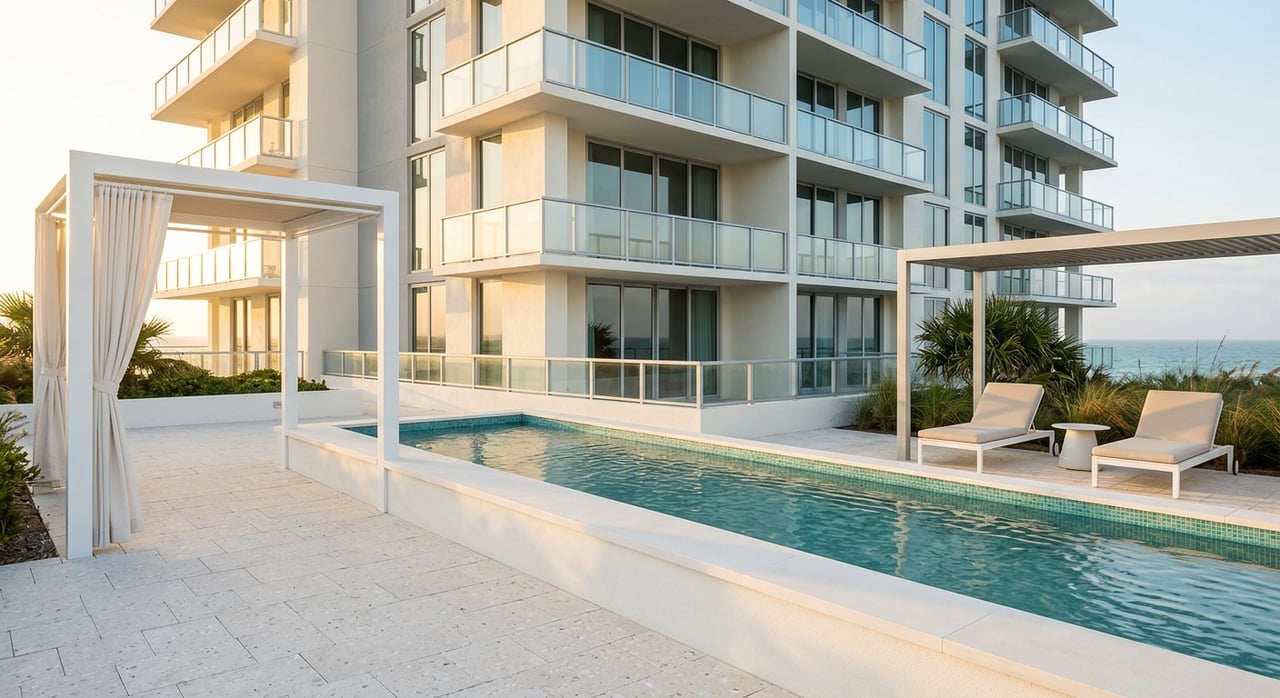
If you want reliable warmth on the pool, a south or southwest orientation is your friend. This exposure captures long mid-day sun windows across seasons, which supports solar gain and reduces supplemental heating. Plan for shading to handle summer highs, since the sun sits almost overhead then. Horizontal elements like deep overhangs or pergolas help block the high sun.
East and west exposure
East-facing pools and breakfast patios feel bright and welcoming early, then cool later in the day. This is ideal if you prefer morning swims and want shade by afternoon. West-facing pools and terraces reward you with late-day light and sunset color, but heat and glare can spike. Add planters, vertical screens, or operable shades to temper the low-angle evening sun.
North exposure
North-facing outdoor spaces stay cooler and receive less direct sun. This can be desirable if you entertain in the afternoon and want long shade windows. Pair this orientation with lighter pool finishes and thoughtful lighting so the space still feels inviting. Check that the home’s massing does not cast unwanted shade on the pool during prime-use hours.
Wind, canals, and comfort
Afternoon sea breeze and evaporation
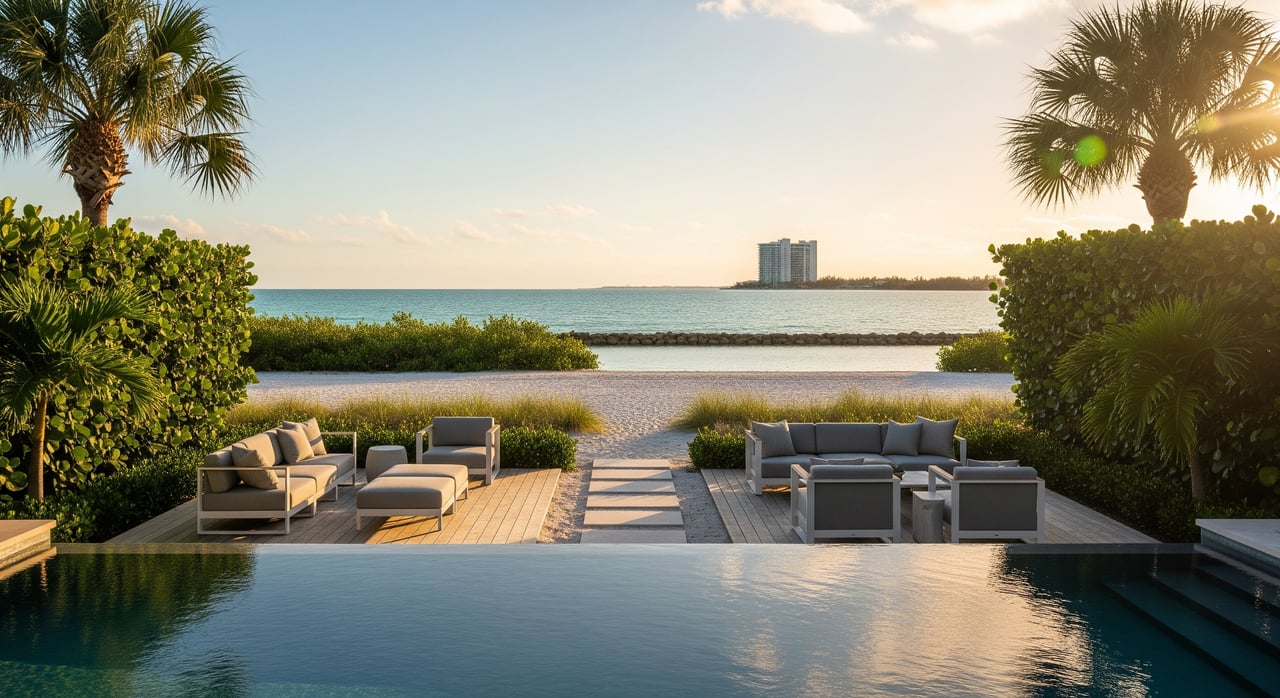
Along Naples’ Gulf frontage, a daytime sea breeze often arrives from the west or southwest, especially in the afternoon. This cools surfaces but increases evaporation from the pool and can blow spray across terraces and docks. Place windbreaks upwind of seating areas, and orient furnishings parallel to the breeze. Reducing wind over the pool cuts evaporation and chemical loss.
Canal activity and privacy
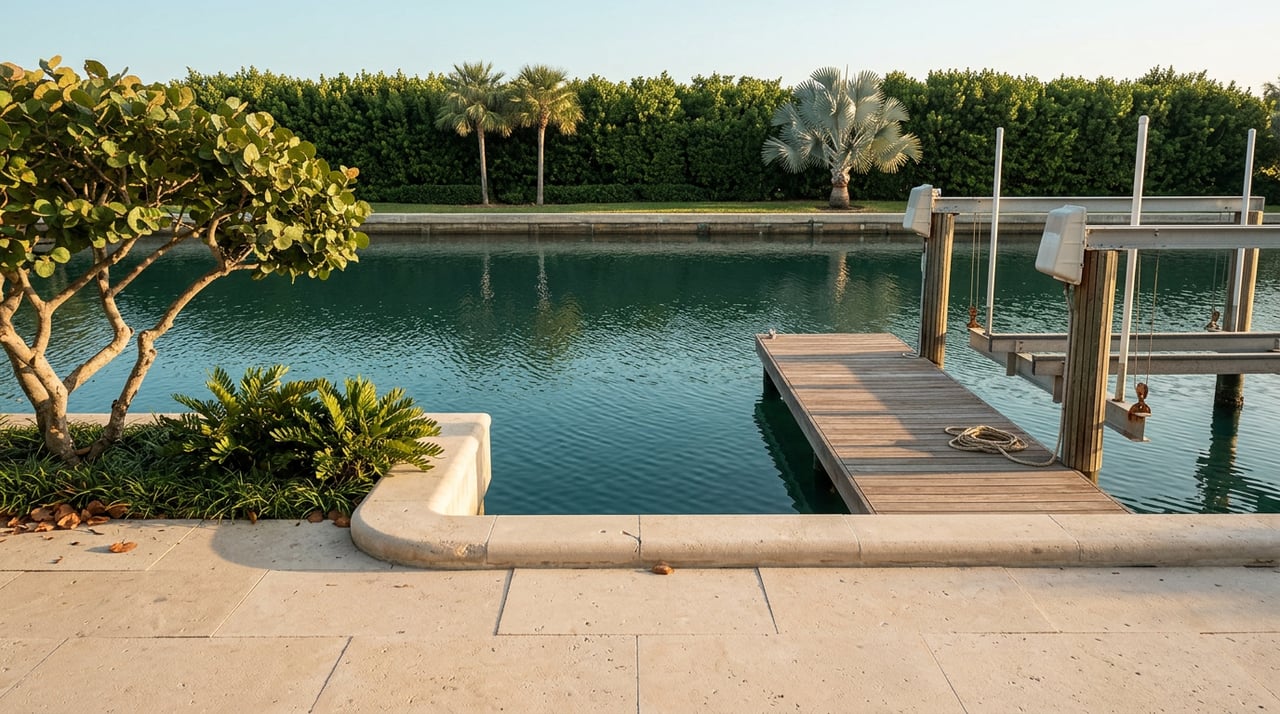
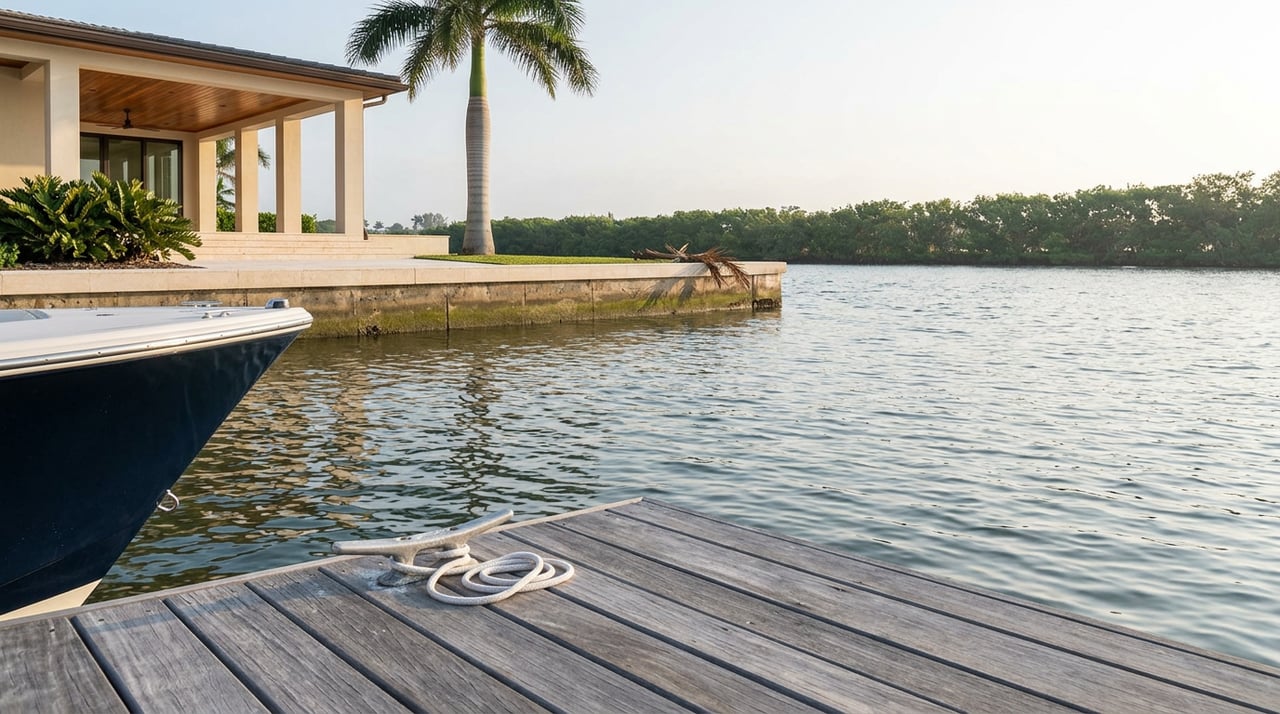
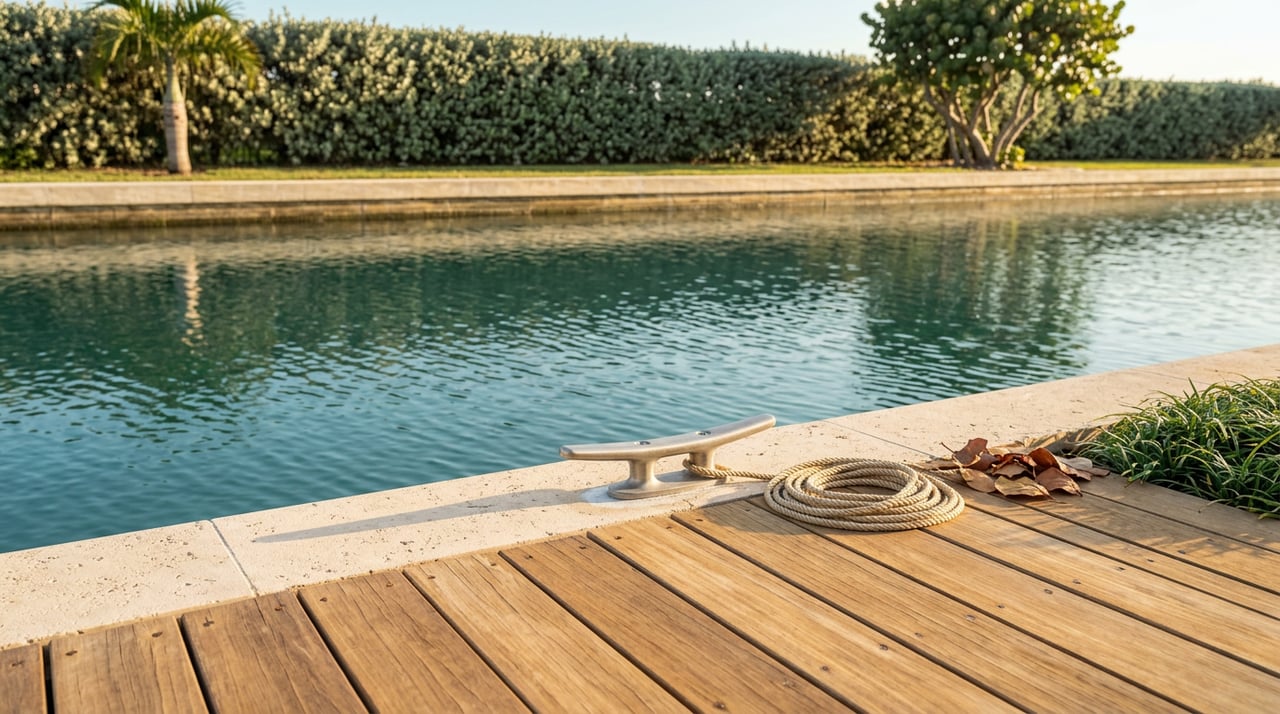
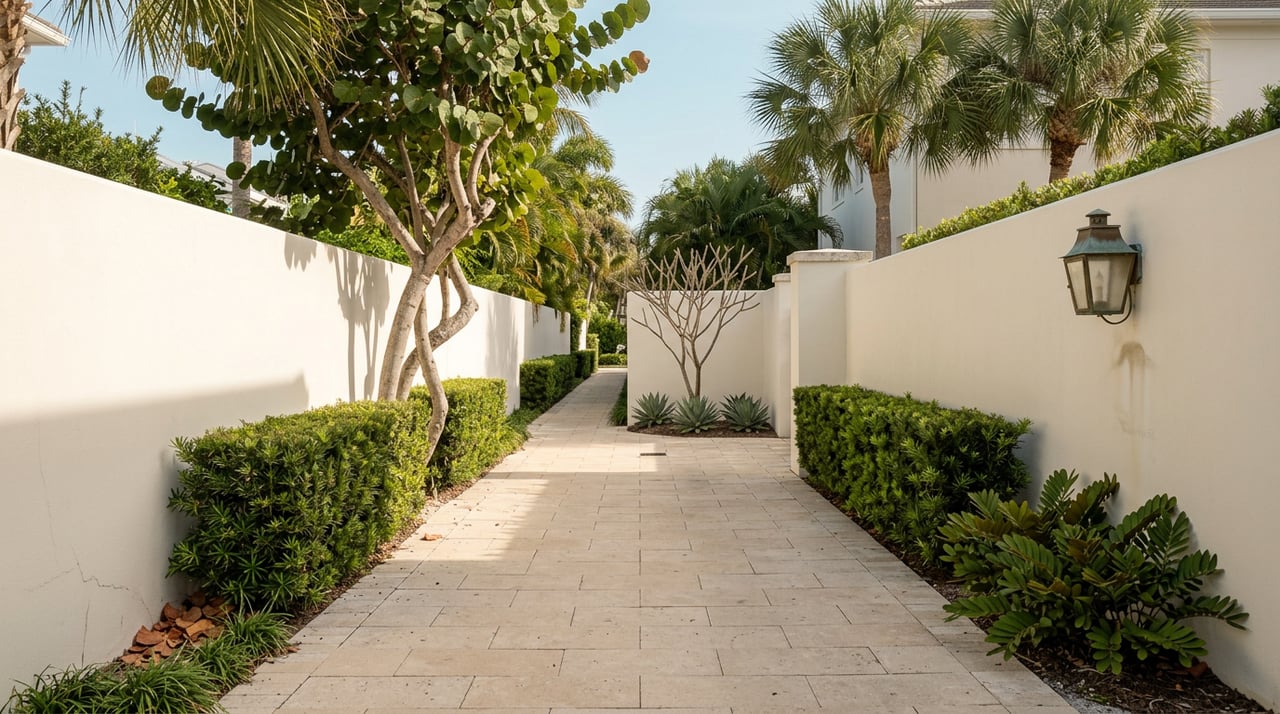
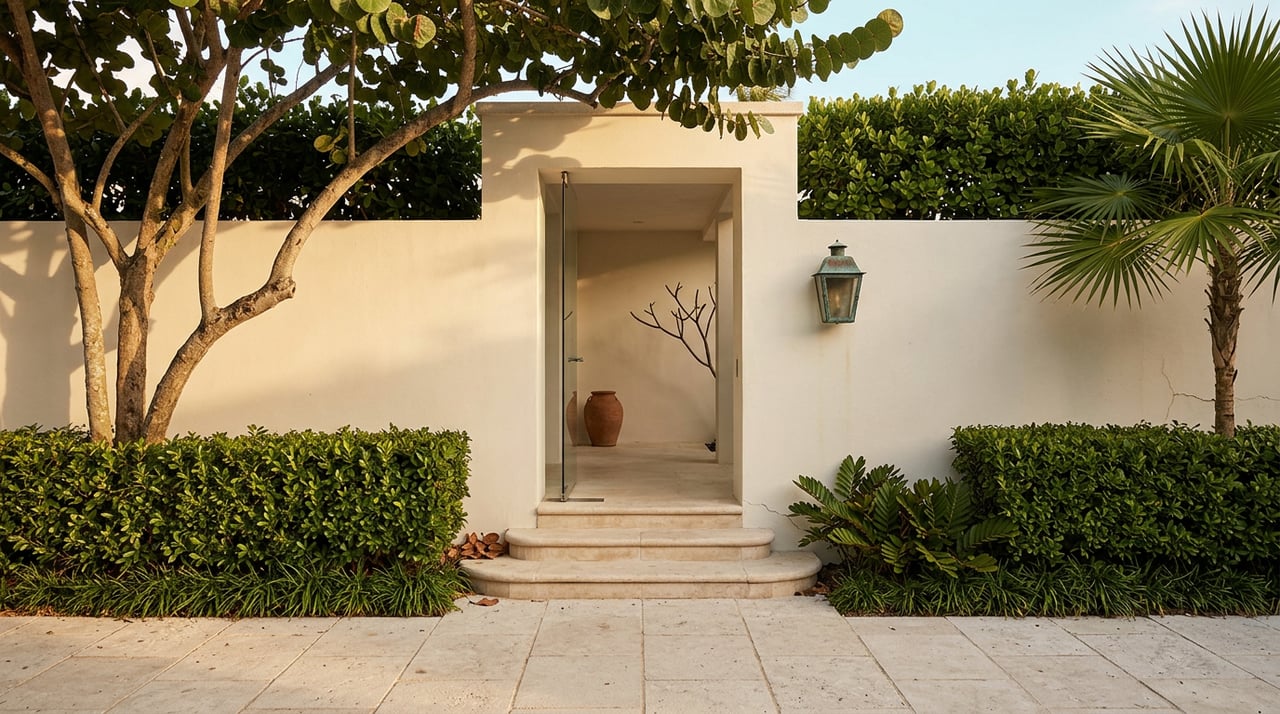
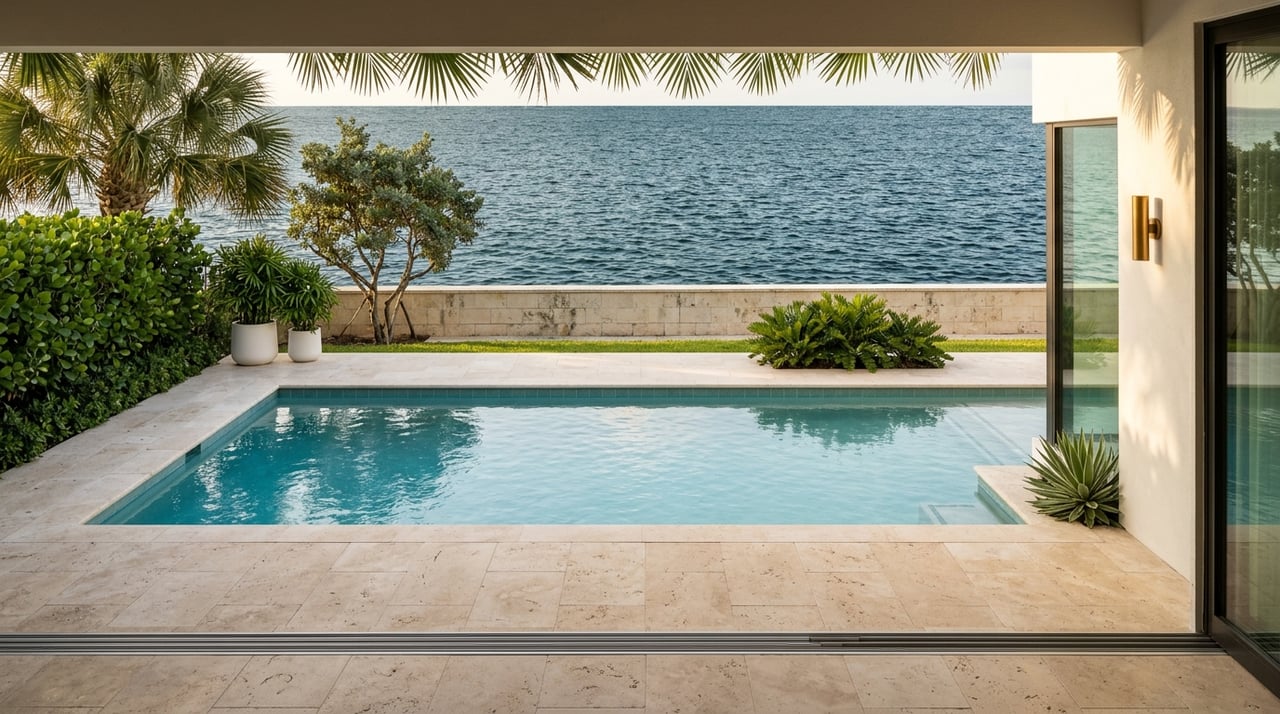
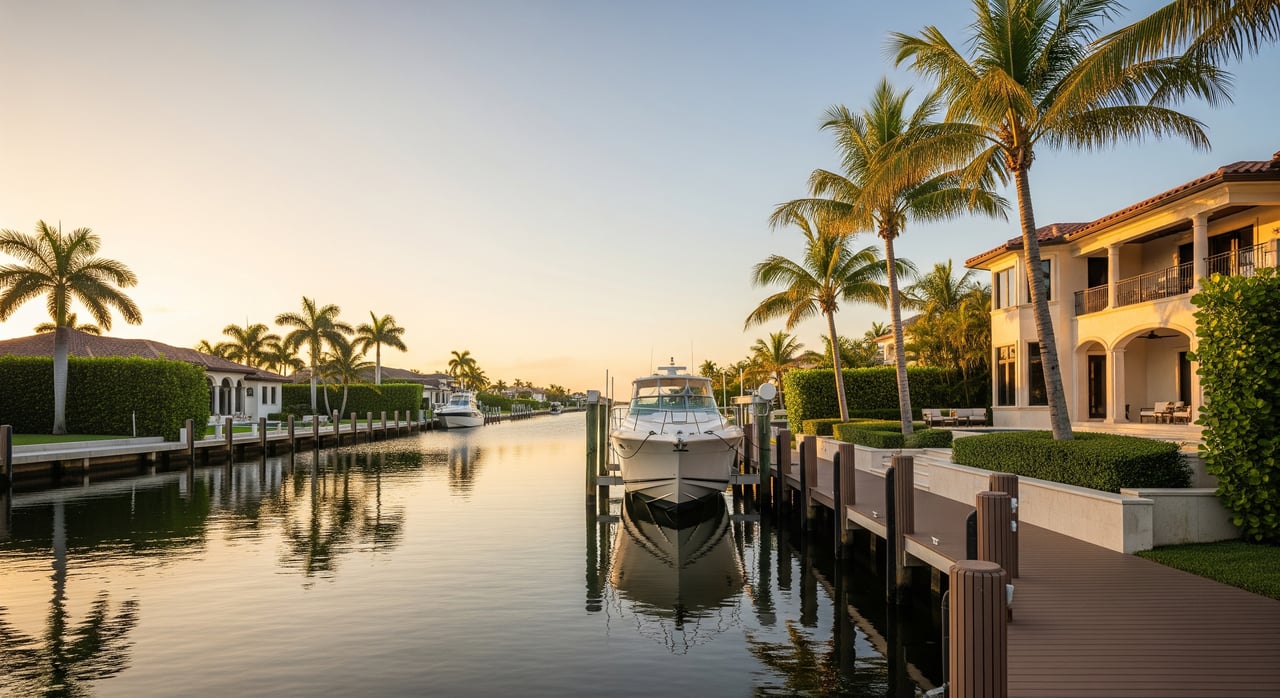
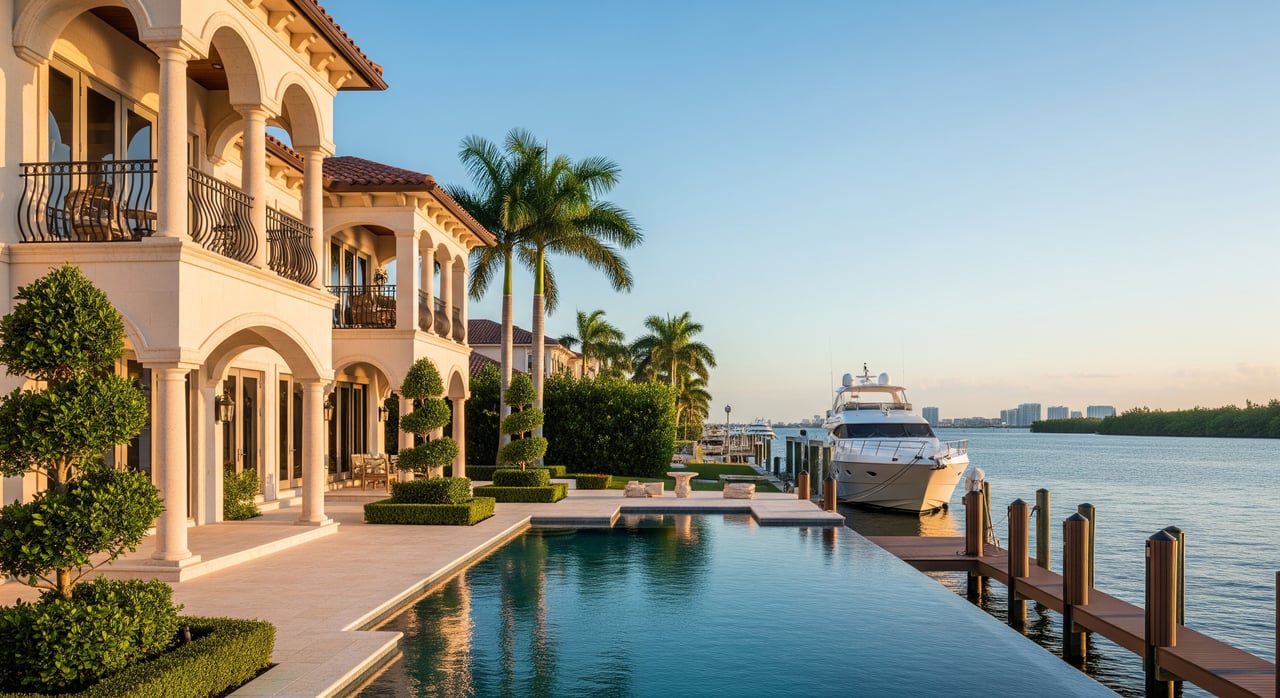
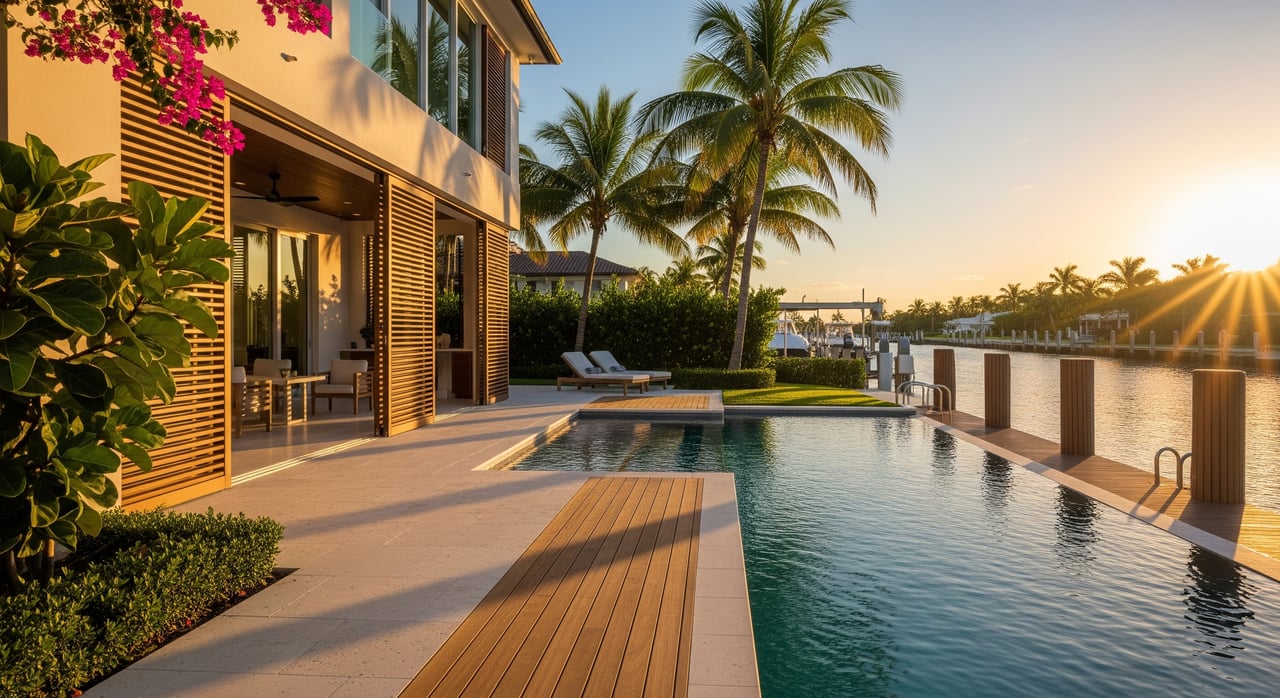
Aqualane Shores canals are active and beautiful, yet they expand sightlines into your yard and pool. Boats pass, neighbors host, and docks sit close to each other, which increases views into outdoor spaces. Combine low walls, hedges, and screens to shape private areas while keeping access to the dock clear. Confirm what can be planted or trimmed near the seawall, since shoreline vegetation is regulated.
Managing glare and reflections
Low-angle morning or evening sun can reflect off water surfaces and create glare, both toward your home and toward neighbors. Control this with roof overhangs, operable louvers, and horizontal solar shades for high sun. Use vertical screens or landscape elements for low-angle light. Consider lower-reflectance pool finishes to reduce bounce-back.
Lot scenarios to consider
North–south axis lots
On lots that run north to south, your front and back typically face east and west. Pools on the west side get strong late-day sun and can run hot without shading. Pools on the east side are bright in the morning and cooler by afternoon, which suits early use. An east–west pool axis can gather light on both sides across the day.
East–west axis lots
On lots that run east to west, your front and back typically face south and north. South-facing pools and terraces enjoy long sun windows through most seasons, which is ideal for warmth and solar gain. North-facing spaces stay cooler and shaded for much of the day, which can be desirable in peak summer. Balance these exposures with shading where needed.
Corner and narrow canal lots
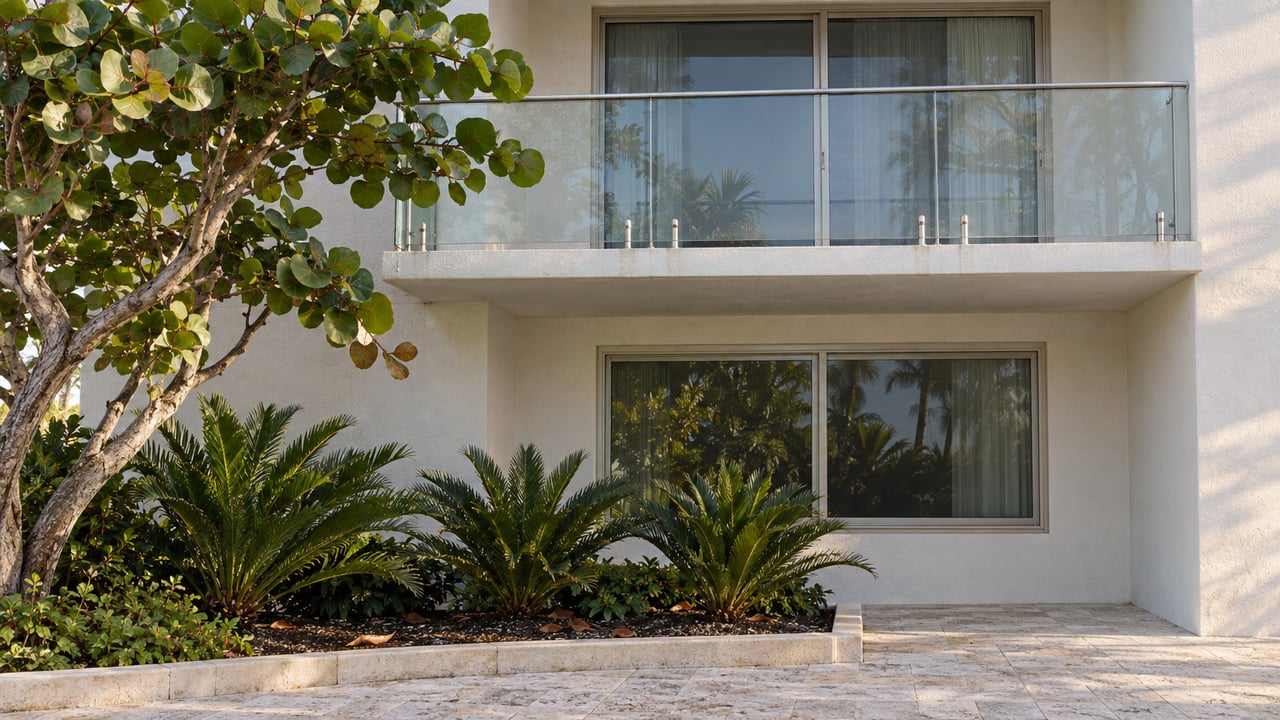
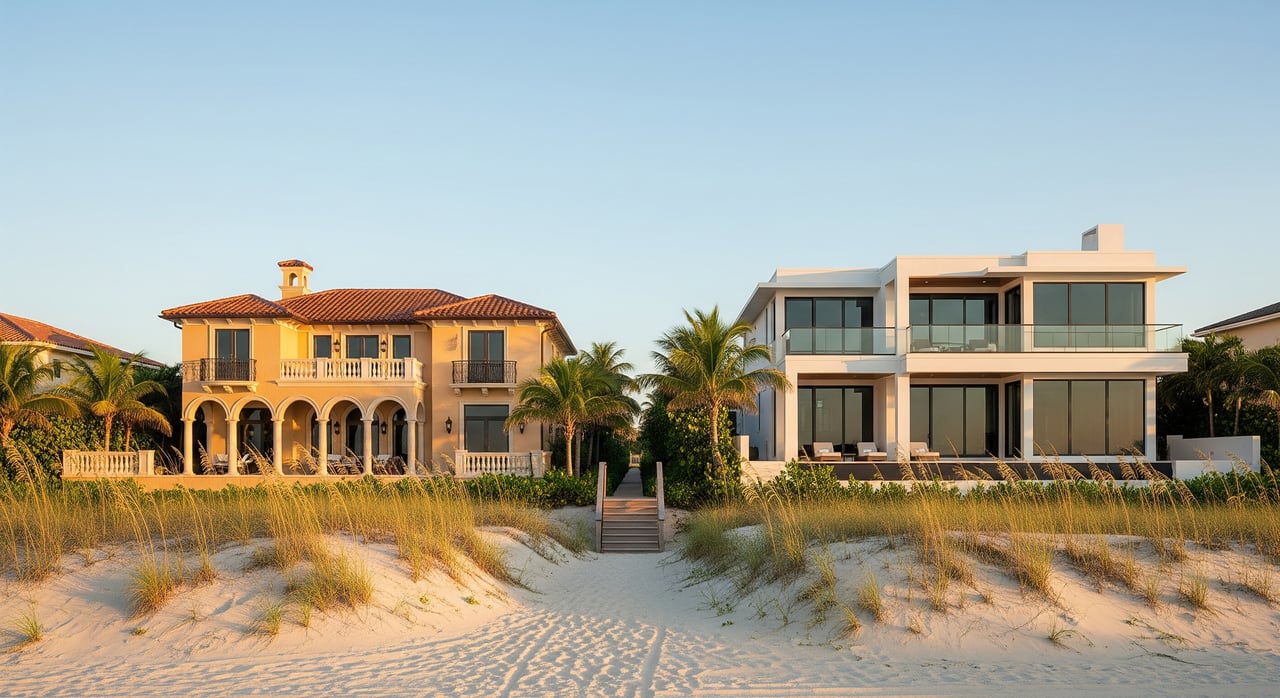
Long, narrow canal lots often compress pool placement and bring neighbors closer. Two-story homes nearby can increase overlooking, especially toward ground-level pools. Use layered screening, raised planters, and strategic wall heights to block key sightlines without closing off views. Peninsula or corner lots may face canals on multiple sides, so design privacy for each approach.
Design tactics that work in Naples
- Use deep overhangs, pergolas, or operable louvers to filter high summer sun.
- Add vertical screens, columns, or trellises to manage low morning and evening light.
- Plan windbreaks upwind of seating areas to reduce evaporation and improve comfort.
- Select low-reflectance pool finishes to cut glare toward windows and terraces.
- Place dining terraces based on use windows: east for breakfast shade later, west for evening light with managed heat.
- Keep vegetation salt-tolerant and native where possible, and confirm any shoreline planting rules before you trim or plant.
Regulatory checks to complete early
- Confirm setbacks, lot coverage, and height with City of Naples and Collier County.
- Review FEMA flood zone and base flood elevation for finished floor and equipment placement.
- Verify seawall condition and permitted dock envelope, including setbacks from channels and neighbors.
- Check Florida DEP rules for mangrove protection and shoreline work, plus any Corps of Engineers requirements for docks.
- Coordinate with South Florida Water Management District if stormwater changes are planned.
- Review neighborhood covenants that may affect screening, decks, docks, and landscaping.
Buyer and architect checklist
- Define your peak-use windows: morning swim, afternoon lounging, or evening entertaining.
- Map sun paths for solstice and equinox dates at those times to confirm solar access.
- Note sea-breeze behavior on site, plus typical winter frontal winds from the north or northeast.
- Identify neighboring second-story windows and rooflines that affect privacy and shade.
- Observe canal traffic patterns, dock orientations, and how sightlines reach your terrace.
- Confirm flood zone, base flood elevation, and any elevation constraints for equipment pads.
- Verify seawall integrity, riparian rights, and docking limits before planning hardscape.
- Check impervious area limits and drainage constraints that may shape pool deck size.
- Plan layered screening that respects shoreline vegetation rules.
- Estimate operating impacts: more sun lowers heating needs, more wind raises evaporation and chemical use.
Aqualane Shores rewards thoughtful orientation. When you align sun, wind, and privacy to how you actually live, your outdoor areas stay comfortable and usable all year. If you would like a discreet, design-forward evaluation of a specific parcel or home, request a private consultation with James Bates.
FAQs
How does Aqualane Shores’ latitude affect pool sun?
- Naples sits near 26.14° north, so the sun remains high even in winter, which supports mid-day warmth on south-facing pools with the right shading strategy.
What exposure gives the most year-round sun on a pool?
- South to southwest exposures generally receive the most cumulative sunlight across the year, which helps with solar gain and reduces supplemental heating needs.
How do afternoon sea breezes impact comfort and maintenance?
- Sea breezes from the west or southwest cool surfaces but increase evaporation and chemical loss, so windbreaks and careful furniture orientation improve comfort and operating costs.
How can you increase privacy on a canal-front lot?
- Use layered strategies like low walls, hedges, and screens to interrupt sightlines from boats and neighboring docks, while verifying what is permitted near the seawall.
What permits should you check before altering docks or vegetation?
- Coordinate early with City of Naples and Collier County, review FEMA flood requirements, and confirm Florida DEP and possible Corps of Engineers rules for docks and shoreline vegetation.
How do neighboring two-story homes affect outdoor privacy?
- Upper-level windows can overlook ground-level pools, so plan elevated screens, thoughtful window placement, and landscape layers to block direct views without losing light.