Wondering where Olde Naples begins and ends? You are not alone. Even long-time residents, visitors, and listing agents use the name in different ways. In this guide, you will get a clear, street-by-street way to understand the district and what matters most when you buy or sell nearby. Let’s dive in.
What “Olde Naples” means
There is no single official boundary for Olde Naples. Locals, agents, and the media use three practical definitions that overlap. Knowing which one a listing uses helps you compare properties with confidence.
The historic core
This is the original downtown and beachfront area with early cottages, low-rise condos, and short blocks. You are close to the Gulf, often within a short walk. The feel is human scale and charming, with small lots and tree-lined streets.
The real estate/MLS version
Many brokers apply “Olde Naples” to properties near the Naples Pier, 5th Avenue South, or 3rd Street South. Boundaries vary by brokerage and MLS polygon. Always ask which map a listing uses before you compare value.
The broad lifestyle use
Visitors and media often stretch the term to mean most of the downtown peninsula west of US‑41 and south of a midpoint. In this view, some fringe blocks near other luxury areas may be folded in. It is a lifestyle label more than a strict map.
Street cues and landmarks
Instead of a strict box, use a few anchors to orient yourself. These cues are how most buyers think about the area when they shop.
Naples Pier
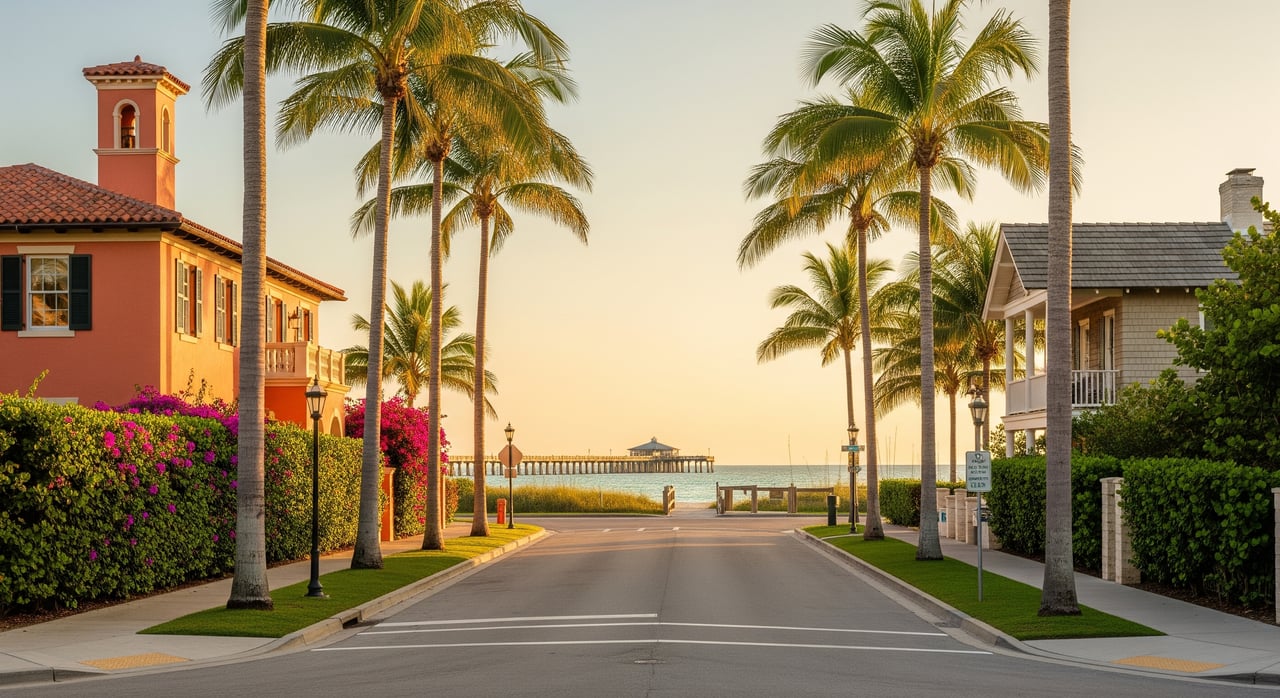
The Pier is the functional center of Olde Naples for many buyers. Homes and condos described as “near the Pier” are often considered inside Olde Naples. Distance to the Pier is a simple way to compare walkability.
5th Avenue South
This is the main dining and shopping corridor downtown. Being within a few blocks adds a daily lifestyle benefit and a pricing premium. It also brings convenient access to festivals and seasonal events.
3rd Street South
This boutique corridor runs closer to the waterfront with fine restaurants and shops. Properties within a short walk tend to be sought after for daily convenience. It is often described as the sister street to 5th Avenue South.
Gulf Shore Boulevard
This beachfront road carries the highest price tier in the area. Homes and condos here trade on view, frontage, and direct beach access. Expect strong premiums for unobstructed Gulf vistas.
Avenues, numbered streets, and parks
Avenues run east to west and numbered streets run north to south, which makes navigation simple. The Pier sits at a specific avenue and gives a visual center to the beach blocks. Cambier Park and nearby open spaces help define the central core.
Edges to keep in mind
To the east, most people consider Olde Naples to stop before US‑41 or larger commercial strips. To the south, some draw the line near the northern edge of Port Royal, while others include a small fringe in lifestyle descriptions. To the north, the area blends into the broader downtown and central Naples blocks.
Micro-neighborhoods to know
Olde Naples is a collection of small, distinct pockets. Here are the ones you will see referenced most often in listings.
Beachfront and beachside
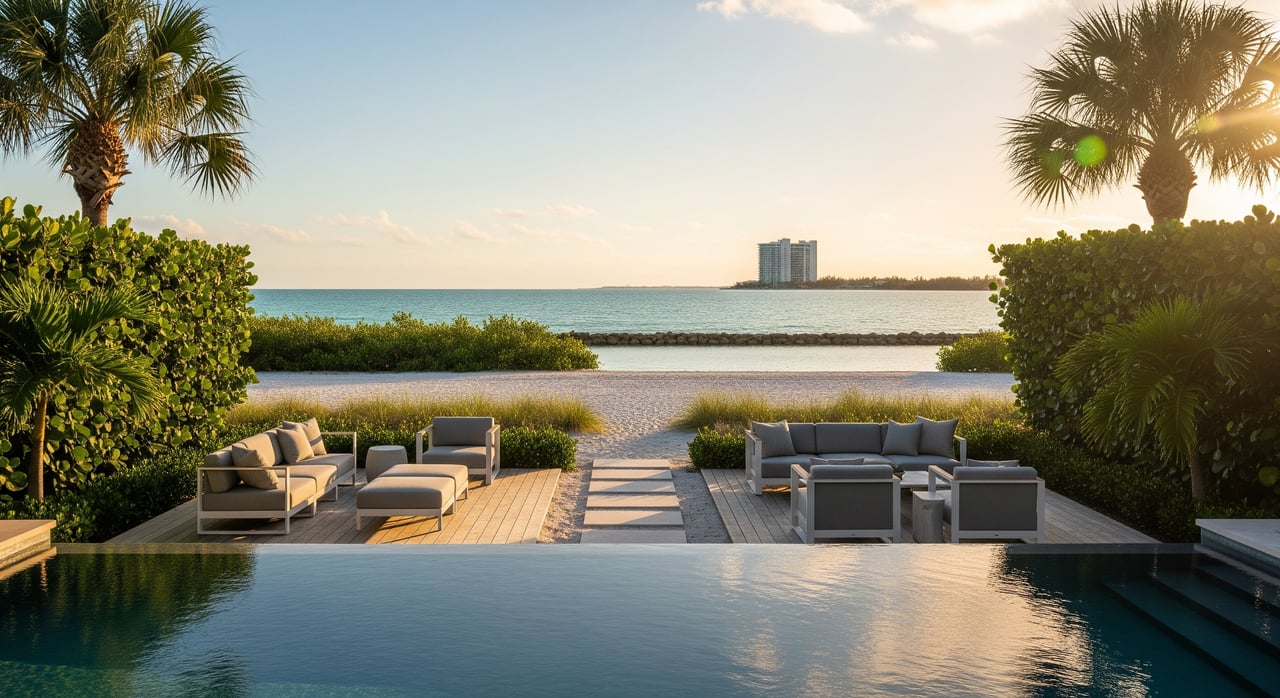
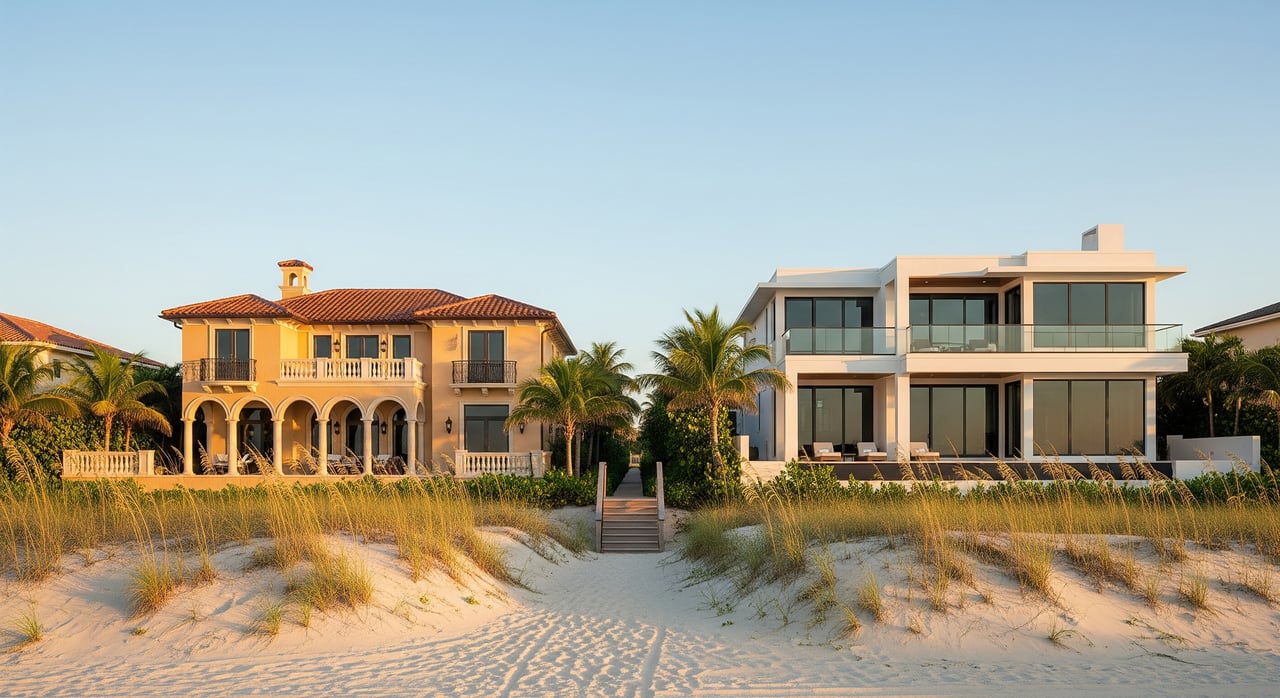
Properties on Gulf Shore Boulevard or one block back command the top price per square foot. Private beach access, lot size, and view quality are the key drivers. Parking and storage also matter for condos on the sand.
Historic Old Naples cottages
These are older, character-rich homes on smaller lots. Many buyers prize the charm and walkability. Redevelopment pressure is active, so confirm zoning, setbacks, and any preservation considerations before you plan changes.
5th Avenue South district
Condos and townhomes one to three blocks from 5th Avenue South trade on walkability. Expect a premium for easy access to dining and events. Noise and parking patterns vary by block, so visit at different times of day.
3rd Street South corridor
This pocket offers boutique shopping and restaurants near the waterfront. Inventory ranges from low-rise condos to single-family homes on quiet streets. Street-by-street differences in lot size and privacy can be material.
Inland blocks toward US‑41
These blocks are still close to the action but trend lower in price than beachfront. You will find a mix of newer construction and small multifamily buildings. Check travel times to the beach and retail corridors to gauge lifestyle fit.
Adjacent luxury areas often mentioned
Port Royal sits to the south and is typically treated as its own, very high-end district. Park Shore lies to the north of downtown and is usually distinct, even if some lifestyle descriptions group it with greater Naples.
How location shapes value and daily life
A few concrete factors set pricing and day-to-day experience. Focus on these when you compare options.
Value gradients you can expect
In general, gulf-front is the peak, followed by beachside one block back. Then come properties walkable to 5th Avenue South or 3rd Street South, followed by inland downtown edge blocks and areas farther east. View, lot size, private beach access, and true Gulf frontage carry the biggest premiums.
Walkability and parking
Being within a few blocks of 5th Avenue South or 3rd Street South changes how you live. You will dine and shop more often on foot, and that convenience shows up in pricing. For condos, confirm assigned parking and guest options.
Building scale and streetscape
Olde Naples has a lower-rise, human-scale feel in many blocks. Newer condos and larger single-family homes are reshaping some streets. Be sure to check local planning rules if you are considering redevelopment.
Flood risk and insurance
Proximity to the Gulf brings storm surge and flood considerations. Review FEMA flood maps, elevation certificates, and historical flood claims for any property you are considering. Insurance and mitigation can affect your total cost of ownership.
Beach access and private rights
Deeded or private beach access is a major lifestyle and value factor for many buyers. Clarify access type and any HOA rules before you close. For single-family homes, ask about the nearest public access and parking.
Historic preservation and redevelopment
Some central blocks include cottages that reflect early Naples history. Local preservation review and zoning can influence renovation scope and timing. If you plan to expand or rebuild, confirm approvals and coverage ratios up front.
Buy smart: verify any “Olde Naples” claim
Because maps differ, verify how a listing uses the label before you underwrite value. Use this simple process.
Step-by-step verification
- Ask the listing agent which definition they are using and for the map or polygon behind it.
- Check local authorities such as City of Naples Planning and Zoning, Collier County Property Appraiser, and MLS neighborhood layers.
- Confirm actual distances or walk times to the Naples Pier, 5th Avenue South, and 3rd Street South.
- Review FEMA flood zone, elevation certificate, past flood claims, zoning, setbacks, parking rules, HOA rules, and any deeded beach access.
- Use a simple parcel map in your analysis so everyone sees the exact block location.
- Pull comps within 0–3 blocks of the Pier and then 0.5–2 miles inland to show the premium curve.
Clear wording that avoids confusion
When you write or evaluate listing copy, choose precise phrases that set the right expectations. You can adapt examples like these.
- “Within walking distance of the Naples Pier and 5th Avenue South.”
- “In the historic downtown core often called Olde Naples; see map for exact block.”
- “Beachside along Gulf Shore Boulevard with private access and assigned parking.”
Why work with a specialized advisor
In a market where a name can mean different maps, you benefit from block-level guidance. A boutique team with deep, repeat activity downtown can help you weigh walkability, frontage, access rights, and flood risk alongside price. Bates | Ives pairs discreet, high-touch advisory with global reach through Premier Sotheby’s International Realty, led by James Bates with more than $1B in personal sales. When the decision involves a trophy beachfront or architecturally significant home, experience at this level is a meaningful advantage.
Ready to map your options and see off-market opportunities with context? Request a private consultation with James Bates.
FAQs
Is “Olde Naples” an official neighborhood?
- No. It is a commonly used name with several overlapping definitions. Use a map and street cues to confirm any listing’s exact location.
Where are the north and south edges of Olde Naples?
- Northern and southern edges vary by use. Some draw a southern line near the northern edge of Port Royal, while others include a small fringe. To the north, the area blends into the broader downtown blocks.
What is the eastern boundary of Olde Naples?
- Most people consider Olde Naples to stop before US‑41 or the larger commercial strips to the east. Properties beyond that are usually labeled with other neighborhood names.
How does walkability affect price in Olde Naples?
- Proximity to 5th Avenue South and 3rd Street South is a consistent premium factor. Quantify it using recent, hyperlocal comps rather than national averages.
Do Olde Naples homes have higher taxes by default?
- Not by jurisdiction. Assessed value drives taxes, and premium gulf-front or walkable properties often have higher assessments, but there is no separate Olde Naples tax district.
Do I need historic approvals to renovate in Olde Naples?
- Portions of central Naples have preservation considerations. Check City of Naples ordinances, planning rules, and any applicable review process for your specific address.
How do I verify a listing that claims “Olde Naples” in the description?
- Ask the agent for the map or polygon they used, confirm walk times to the Pier and retail corridors, and cross-check MLS, property appraiser data, zoning, flood zone, parking, and beach access details.