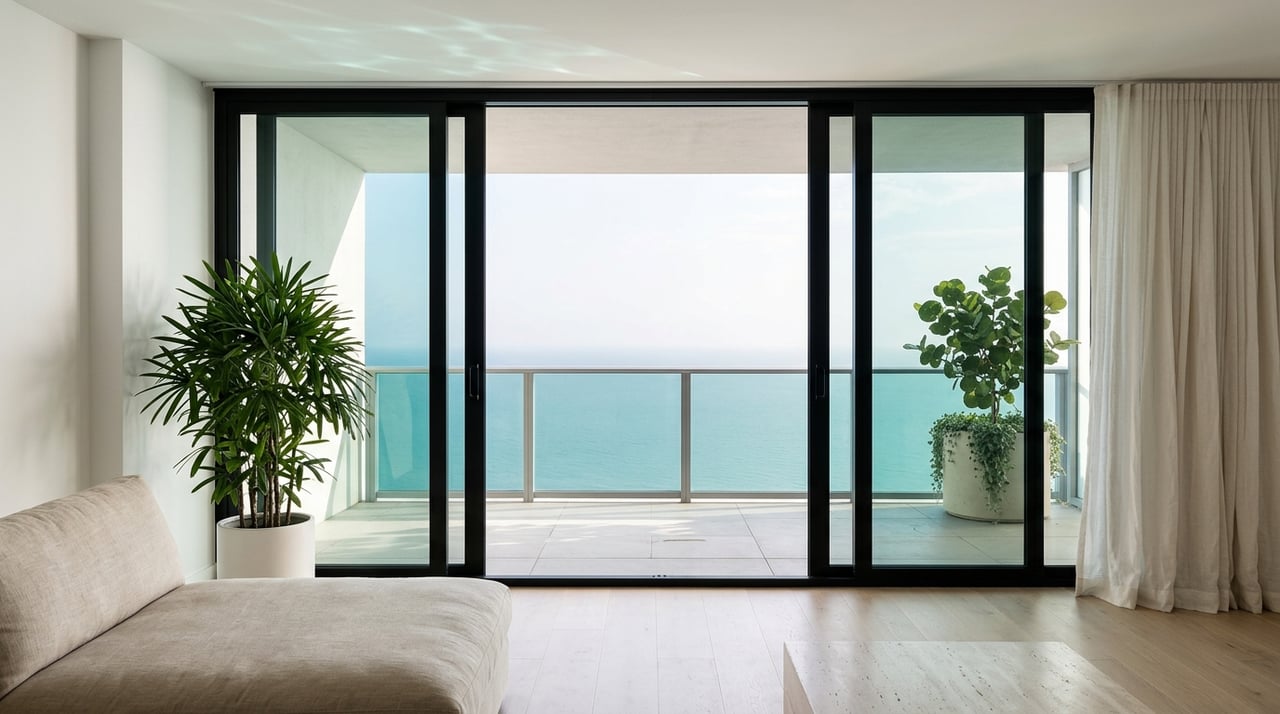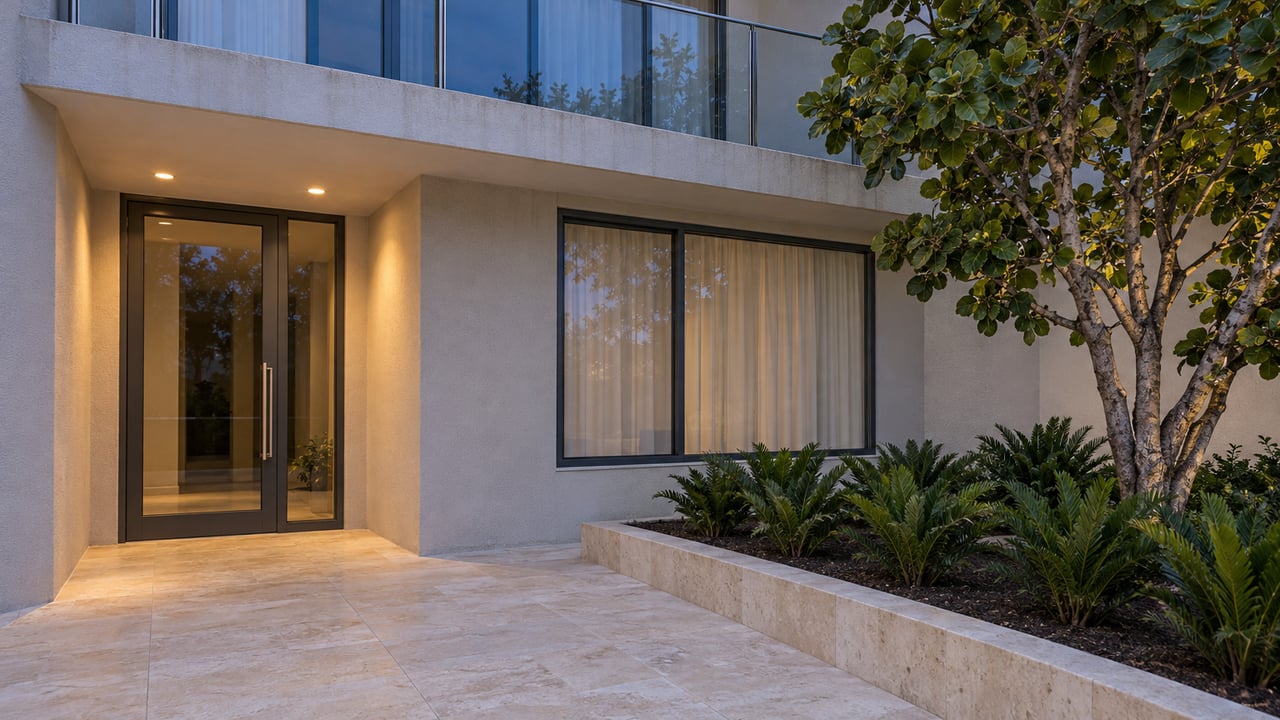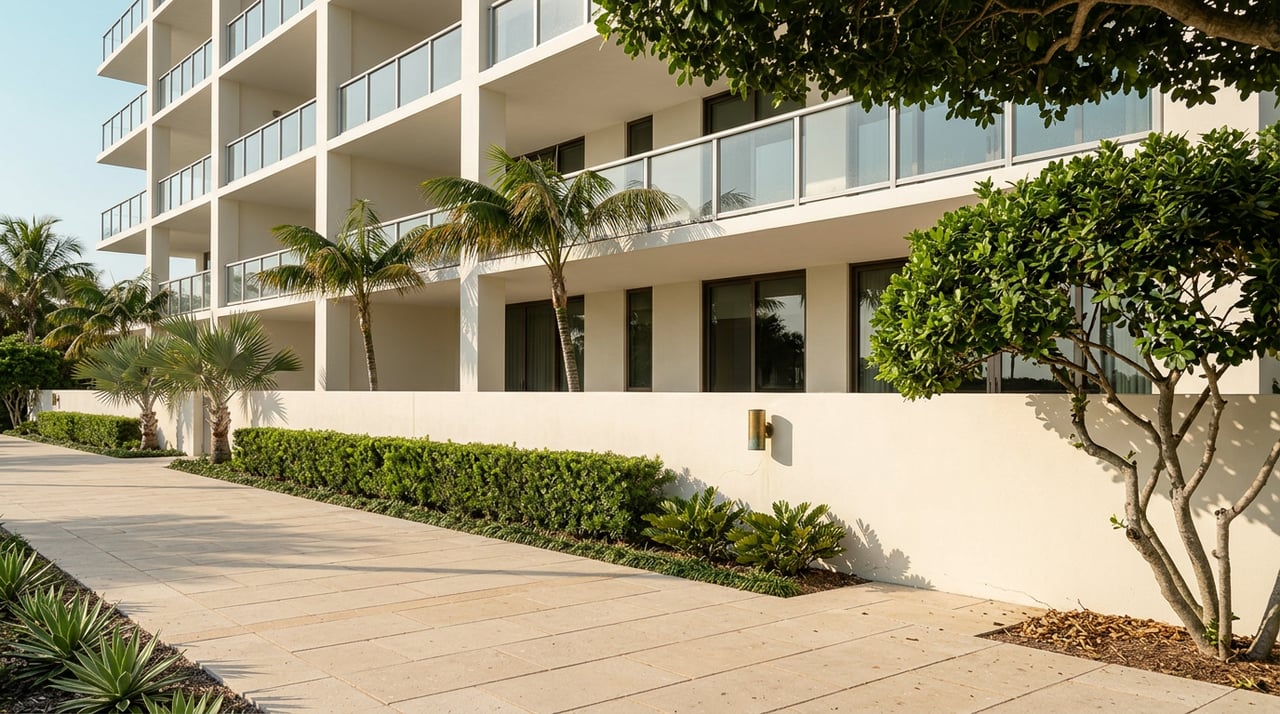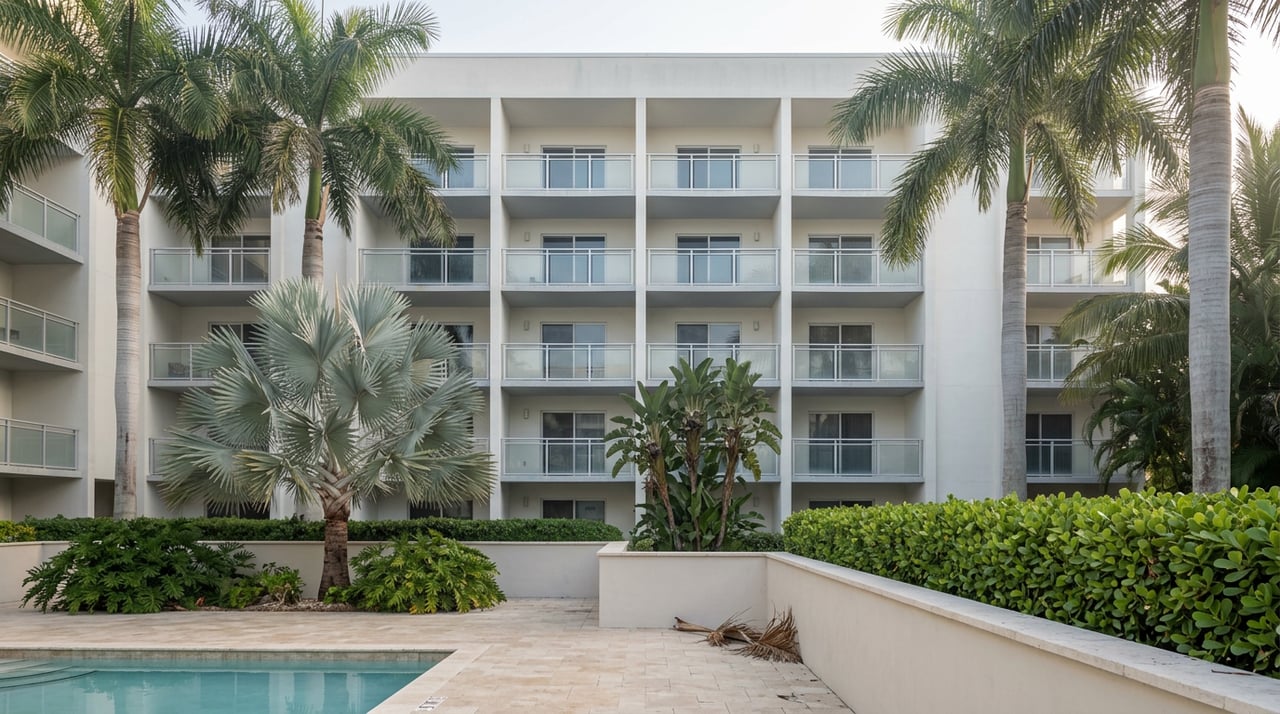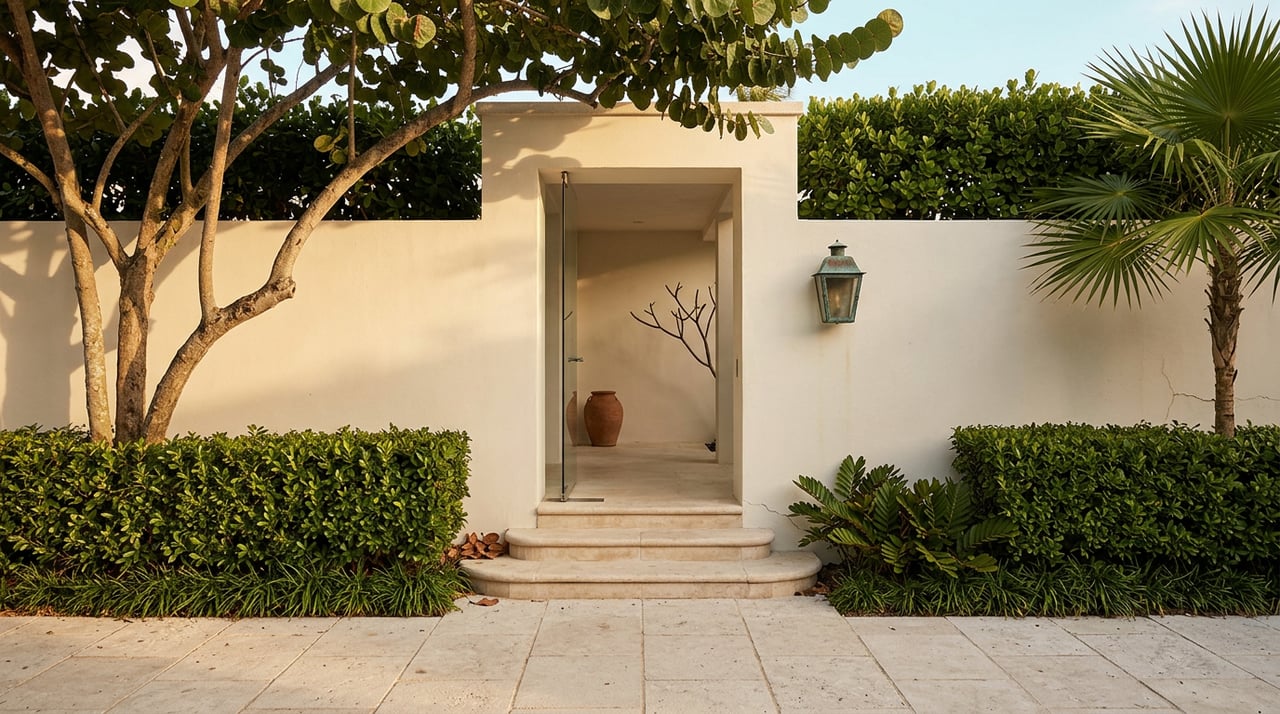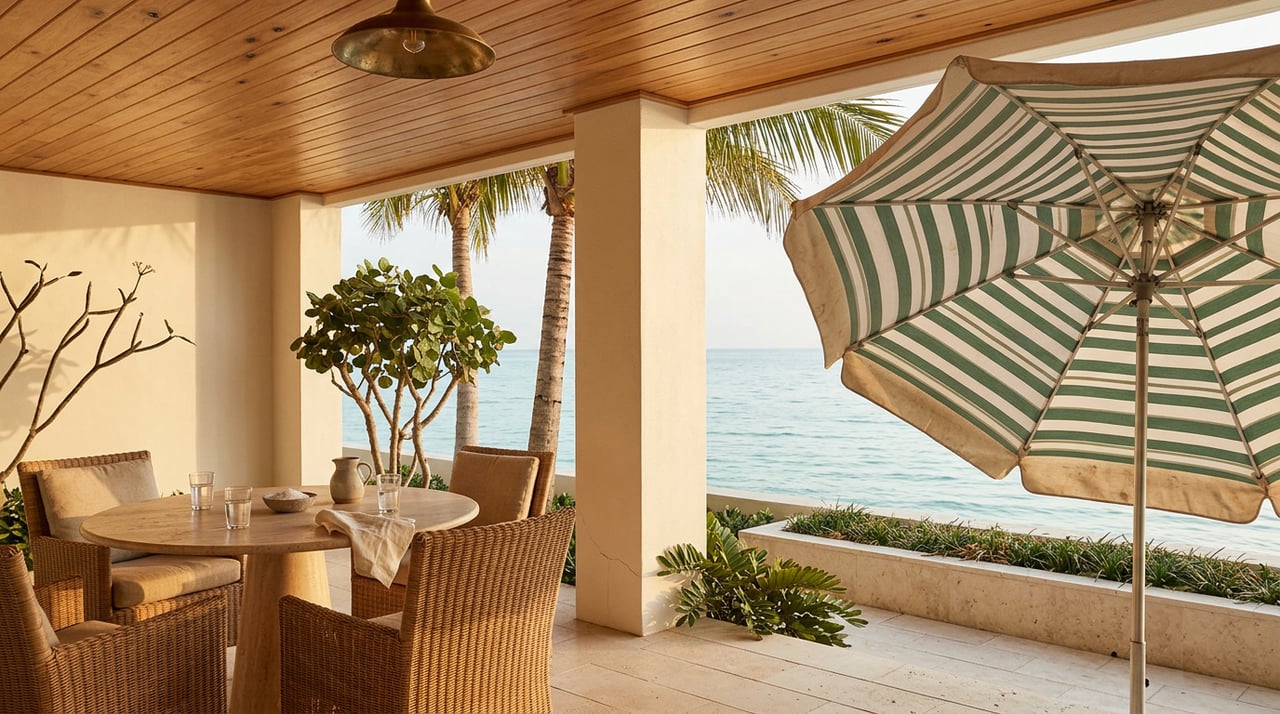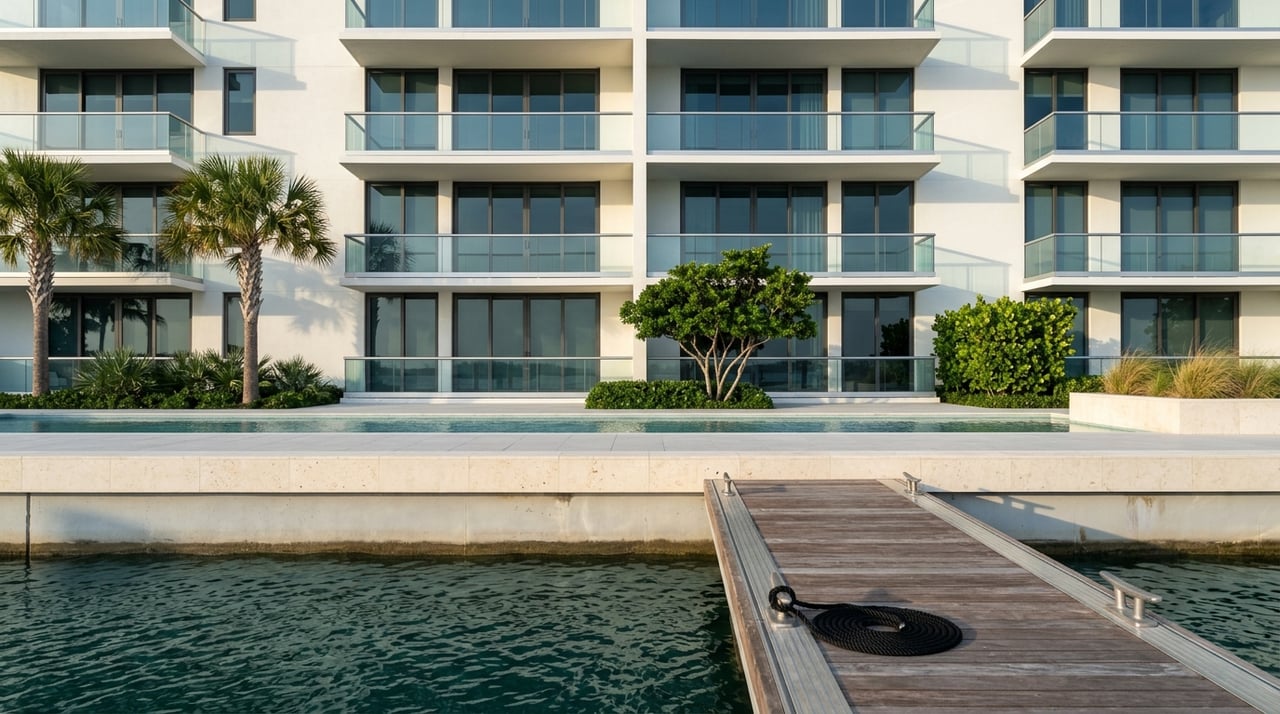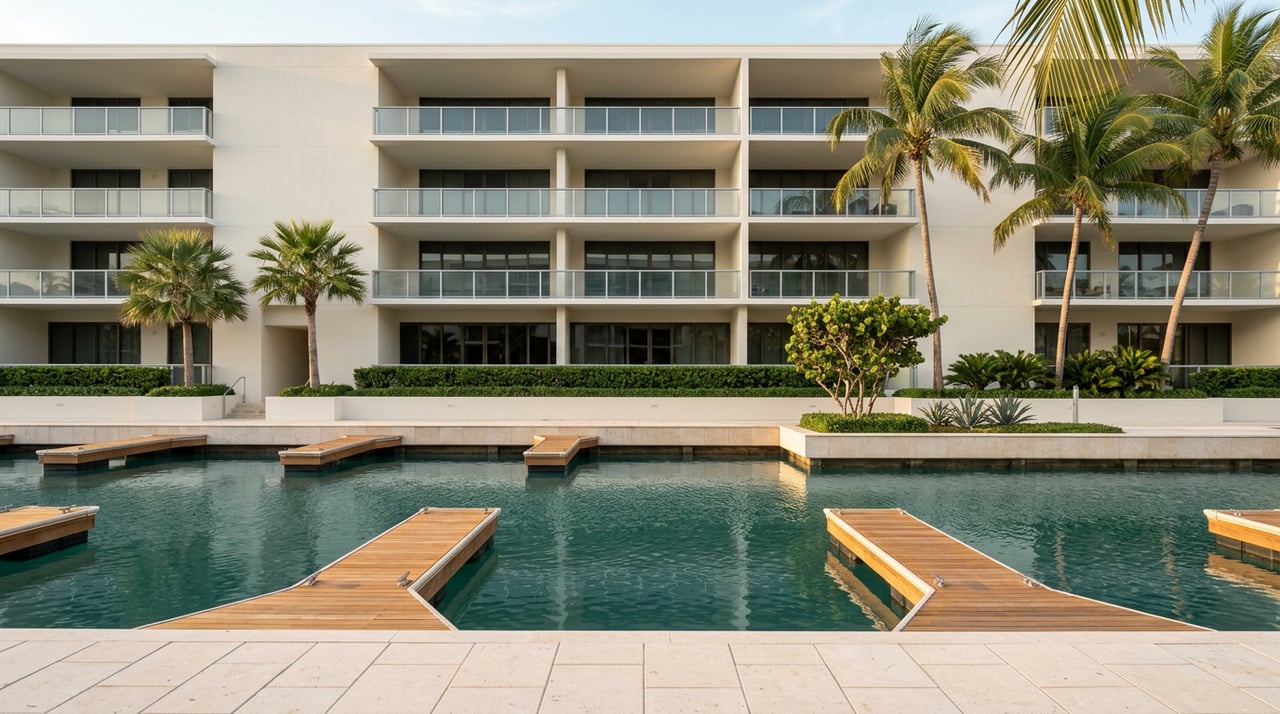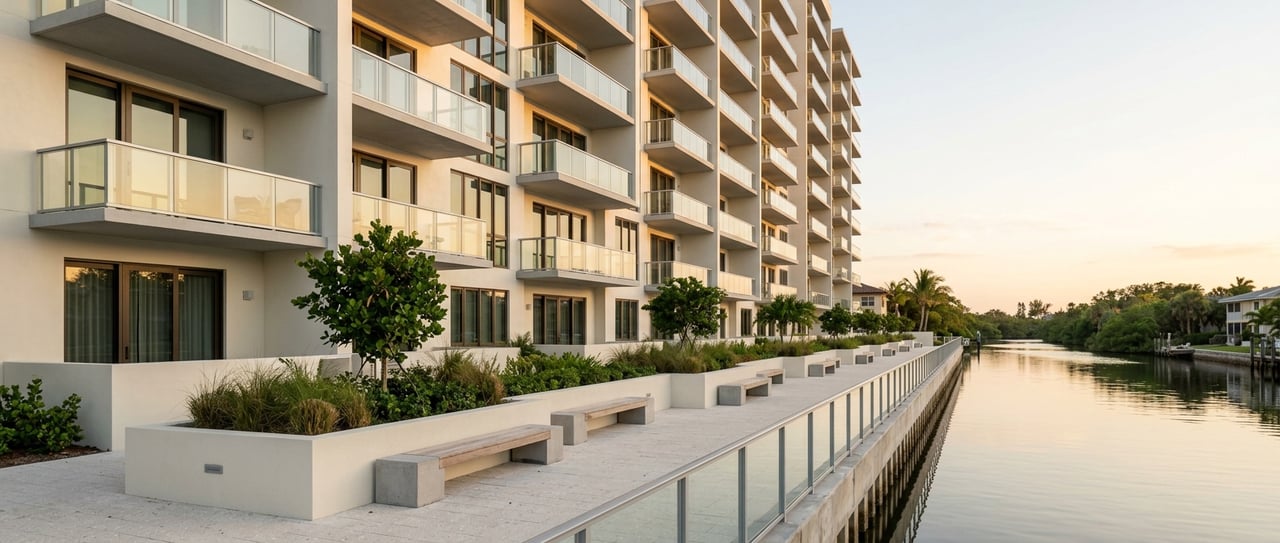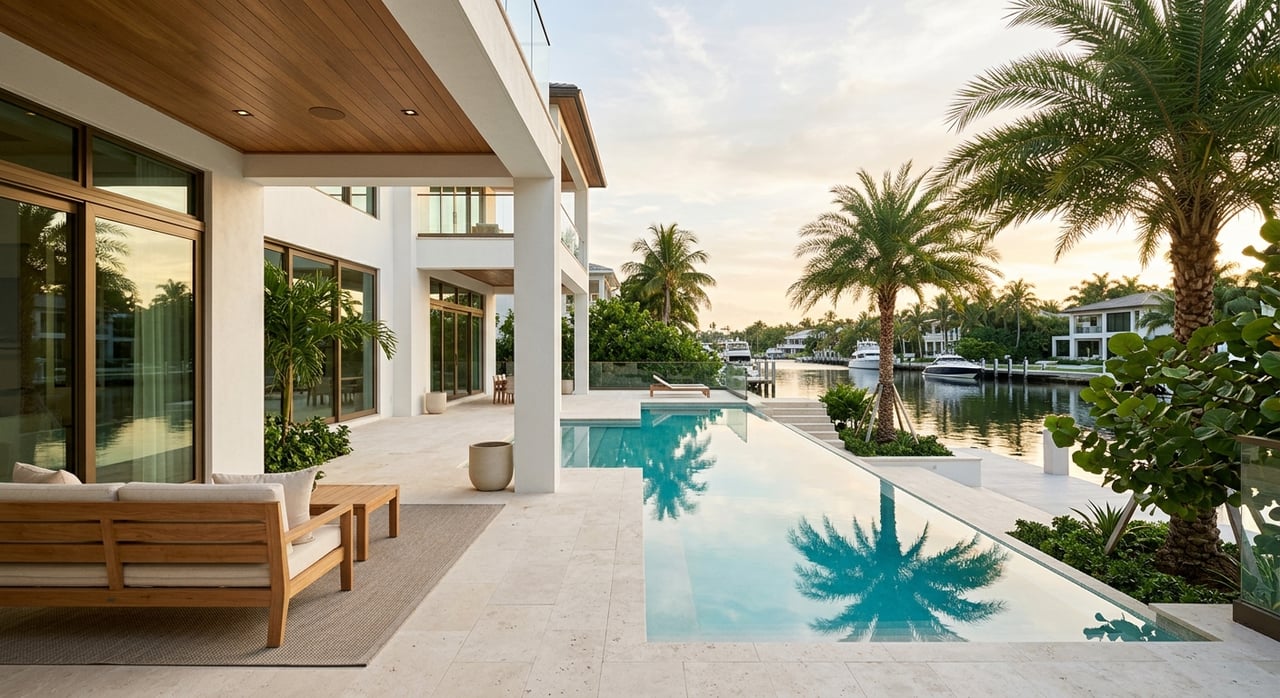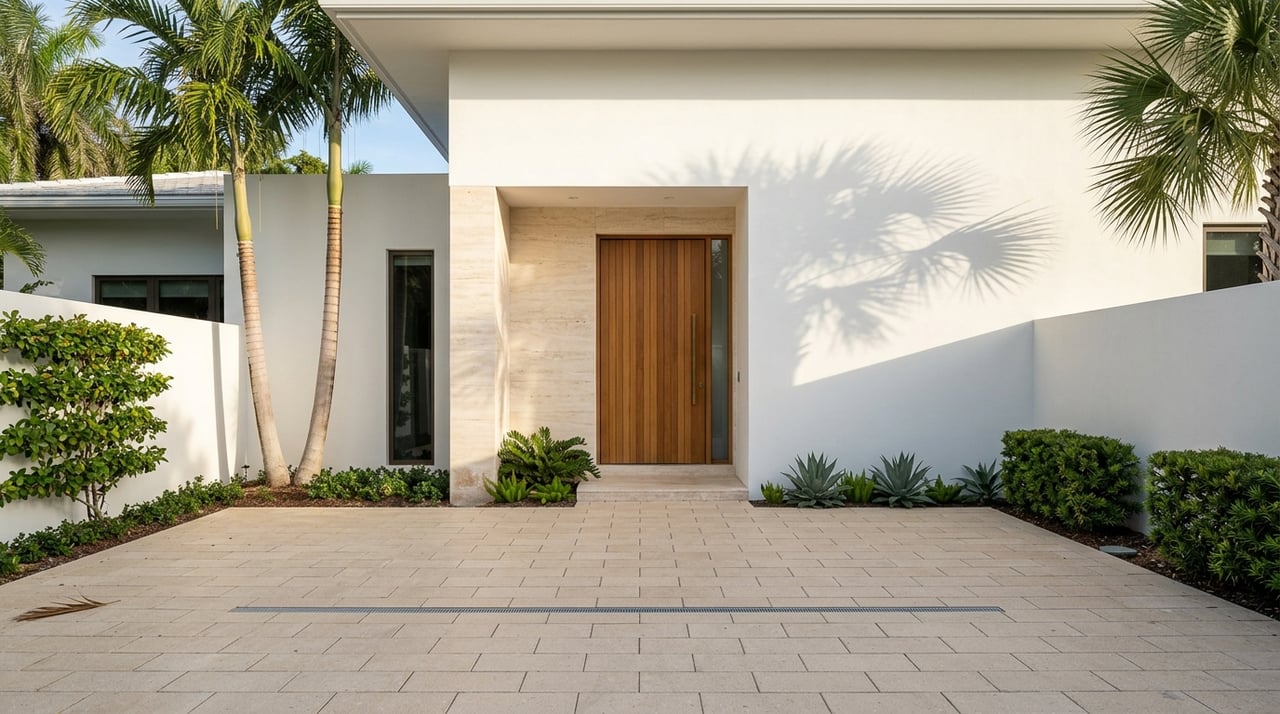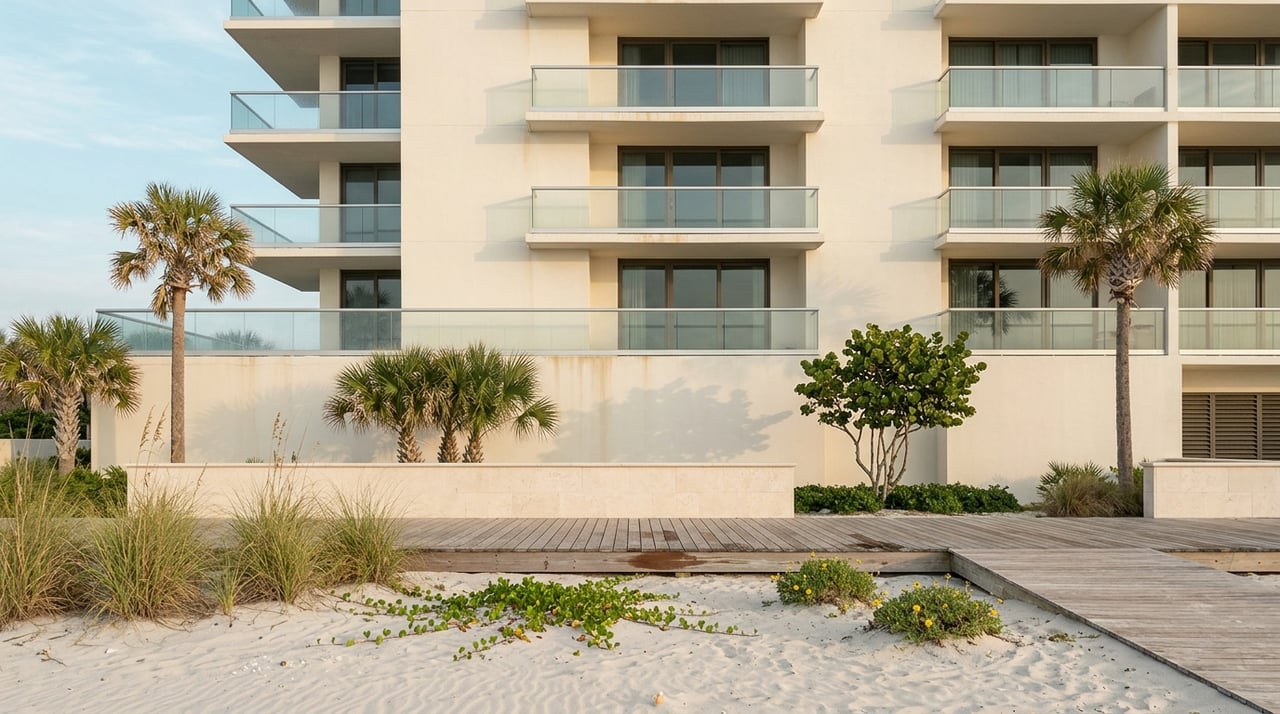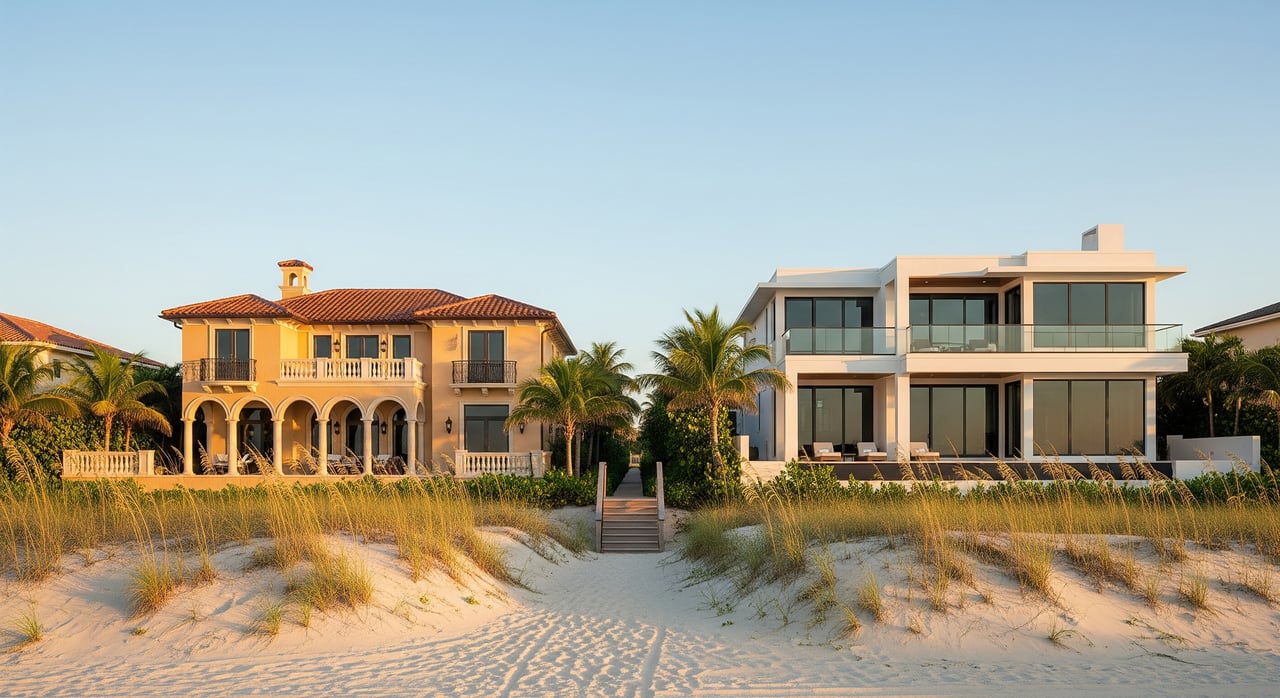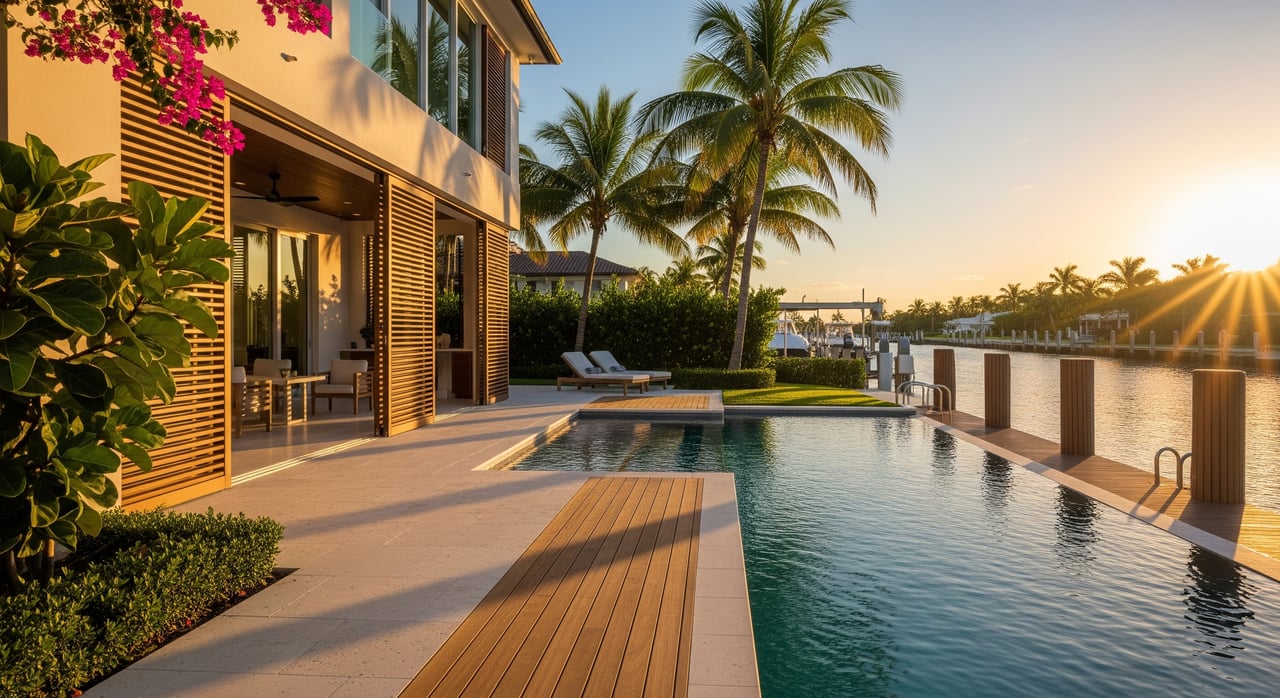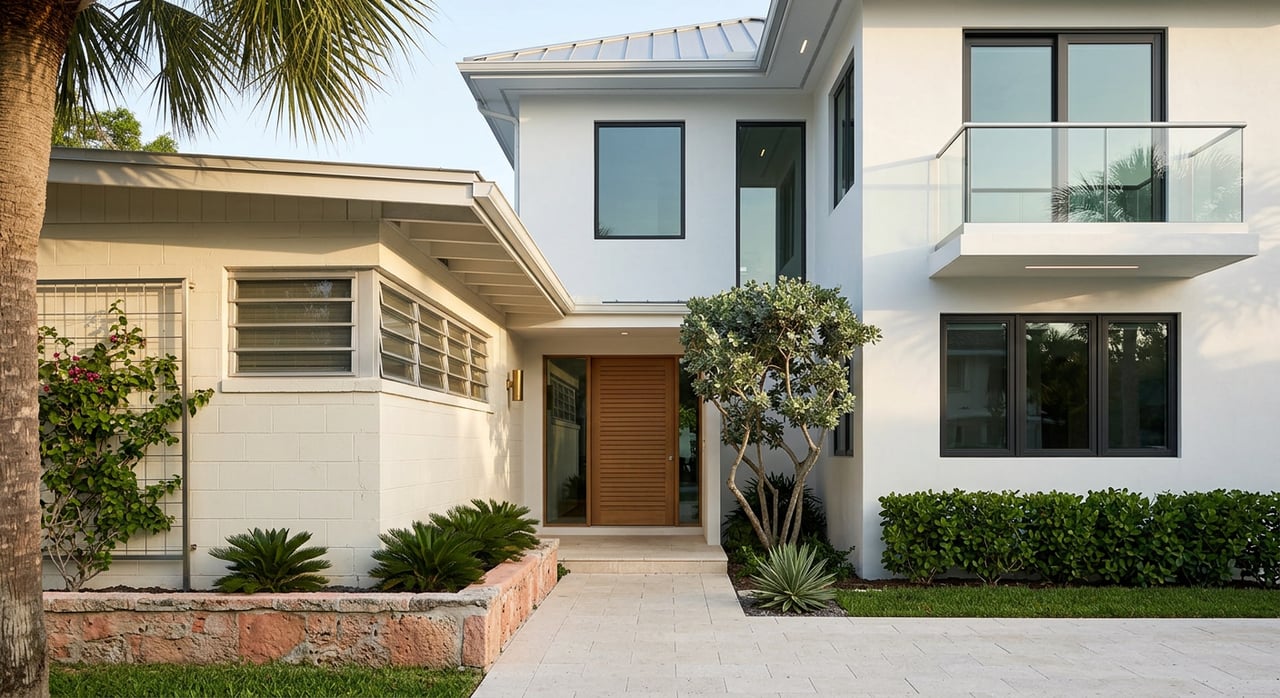
Choosing between a classic Moorings cottage and a sleek new coastal build is a big call. You want the character you love, but you also want smart long-term value, lower risk, and a home that fits how you live. In The Moorings, both paths can work. This guide gives you a clear, local framework to compare costs, timelines, insurance, and resale so you can move forward with confidence. Let’s dive in.
The Moorings today
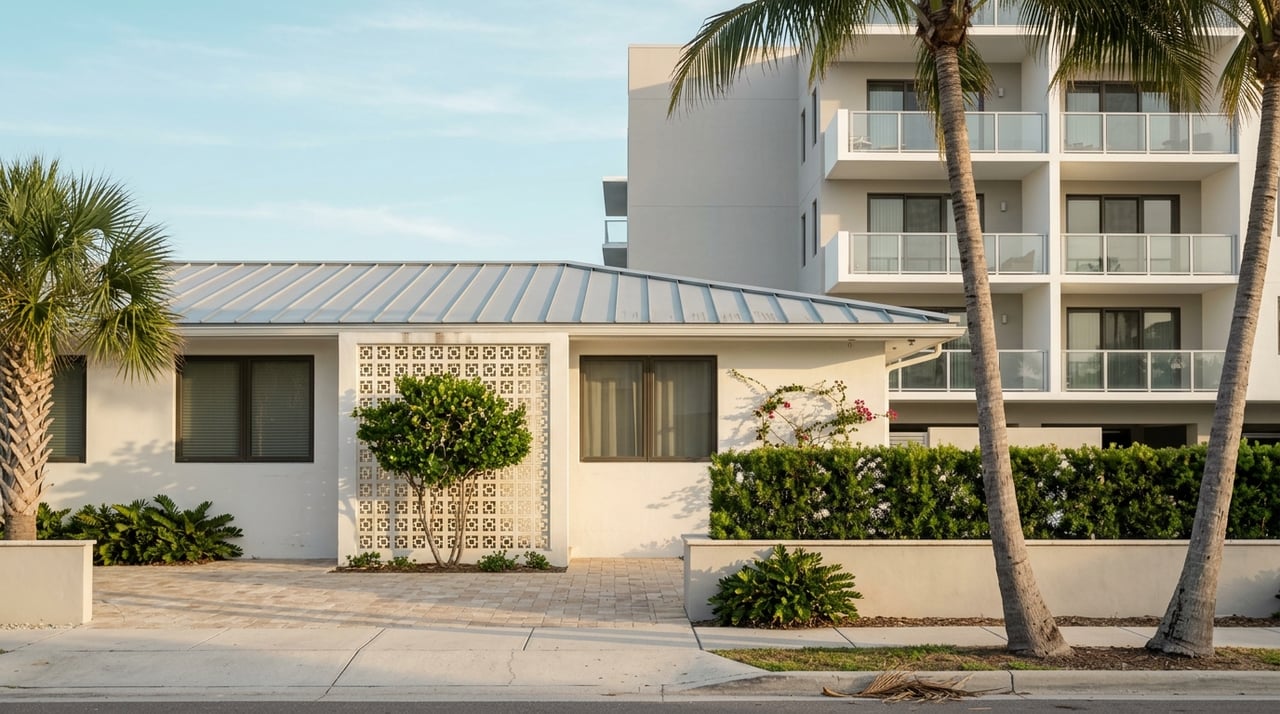
The Moorings was developed beginning in the late 1950s and grew around private beach access, a golf and club tradition, and a range of lots from beachfront to inland. Many original homes were mid‑century cottages and ranches, while newer construction has introduced contemporary coastal estates and updated condos. You see this mix on almost every street. For a concise neighborhood history, review the Moorings Property Owners Association’s overview of its origins and amenities on the MPOA history page.
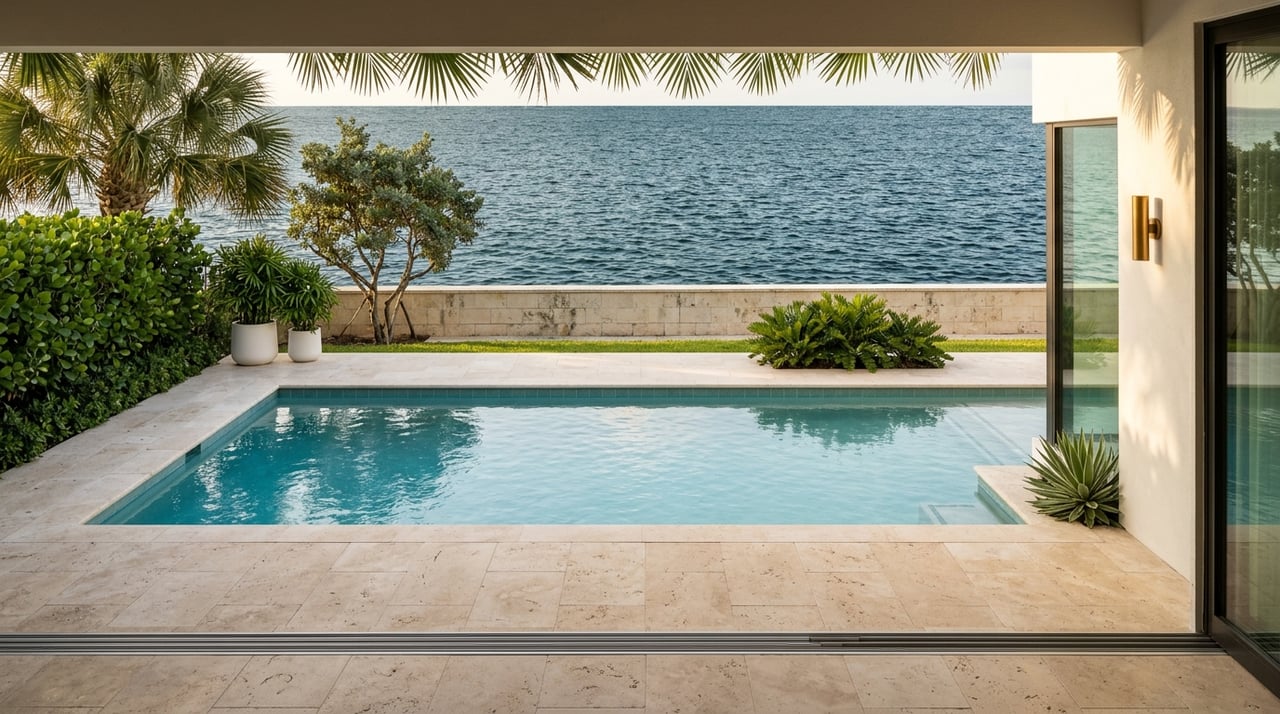
The area is not uniform. An inland ranch on a quarter-acre lot faces different costs, permits, and insurance than a canal front home with a seawall or a Gulf-front parcel. Local design rules and beach club membership may also shape what you can do with a property. For general community context, the City of Naples maintains a Moorings neighborhood page with links to local resources.
Market signals and land value
Recent neighborhood metrics show wide price dispersion due to the mix of lot types. As of January 2026, Redfin reported a median sale price around $1.45 million and a median price per square foot near $872 for The Moorings. These figures move with new listings and closed sales, so refresh them before you act, but they help set expectations. See the current snapshot on Redfin’s Moorings market dashboard.
What matters more than any single neighborhood average is the split between land value and structure value on the specific parcel you are considering. On waterfront, bayfront, and deep-water canal lots, land often represents a large share of the price. On interior lots, the structure’s condition and code compliance can drive more of the value. If the land is most of the value, a teardown and rebuild can pencil out. If the structure carries real value, a careful renovation that preserves character can perform well.
Original charm: when renovation wins
Renovation works when the house is sound, the design has appeal, and your budget stays below costly regulatory triggers. National benchmarking supports this. The 2024 Cost vs. Value Report shows that targeted, midrange projects such as kitchen refreshes, bath updates, impact windows, and curb appeal often recoup a stronger share at resale than large, upscale full-house renovations. Review regional ROI examples in the Cost vs. Value Report.
In The Moorings, a design-forward renovation can be compelling if:
- The improvement value is meaningful relative to land value.
- You avoid triggering substantial improvement rules.
- You can add storm-hardening elements like impact windows that help insurance and comfort.
- The home’s mid-century bones offer real charm you want to keep.
Focus renovation dollars on items buyers notice and insurers credit: roof integrity, windows and doors, mechanical updates, and tasteful kitchen and bath improvements. Keep structural changes proportional, and test your budget early against local permitting rules.
New builds: when starting fresh is best
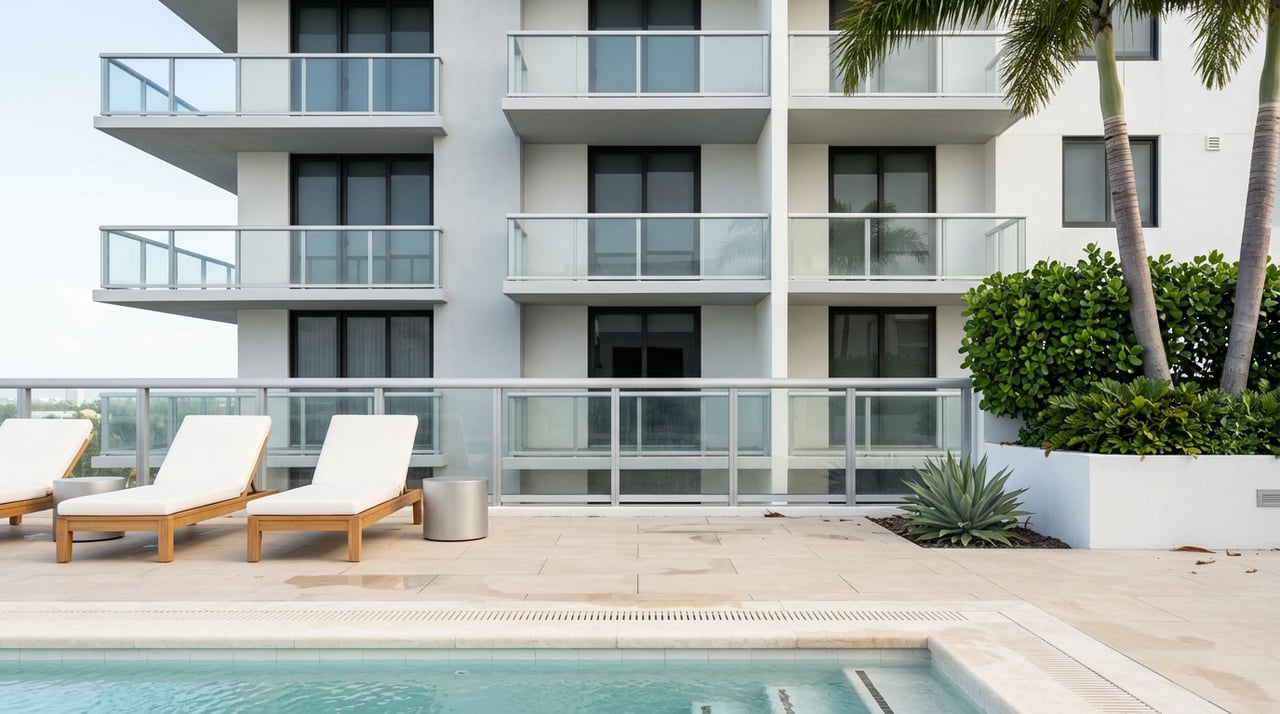
A new coastal-compliant home can deliver elevation to current standards, modern materials, robust wind and impact protection, and the exact floor plan you want. While Collier County is outside Florida’s High-Velocity Hurricane Zone, it sits in a wind-borne debris region with strong requirements for impact-rated products and structural tie-downs. For code context, review the Florida Building Commission’s overview of wind regions and product standards in its education materials.
Early cost planning helps. Regional builder guidance suggests working ranges you can use to frame budgets while you collect bids:
- Standard new construction: roughly $150 to $200+ per square foot in Southwest Florida.
- Coastal-compliant builds with impact-rated products and elevated foundations: commonly $200 to $300+ per square foot.
- Luxury custom coastal estates: often $300+ per square foot, with costs rising for complex sites and high-end finishes. These are starting points only. Request multiple local bids for your lot. See an example of regional context from a Southwest Florida builder resource on coastal construction costs.
If your lot is seaward of or near the Coastal Construction Control Line or if seawall or shoreline work is involved, plan for additional review and possible state permitting. Start by confirming flood maps and zones at FEMA’s Flood Map Service Center, then call local permitting for parcel-specific guidance. These steps can add time, but they reduce surprises.
The 50 percent rule in plain terms
One rule drives many renovate-versus-rebuild decisions here: the FEMA “50 percent rule.” If your work on a structure in a Special Flood Hazard Area equals or exceeds 50 percent of the structure’s pre-improvement market value, you typically must bring the entire structure into compliance with current code and floodplain standards. That can mean elevation to design flood elevation, flood vents, and mechanical relocation. The rule is enforced in Collier County and is a common reason owners choose to rebuild rather than attempt deep structural remodels on waterfront or bay-facing homes. Review the county’s process and forms on Collier County’s Substantial Improvement analysis page.
Timelines you can expect
Every site, plan, and builder is different, but typical ranges in Southwest Florida are:
- Renovation with permits: 3 to 9+ months. Design can run 1 to 3 months, permitting 1 to 3 months, and construction 2 to 6+ months.
- Tear down and new custom build: 9 to 24 months. Permitting may take 2 to 6 months, longer when coastal reviews apply. Build times often range from 9 to 18 months for custom coastal homes. If your renovation triggers substantial improvement or elevation requirements, assume added time for design, engineering, and approvals.
A clear due diligence checklist
Before you commit to a renovation or a rebuild, complete these steps:
- Confirm land vs. improvement value on the parcel using the county property appraiser report.
- Pull the flood zone and FIRM panel at FEMA’s Flood Map Service Center. If available, review the seller’s elevation certificate or budget to obtain one.
- Ask Collier County Floodplain Management for a Substantial Improvement analysis if you plan major work. Start with the county’s SI/SD guidance and forms.
- Confirm wind and impact-product requirements with building services. For background on Florida’s wind regions and product standards, see the Florida Building Commission materials.
- Order two conceptual budgets: a targeted renovation with allowances for code upgrades, and a teardown plus new coastal-compliant build. Align scope with your flood zone and any shoreline or seawall work.
- Obtain preliminary insurance quotes for both scenarios. Flood and wind premiums depend heavily on elevation and mitigation features. For official maps and base flood elevations, start with FEMA’s map service. For local program details, Collier County’s Floodplain FAQs are helpful.
Lifestyle and value tradeoffs
Consider these side-by-side themes as you decide:
Original charm, renovated
- You keep mid-century character while upgrading comfort and safety.
- Targeted projects can deliver stronger resale recovery than whole-home overhauls, based on the Cost vs. Value Report.
- Lower disruption and often faster delivery than a new build.
- Works best when improvement value is high and you avoid the 50 percent trigger.
New build, coastal-compliant
- You tailor layout, elevation, and materials for today’s living and future codes.
- You may capture insurance credits for impact protection and elevation.
- Longer timeline and higher upfront cost, especially with shoreline or CCCL review.
- Often the stronger move on Gulf, bay, or deep-water canal lots where land value dominates.
How to decide with confidence
The smartest decision comes from parcel-specific math. Verify your flood zone, elevation, and land versus structure value. Price both a renovation and a rebuild with real contractor input. Layer in insurance quotes and likely timelines. In The Moorings, this approach quickly shows whether preserving original character creates better value for your lot or whether a new coastal estate will protect long-term utility and resale.
If you would like a quiet, data-backed conversation about a specific Moorings property, we are here to help. Request a private, confidential walk-through of your options and a tailored plan for your goals. To begin, connect with James Bates for a private consultation.
FAQs
What is the 50 percent rule for Moorings homes in flood zones?
- Collier County applies FEMA’s substantial improvement rule. If your documented construction cost equals or exceeds 50 percent of the structure’s market value before work, you must bring the home into compliance with current code and floodplain standards. See the county’s SI/SD guidance for details.
How can a new build affect my insurance costs in The Moorings?
- New construction that meets current elevation and impact standards can qualify for wind and flood mitigation credits, which may reduce premiums. Always request quotes for both renovated and new scenarios. Start flood zone and elevation checks at FEMA’s Flood Map Service Center.
Are remodeling projects likely to recoup costs at resale in Naples?
- Selective, midrange upgrades like kitchens, baths, impact windows, and curb appeal often recover a meaningful share of cost, while major upscale overhauls tend to recoup less. See the 2024 Cost vs. Value Report for benchmarks.
What are typical timelines for renovation vs. new builds in The Moorings?
- Permitted renovations often run 3 to 9+ months. Teardowns and new custom builds typically span 9 to 24 months, longer with coastal permitting. Plan for design, permits, and inspections within those windows.
Where do I check my Moorings property’s flood zone and base flood elevation?
- Use FEMA’s official Flood Map Service Center to pull your FIRM panel and confirm your zone and base flood elevation. Collier County’s Floodplain FAQs offer additional local guidance.