Are you drawn to Old Naples because it feels timeless, yet never stuck in the past? That is part of what makes this neighborhood so compelling. If you are buying, selling, or simply trying to understand what gives Old Naples its identity, it helps to know how its architecture evolved and why certain blocks feel so distinct. Let’s take a closer look at the styles that define Old Naples and what they tell you about value, setting, and lifestyle.
Why architecture matters in Old Naples
Old Naples is the city’s historic beach-adjacent core, and the City of Naples notes that it contains many of the original homes in Naples, with a mix of old and new residences stretching from the Third Street South area toward the beach. That layered character is the key to understanding the neighborhood. You are not looking at one frozen architectural moment, but a place shaped over decades.
The area’s development began in the late 1800s and continued through 1964 within the Naples Historic District documentation. Over time, cottages, guesthouses, garages, later infill, and post-1960 condominium development all became part of the local streetscape. For buyers and sellers, that means style is not just about appearance. It also reflects lot history, preservation context, walkability, and how a property fits into the broader fabric of Old Naples.
Frame Vernacular cottages
If there is one architectural style most closely tied to Old Naples, it is the classic cottage often described in preservation records as Frame Vernacular. According to National Park Service documentation, this is the most common style in the district, accounting for 31 of 65 contributing properties. In simple terms, this is the original language of Old Naples.
These homes were shaped by local climate and practical building methods. You will often see wood framing, deep porches, wide eaves, front- or side-gable roofs, shutters, and siding such as board-and-batten or horizontal lap. Many of the earliest cottages also carry small hints of Queen Anne and Stick-style detailing, which adds visual texture without changing their humble coastal character.
What makes these cottages so appealing is their sense of authenticity. They connect directly to Naples’ earliest residential story and often sit on streets where the historic pattern still reads clearly. In a market where location and character both carry weight, intact cottage properties can stand out for reasons that go far beyond square footage.
Where to see the cottage story
One of the clearest reference points is Historic Palm Cottage at 137 12th Avenue South, identified by the Naples Historical Society as the oldest house in Naples, built in 1895. This address helps anchor the neighborhood’s origin story in a very real place. It also gives you a useful lens for understanding why 12th Avenue South remains such an important architectural touchstone.
The broader district story also becomes easier to see along Broad Avenue South, 10th Avenue South, 11th Avenue South, 12th Avenue South, 13th Avenue South, and Gulf Shore Boulevard South, where National Register documentation identifies contributing historic resources. If you are touring Old Naples, these streets can help you connect architectural style to specific blocks rather than viewing the neighborhood as one uniform whole.
Mid-century homes
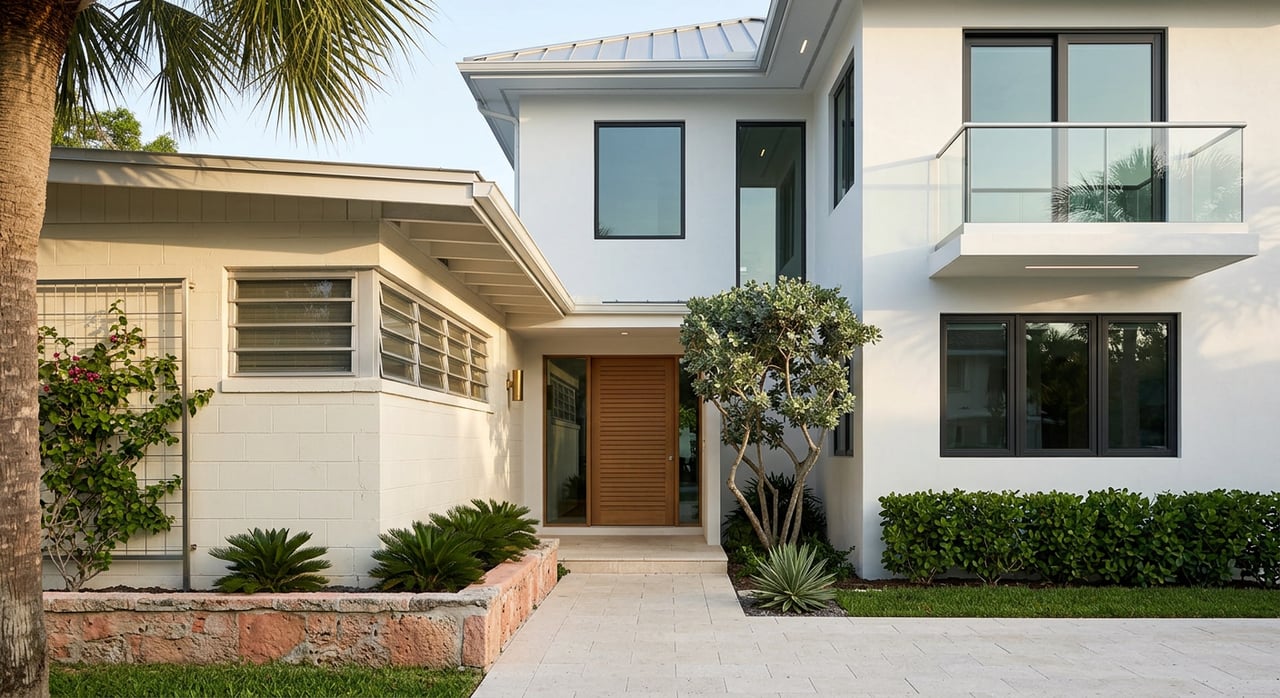
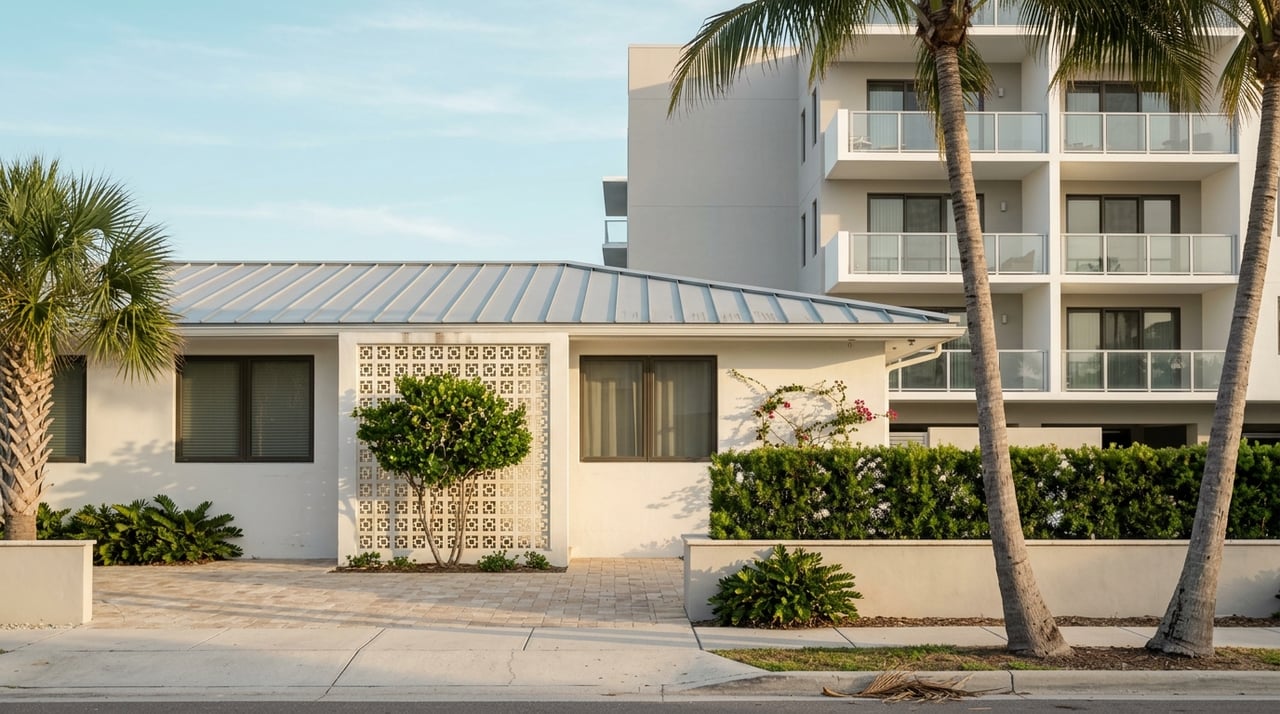
Mid-century homes in Old Naples are easy to overlook because they often sit between more obvious historic cottages and newer luxury construction. Yet they play an important role in the neighborhood’s evolution. In the historic district documentation, this postwar layer includes late Craftsman bungalows, early Minimal Traditional homes, Ranch houses, and many residences that still retained Frame Vernacular forms.
These homes matter because they bridge two eras. They connect the earlier cottage fabric to the later redevelopment wave, showing how Old Naples changed as needs, tastes, and building patterns shifted. For some buyers, that transitional quality is exactly the appeal, especially when a property still reflects the scale and rhythm of the original neighborhood.
Mid-century homes can also carry a different land story. The research notes that these properties are often tied to larger lots that once held cottages, garages, and guesthouses rather than the larger luxury footprints common today. That context can shape how you think about a property’s present use and long-term positioning.
Why the mid-century layer matters
In Old Naples, architectural significance is not always about the oldest house on the block. Sometimes it is about how a home fits into the neighborhood’s timeline. Mid-century residences often represent that middle chapter, and they can appeal to buyers who want a home that feels rooted in Old Naples without requiring a fully historic cottage profile.
From a market perspective, these homes may attract attention for both character and site potential. That does not make them interchangeable with cottages or newer estates. It simply means their value can come from a different mix of design, lot size, and redevelopment context.
Contemporary coastal estates
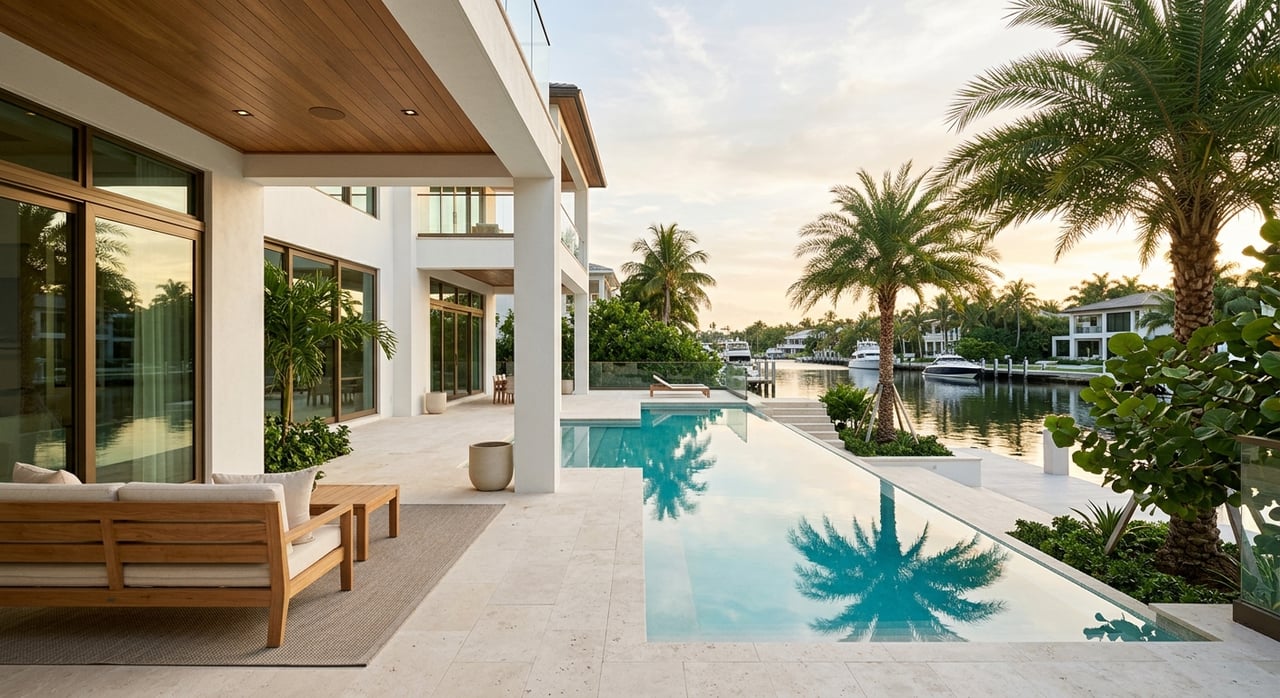
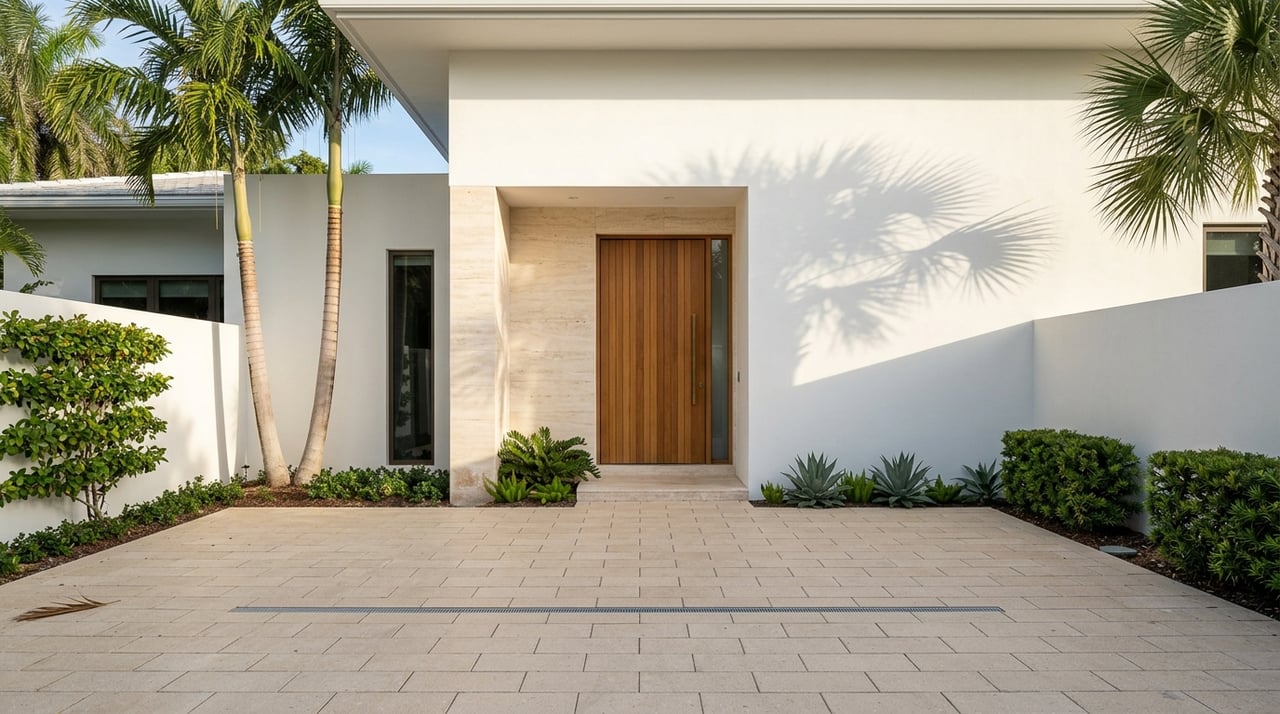
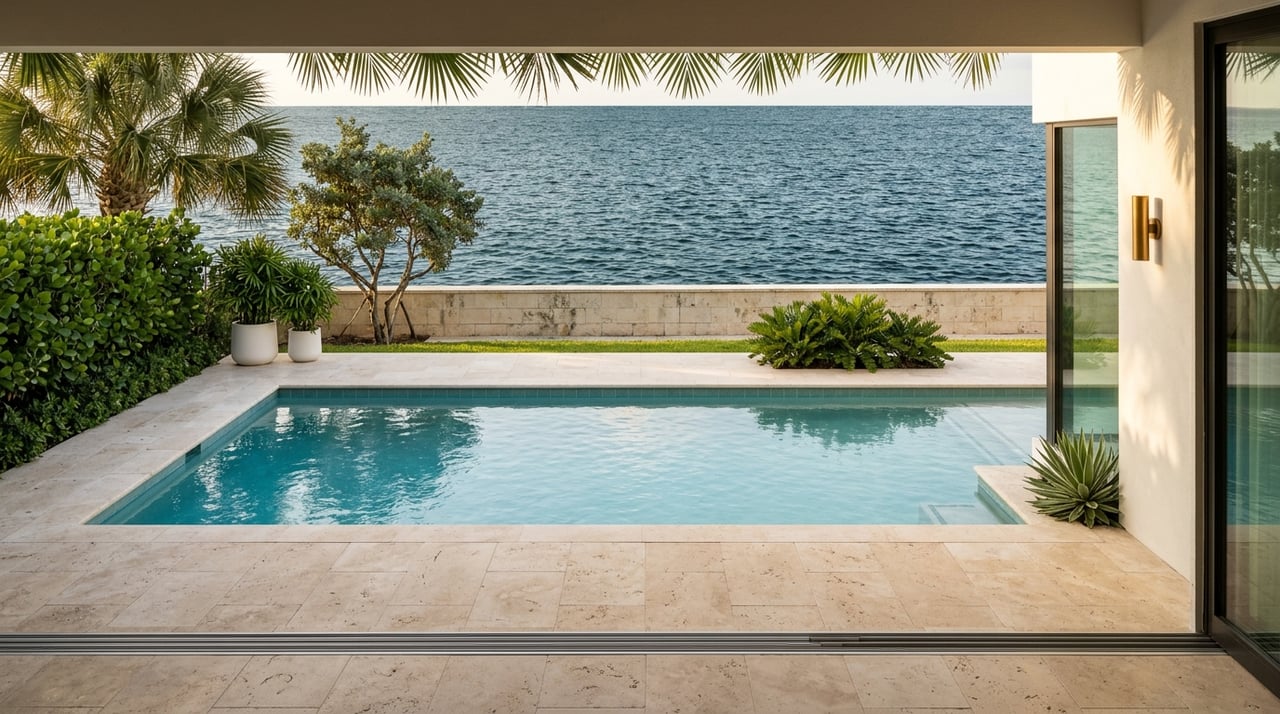
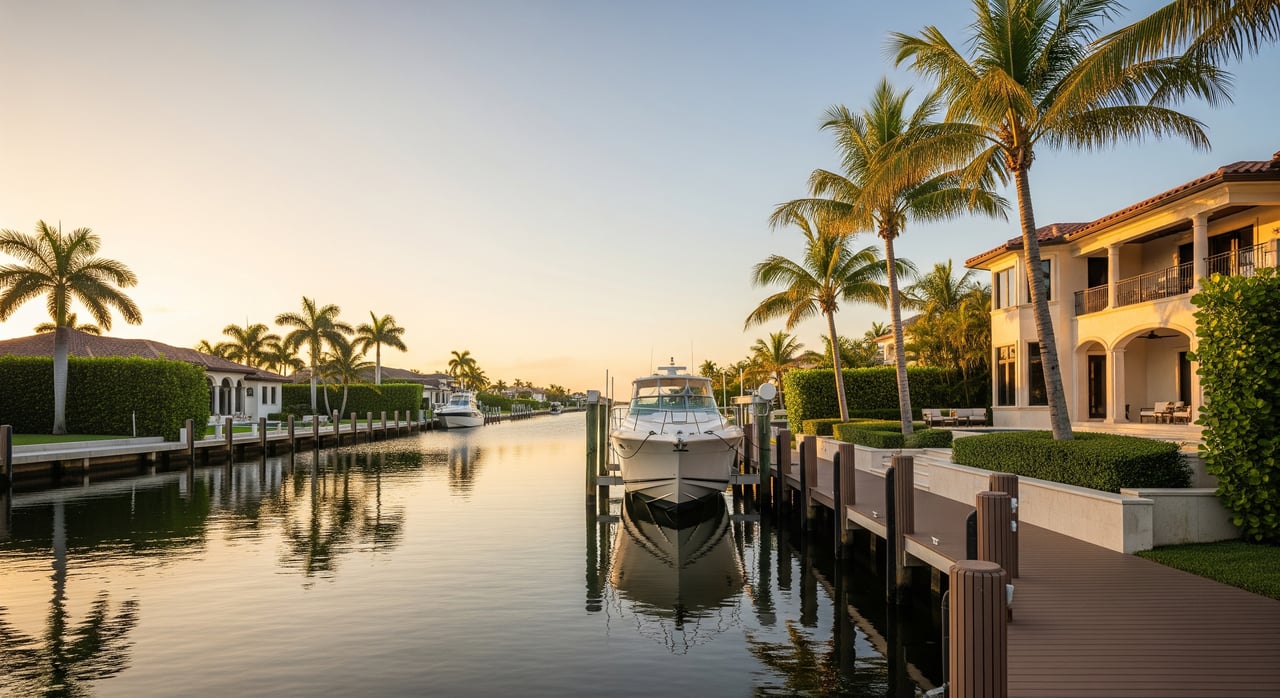
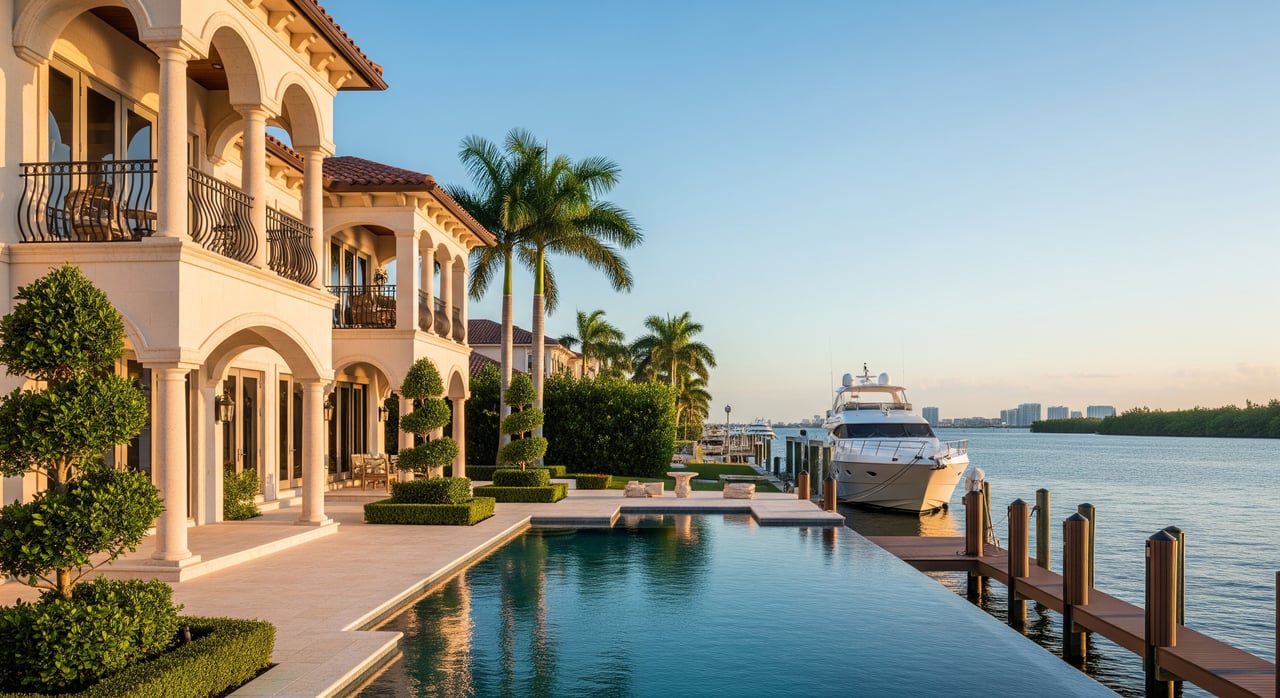
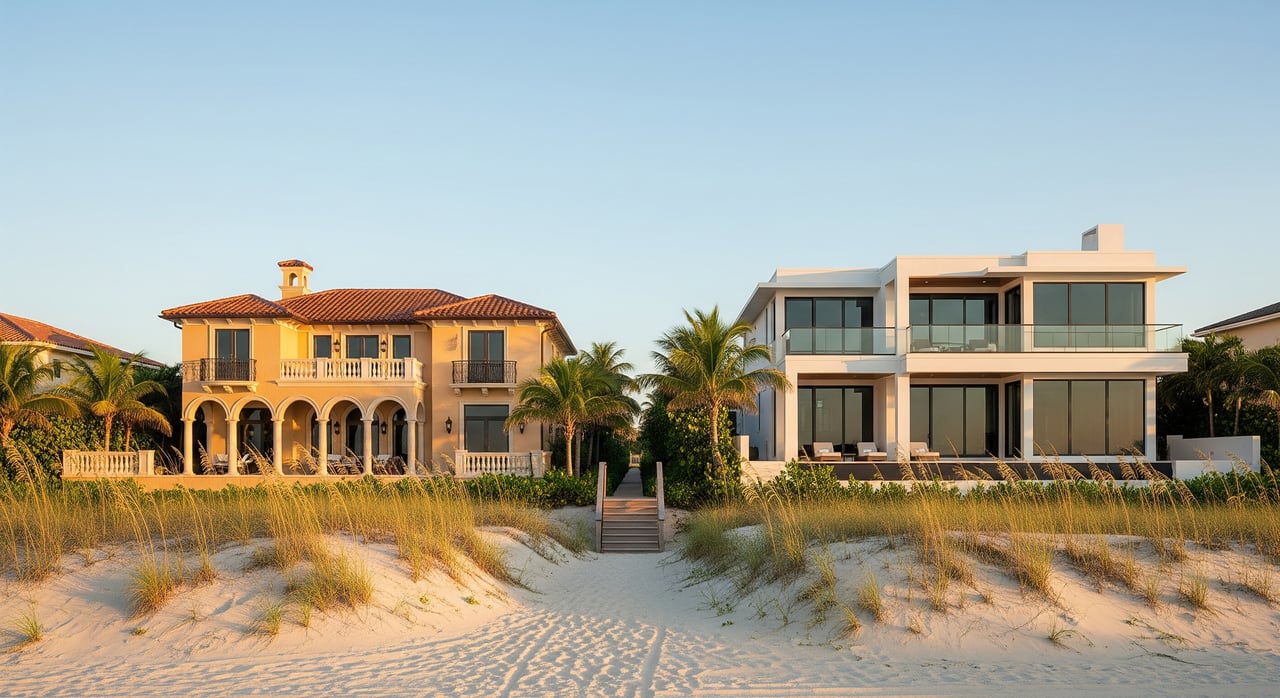
Contemporary coastal estates are now a visible part of Old Naples, but they are best understood as a later layer rather than the neighborhood’s original architectural DNA. The City of Naples describes Old Naples as a mix of old and new homes, and the historic district documentation explains that new construction followed earlier patterns of vacation cottages on large plots. Over time, those scarce sites supported a new generation of larger residences.
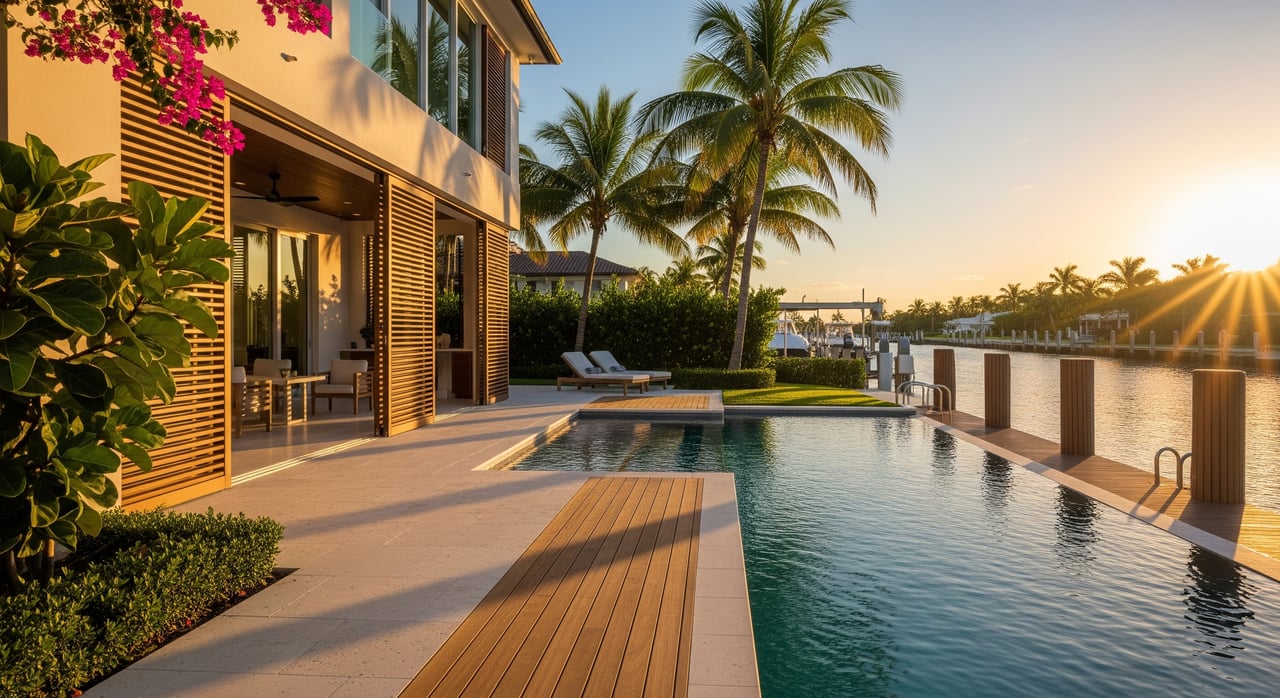
When you walk Old Naples today, this is where you see the neighborhood’s luxury evolution most clearly. Newer estates often reflect current preferences for scale, modern coastal finishes, and updated building systems. Still, their value is tied not just to the home itself, but to the rarity of well-located land near the beach and close to downtown anchors.
For buyers, that means it is important to separate architecture from site value. A contemporary estate may deliver the convenience and polish of newer construction, but part of its pricing power often comes from the underlying location, especially in blocks near the Gulf or within easy reach of Third Street South and Fifth Avenue South.
New construction in a historic setting
Old Naples works because old and new sit side by side. A newer estate does not erase the area’s history. Instead, it becomes part of the neighborhood’s ongoing pattern of reinvention on limited, highly desirable land.
That context is useful if you are comparing properties at very different price points. In Old Naples, style alone is never the whole story. Beach adjacency, lot size, walkability, and how a home fits into its streetscape all play a major role.
Condo buildings
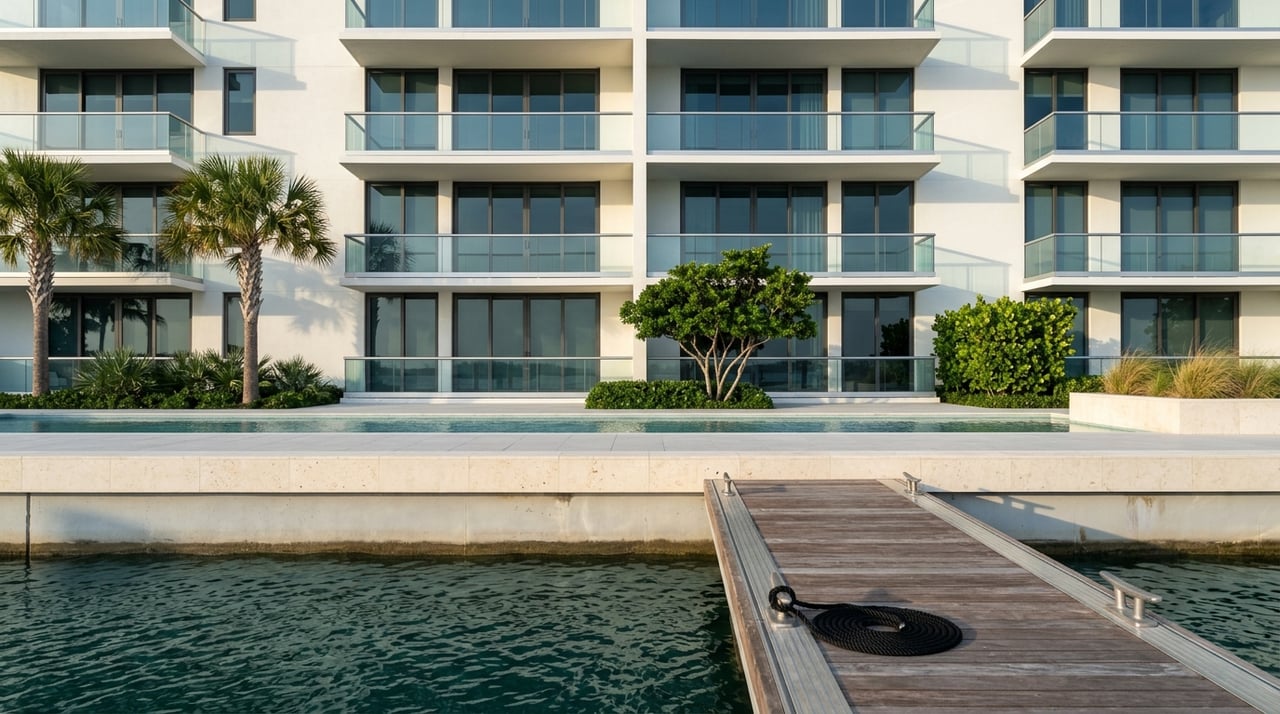
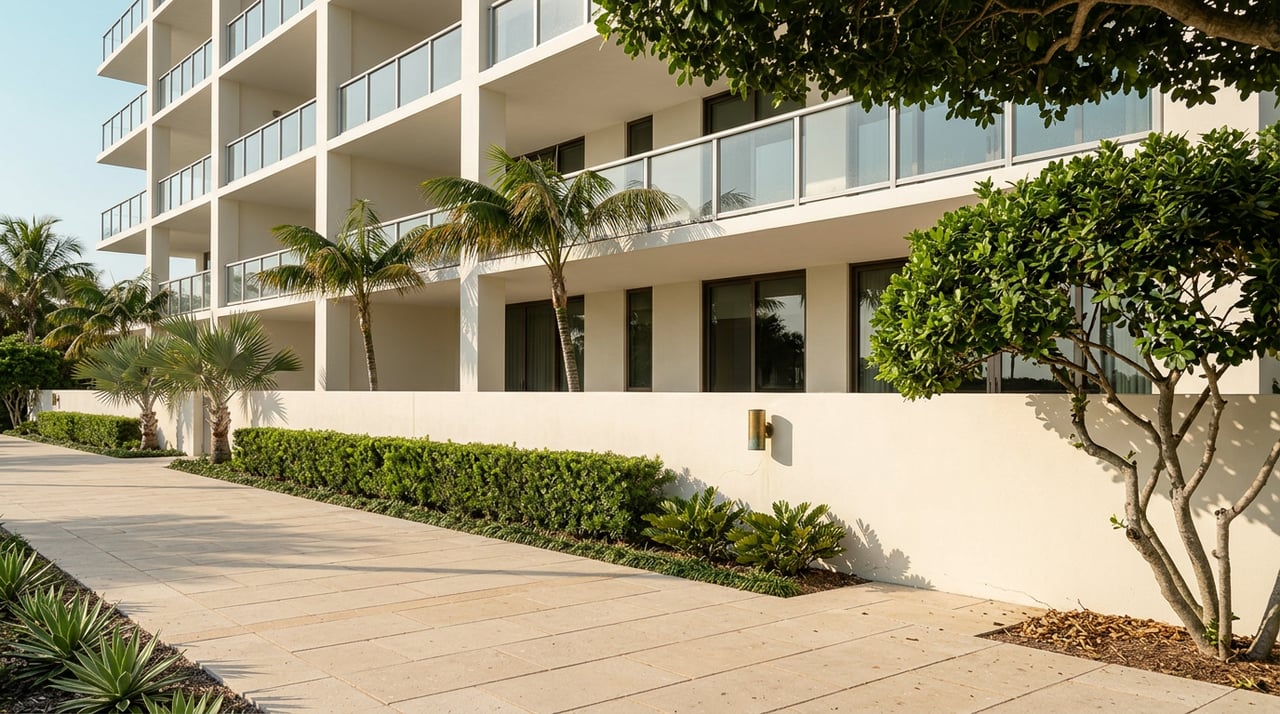
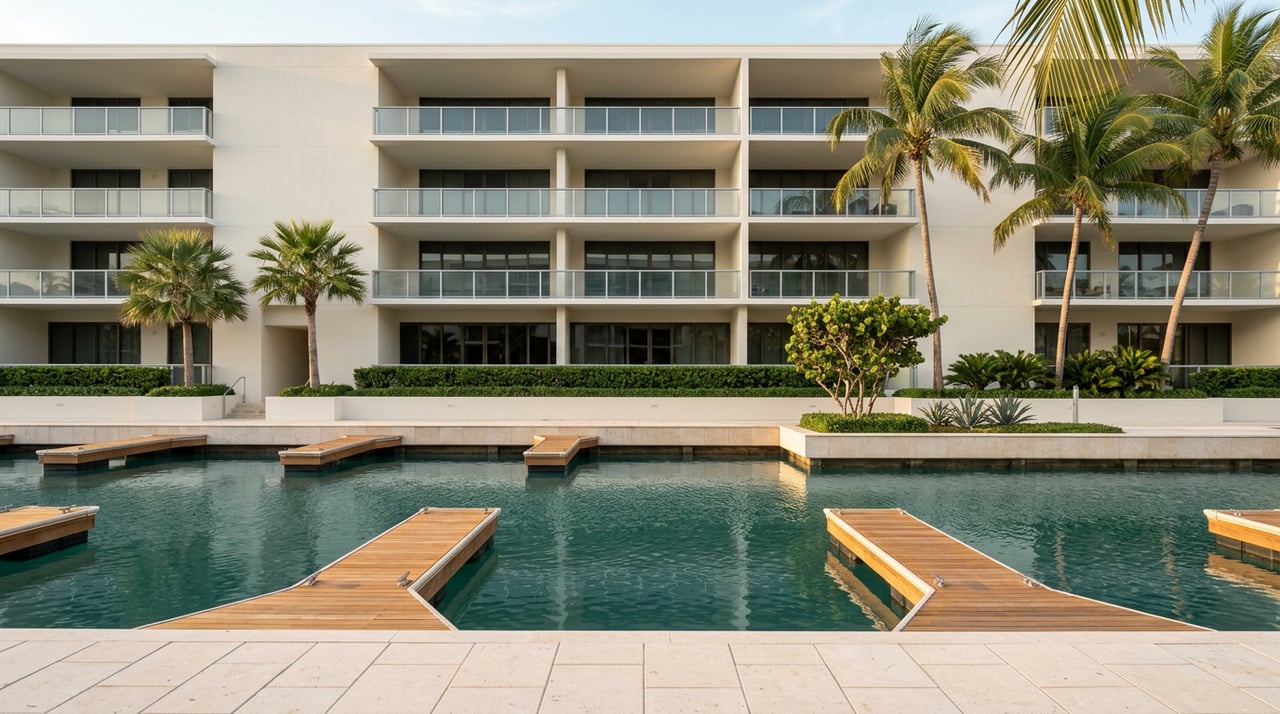
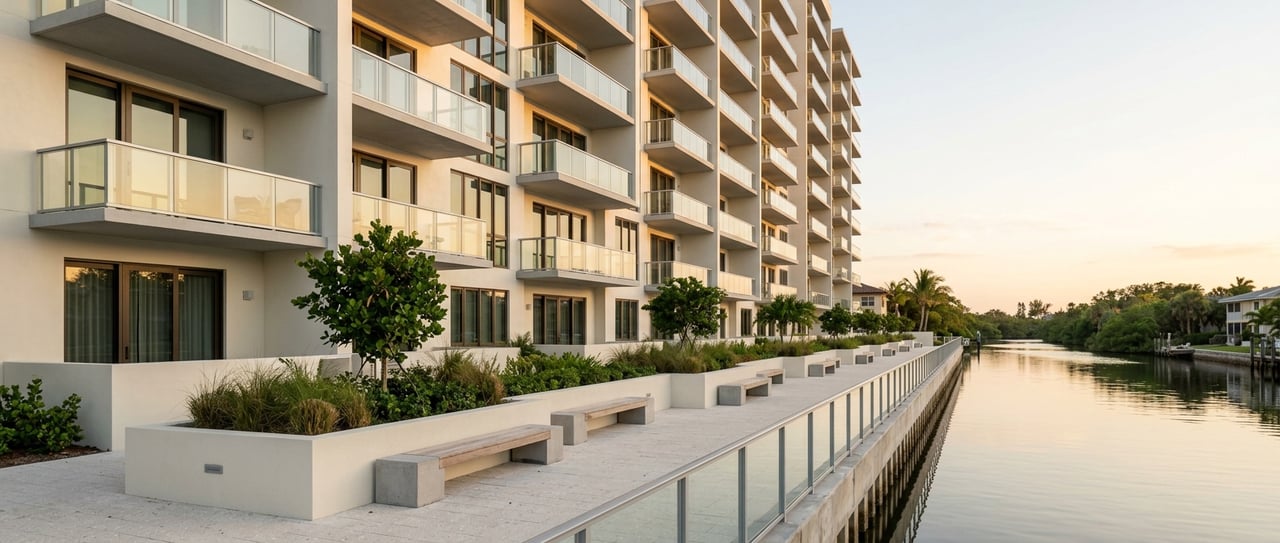
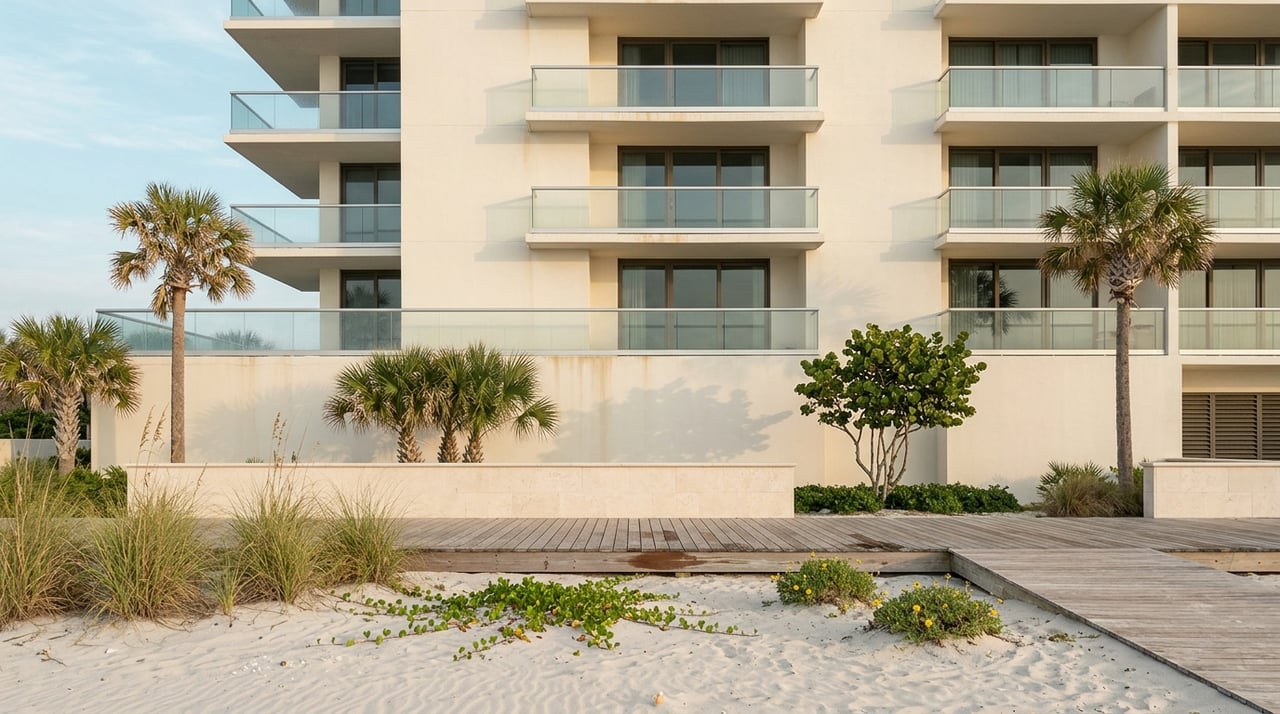
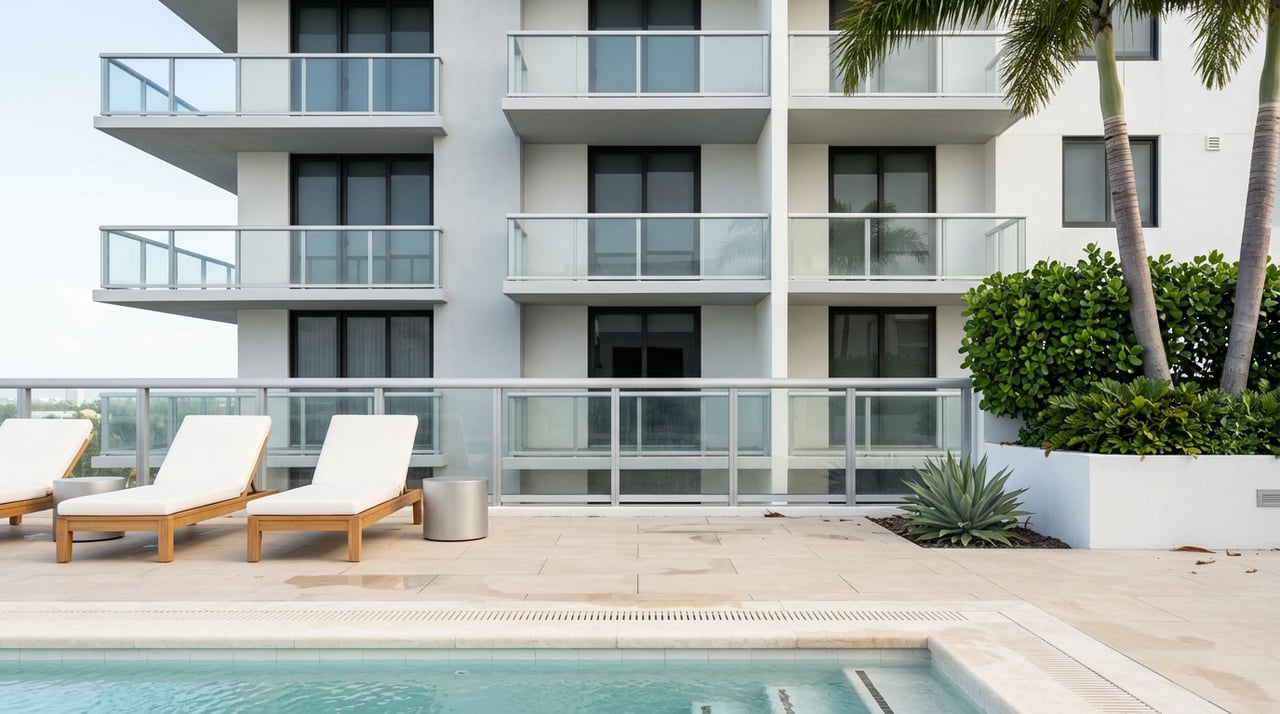
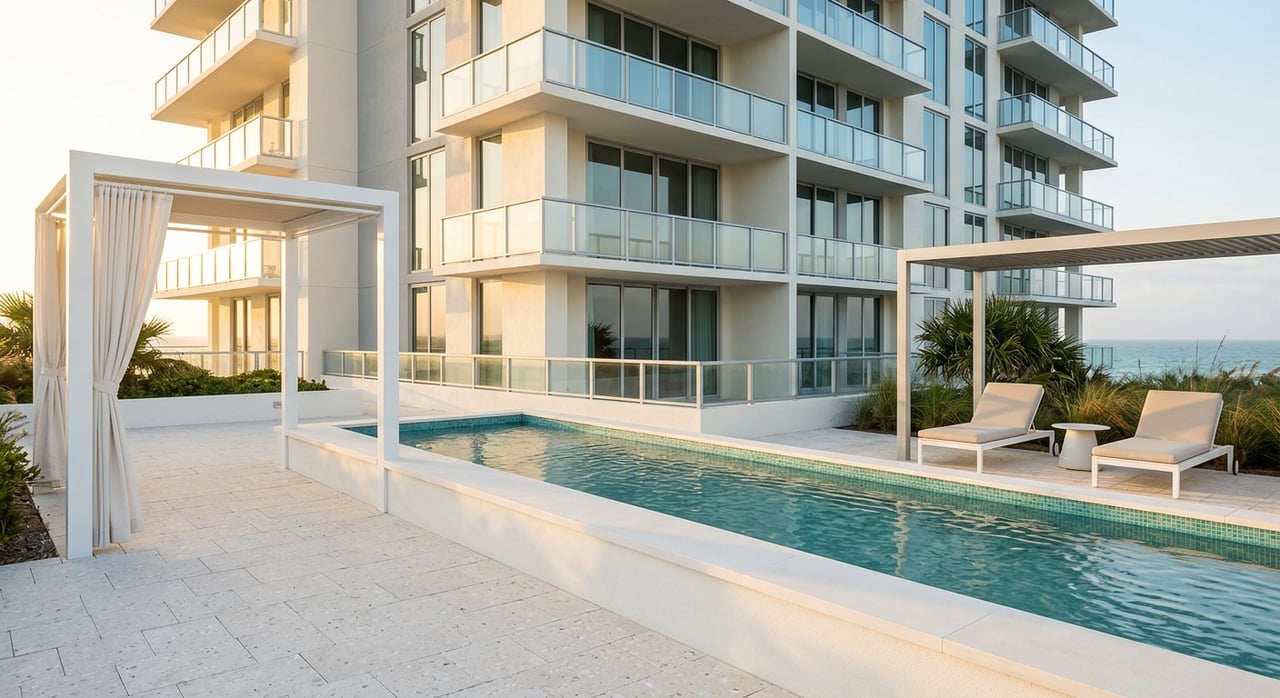
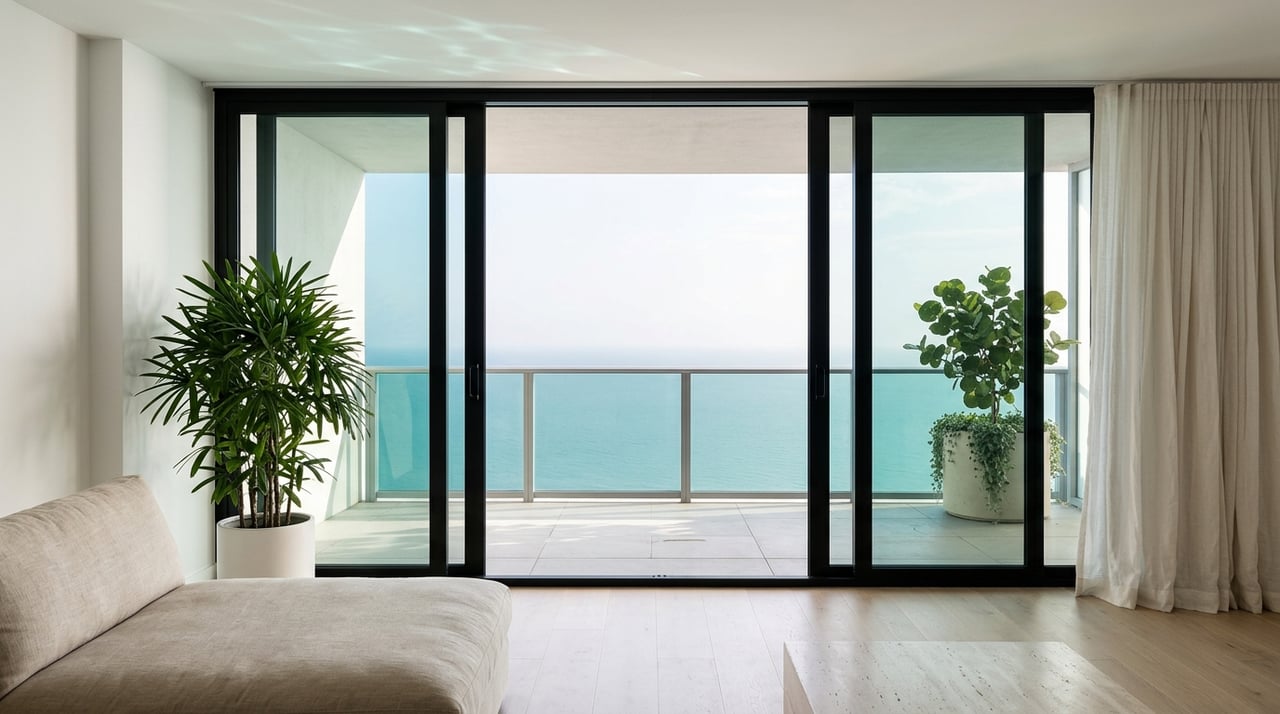
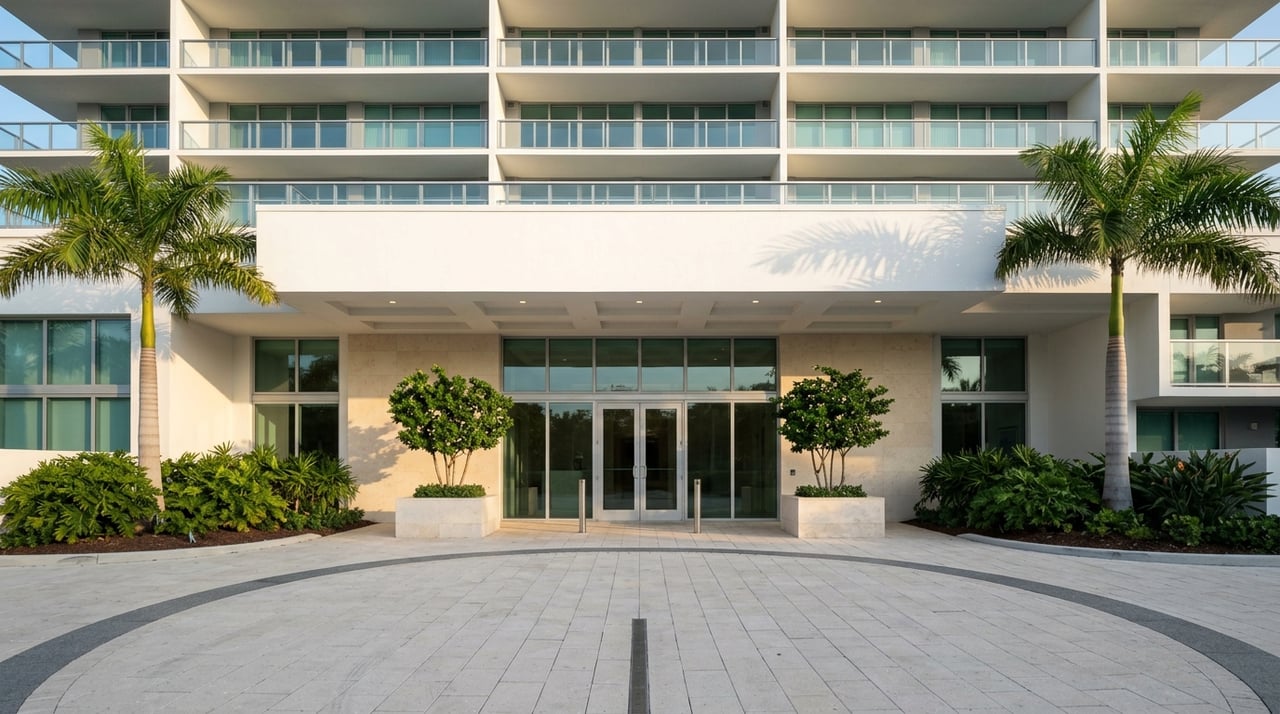
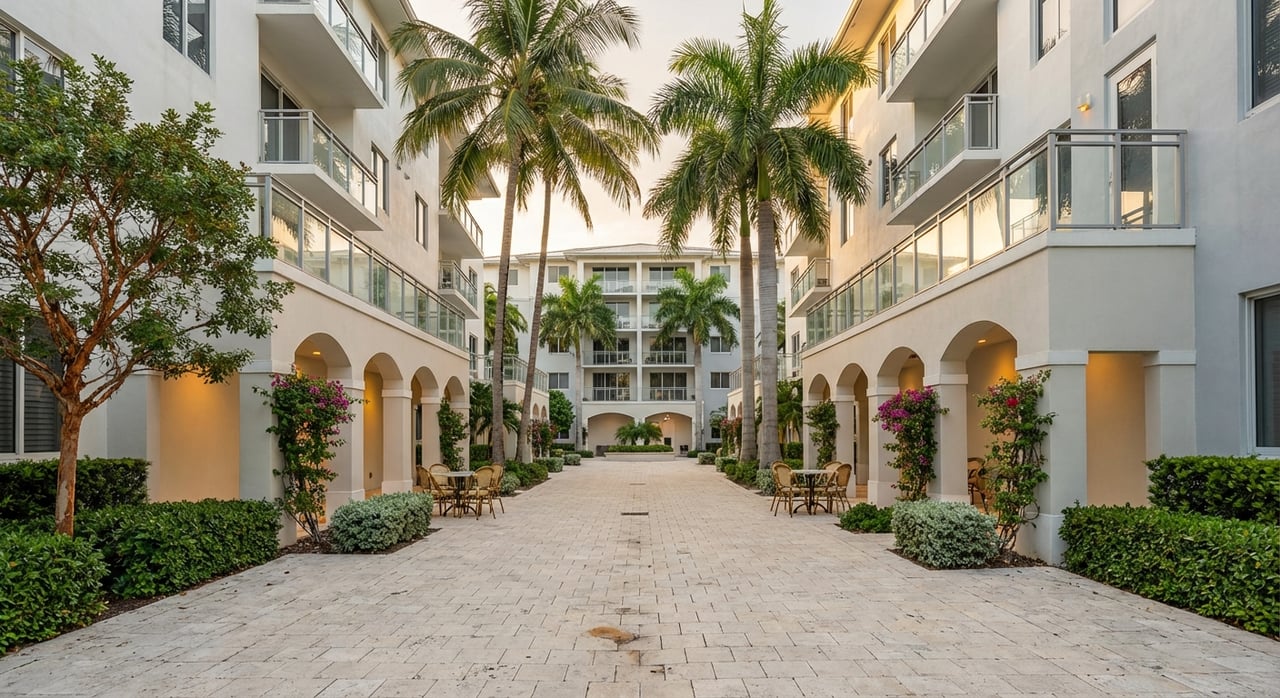
Condominiums are part of the neighborhood’s later urban layer. The historic district documentation states that Hurricane Donna in 1960 created opportunities for multi-family condominiums and motels, marking an important shift in how Old Naples developed. That is why condos belong to a different chapter of the neighborhood’s story than its earliest cottages.
For many buyers, condos offer a very different Old Naples experience. Rather than focusing on lot size, buyers often prioritize building quality, views, ease of ownership, walkability, and beach access. In practical terms, condos can offer entry into Old Naples with a value framework that differs from detached homes.
This distinction matters when you compare pricing and desirability. Detached historic homes and newer estates are often shaped by land scarcity, while condos typically trade on a mix of location, building characteristics, and lifestyle convenience. In a neighborhood with such varied housing types, understanding that difference can help you evaluate opportunities more clearly.
Streets that shape Old Naples identity
Architecture in Old Naples is easiest to understand when you tie it to place. Certain streets and landmarks give you a clearer picture of how the neighborhood evolved and why specific styles feel at home there. This geographic lens is often more useful than broad labels alone.
12th Avenue South and Naples Pier
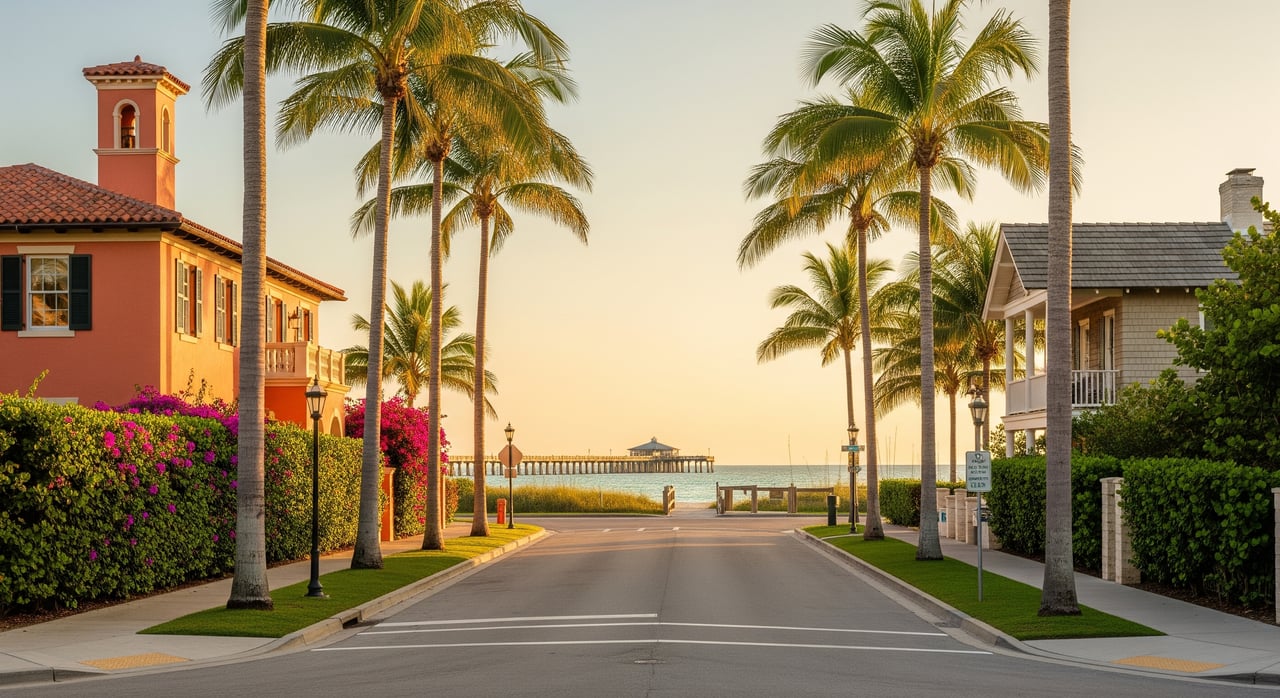
This area offers one of the strongest connections to classic Old Naples. With Historic Palm Cottage on 12th Avenue South and the Naples Pier nearby, you can see how the early beach-adjacent cottage story took shape. It remains one of the most recognizable reference points for the neighborhood’s original character.
Broad Avenue South and nearby avenues
Broad Avenue South, along with 10th through 13th Avenues South and Gulf Shore Boulevard South, helps map the historic district’s contributing properties. If you want to study architecture block by block, these are some of the most useful corridors. They show how cottages and later development layers coexist within a relatively compact area.
Third Street South
Third Street South describes itself as the birthplace of Naples and sits two blocks from the Naples Pier and the Gulf. It is one of the best places to understand Old Naples as both a residential and historic downtown district. Original beach cottages and houses remain part of the area’s identity, even as the street functions as a lively local destination.
Fifth Avenue South and Cambier Park
Fifth Avenue South has long been described as Naples’ unofficial Main Street and the heart and soul of the city. Along with Cambier Park, it gives Old Naples a walkable downtown dimension that shapes how buyers experience the neighborhood. For many properties, proximity to these anchors supports lifestyle appeal in ways that go beyond architecture alone.
How style influences value
Old Naples pricing varies widely, and public market data reflects that spread. Realtor.com currently shows a median listing price of $1.695 million, 386 homes for sale, a median price per square foot around $1,000, and a 95% sale-to-list ratio, while Redfin reports a median sale price of about $1.30 million over the three months ending April 2026. The gap is a reminder that listings, closed sales, and sub-area comparisons can tell different stories.
The bigger takeaway is that architecture works together with location rather than in isolation. In Old Naples, value is often pushed higher by beach-adjacent land, larger lots, intact historic character, and walkability to places like Third Street South and Fifth Avenue South. Condos and inland properties usually trade differently because they are not driven by the same lot-value dynamics as detached homes near the beach.
If you are evaluating a property here, it helps to ask a few simple questions:
- Is the appeal tied to original historic character?
- Does the lot contribute meaningful long-term value?
- How close is the home to the beach, Third Street South, or Fifth Avenue South?
- Is the property part of the cottage era, the mid-century layer, a newer rebuild, or the condo chapter?
- Are you paying more for architecture, land, walkability, or a combination of all three?
Why this matters if you are buying or selling
Old Naples is easy to admire, but harder to assess without context. Two homes may sit only blocks apart and still draw value from very different factors. One may trade on historic authenticity, another on lot potential, and another on turnkey coastal luxury.
That is why architectural context matters so much in this neighborhood. It helps buyers understand what they are really purchasing, and it helps sellers position a home with more precision. In a market as layered as Old Naples, thoughtful property storytelling is often just as important as the address itself.
Whether you are considering a preserved cottage, a mid-century home, a newly built coastal estate, or a well-located condo, the strongest decisions usually come from understanding how each property fits into the neighborhood’s long evolution. For discreet guidance on architecturally significant and coastal properties in downtown Naples, contact James Bates for a private consultation.
FAQs
What architectural style is most common in Old Naples?
- The most common historic style in Old Naples is Frame Vernacular, which National Park Service documentation identifies as 31 of the 65 contributing properties in the district.
Where can you see classic cottage architecture in Old Naples?
- Some of the clearest examples are around 12th Avenue South, Broad Avenue South, 10th through 13th Avenues South, Gulf Shore Boulevard South, and near Historic Palm Cottage by the Naples Pier.
Are mid-century homes part of Old Naples history?
- Yes. The postwar layer in Old Naples includes late Craftsman bungalows, Minimal Traditional homes, Ranch houses, and other homes that help connect the early cottage era to later redevelopment.
How do condos fit into the Old Naples story?
- Condos are part of Old Naples’ later development pattern, with historic documentation noting that Hurricane Donna in 1960 created opportunities for multi-family condominiums and motels.
Does architecture affect home value in Old Naples?
- Yes, but usually alongside other factors such as beach adjacency, lot size, walkability, intact historic character, and whether the property is a detached home or condo.