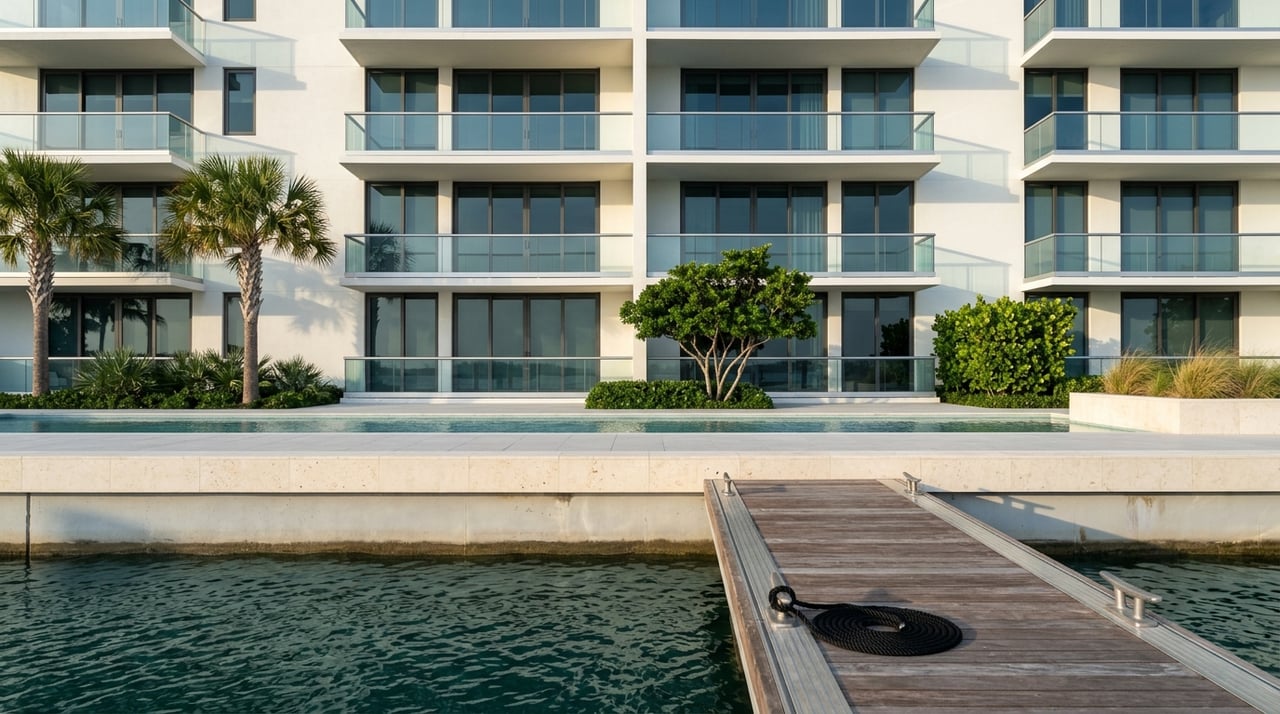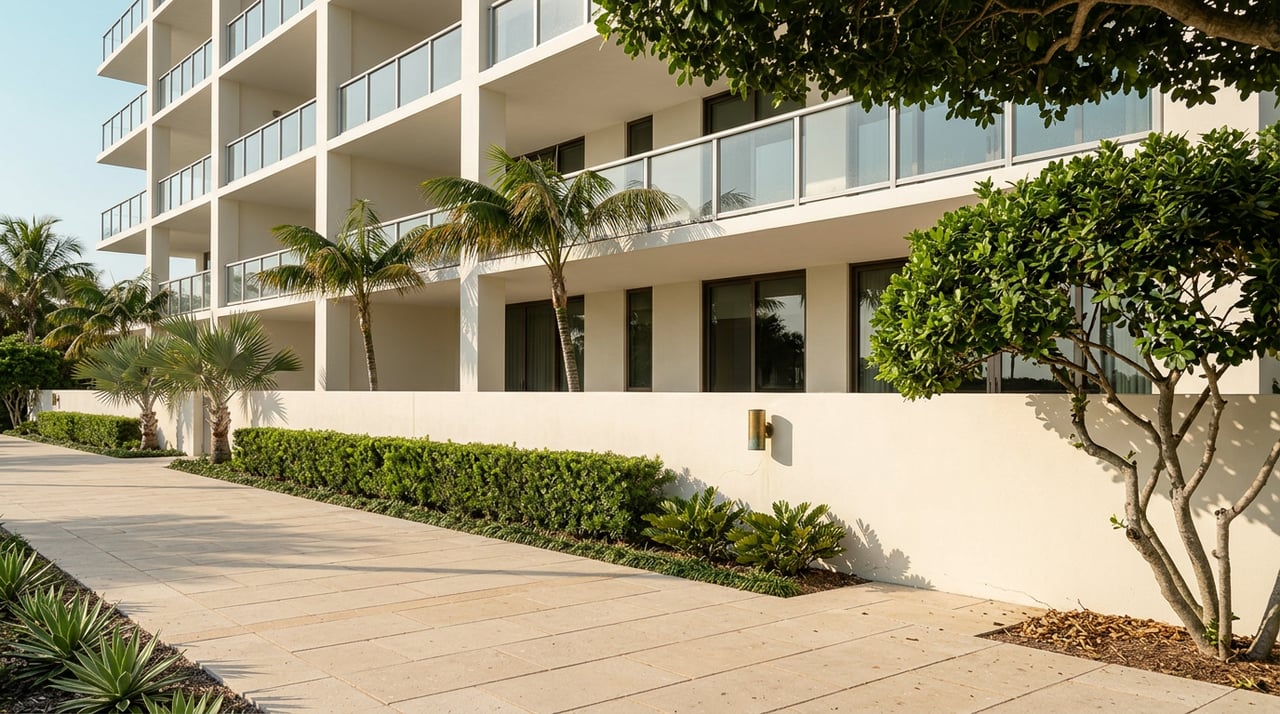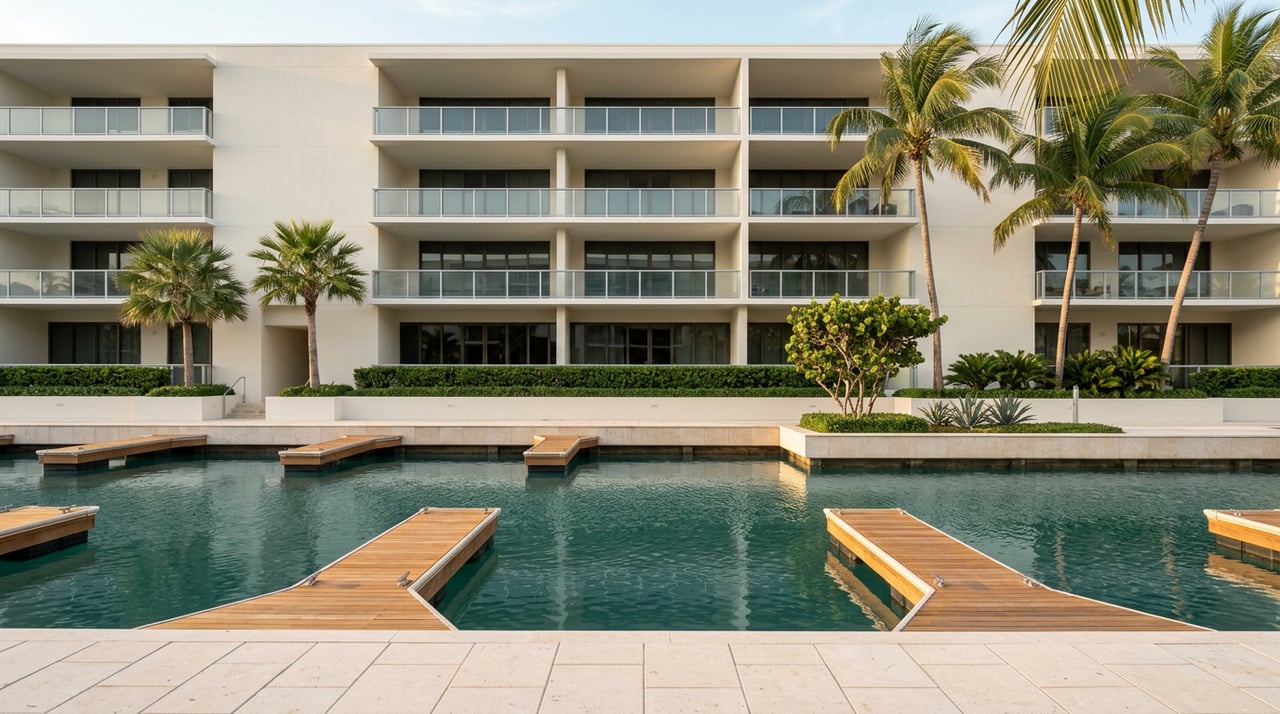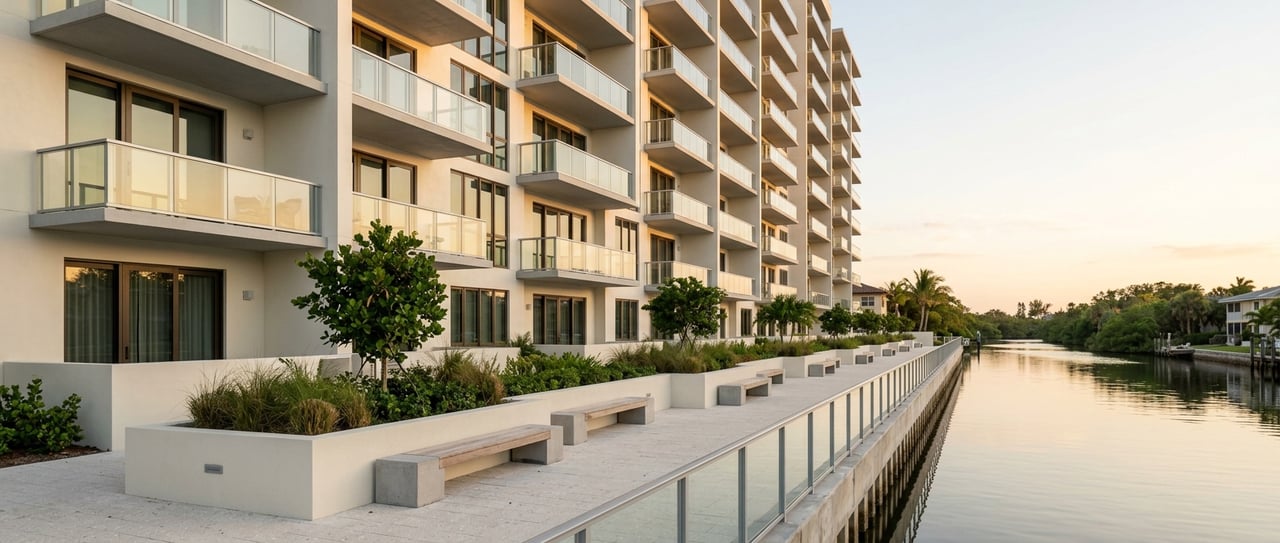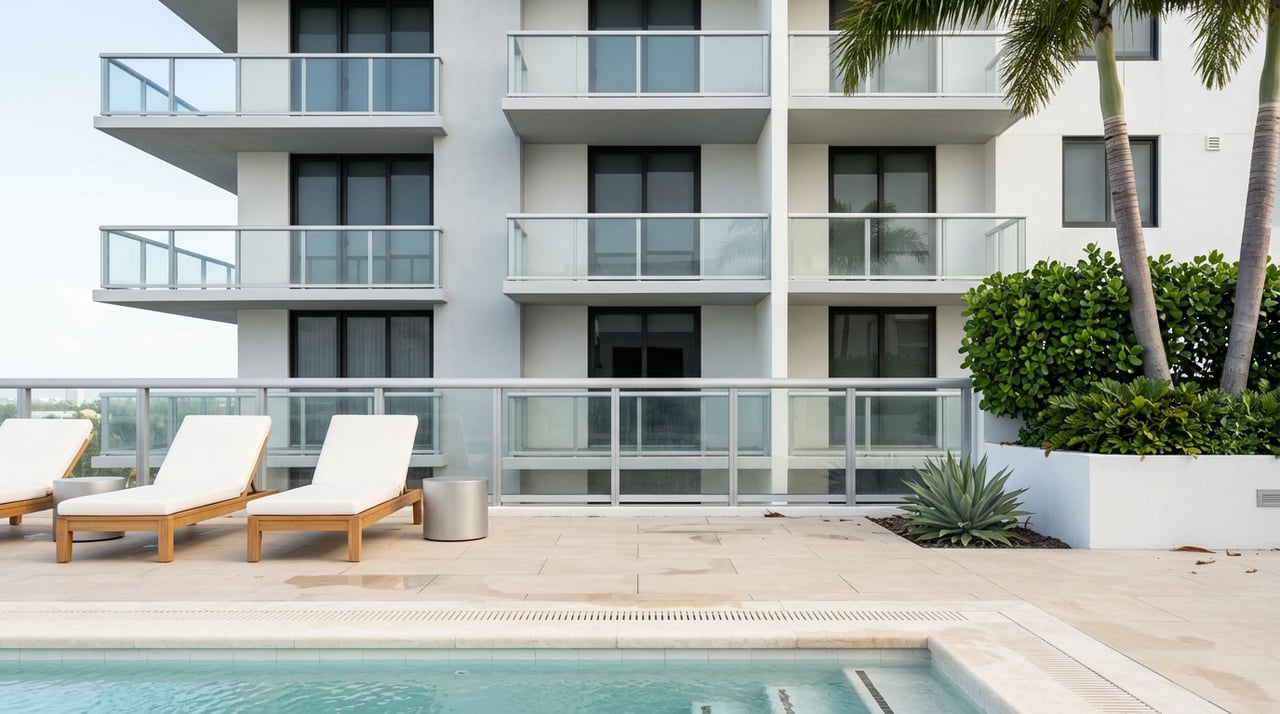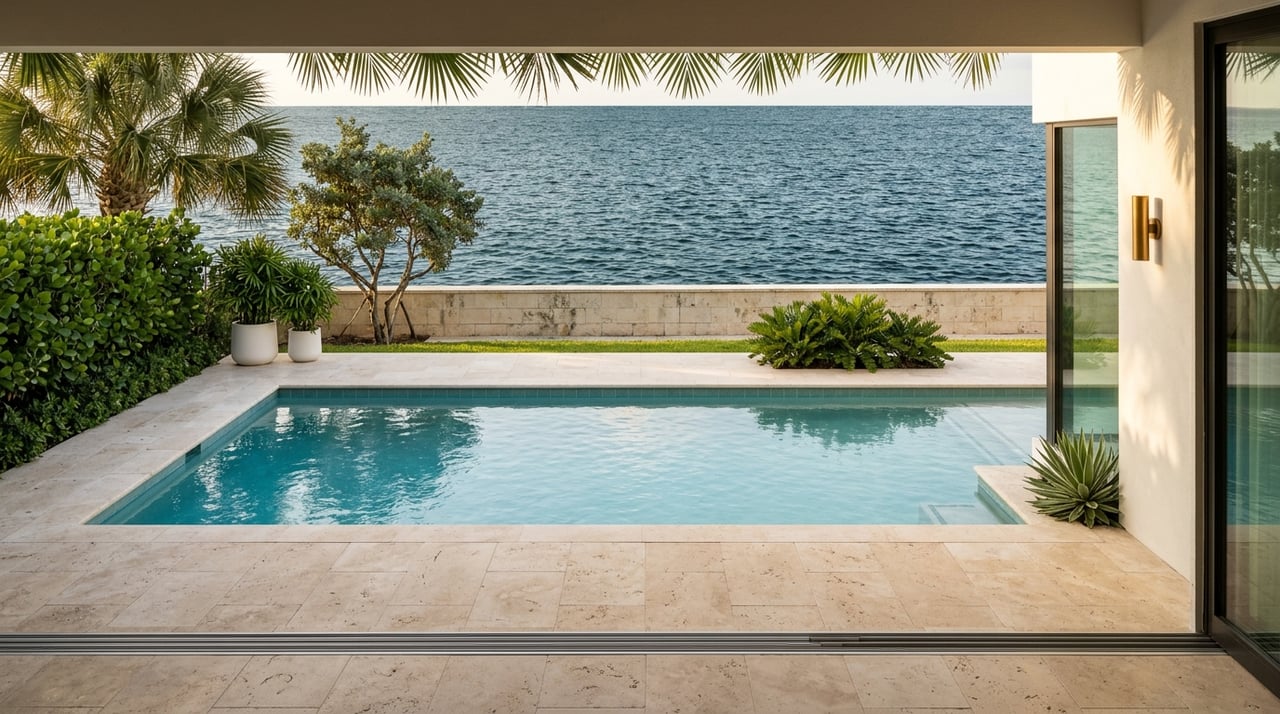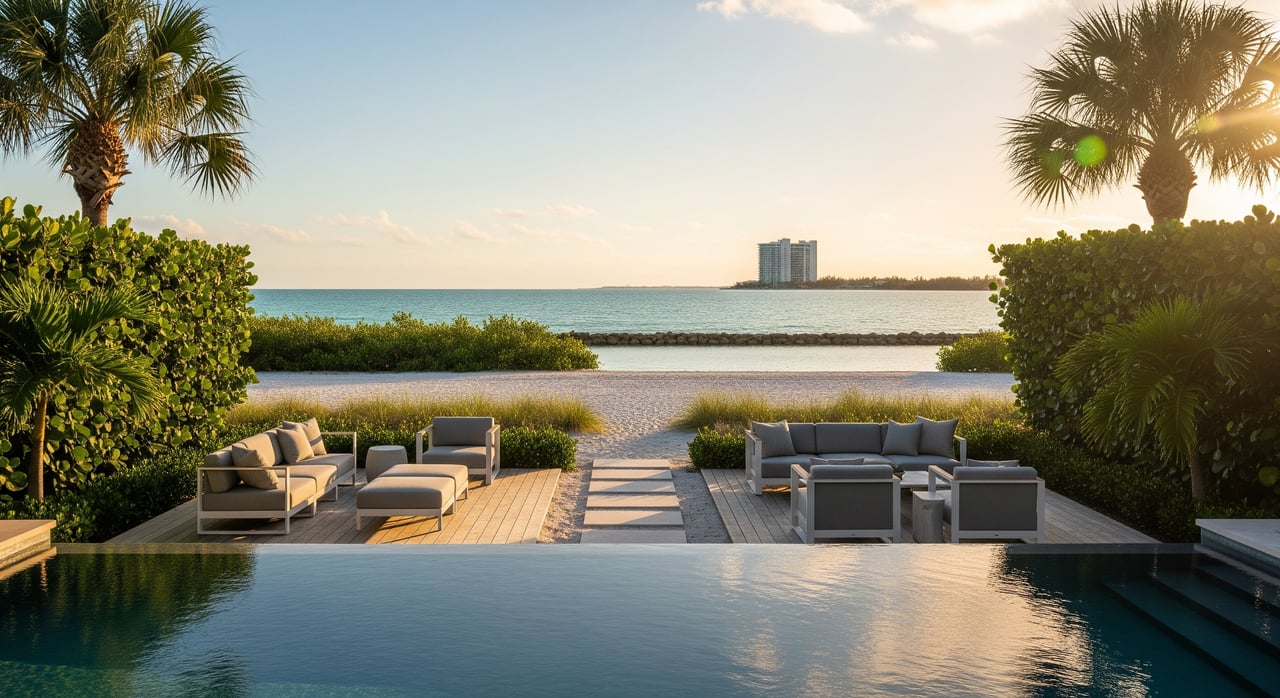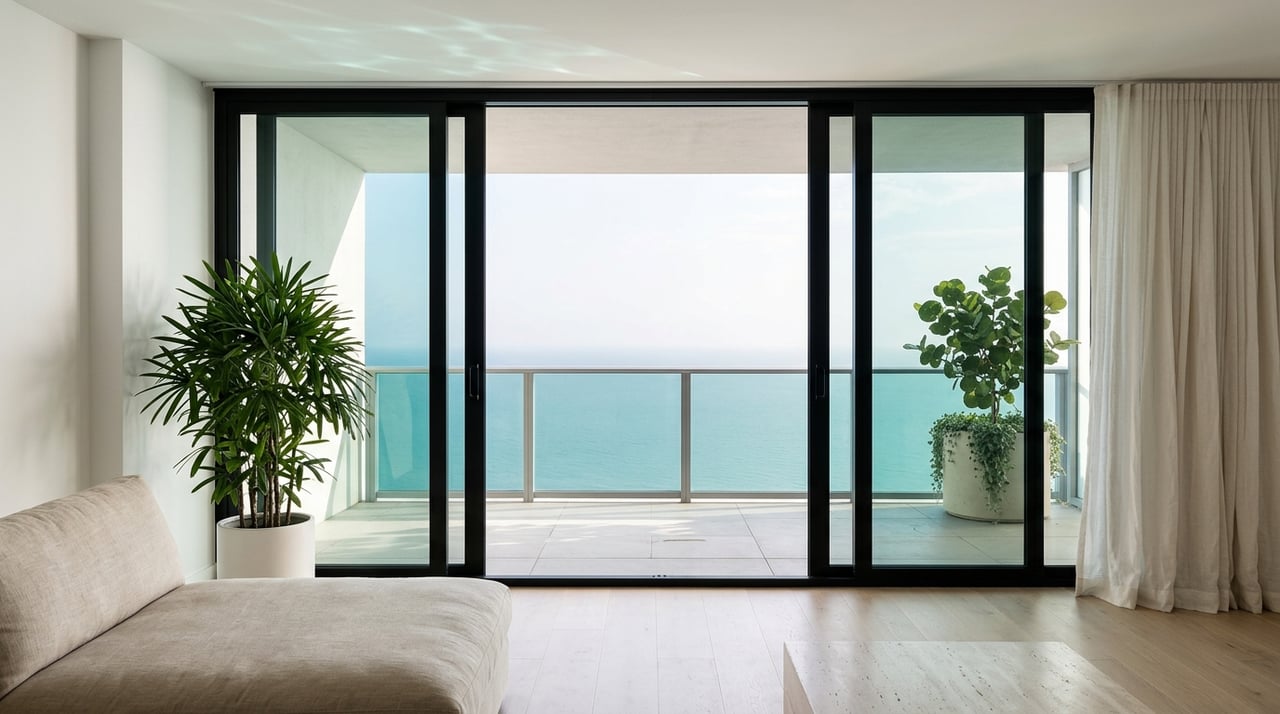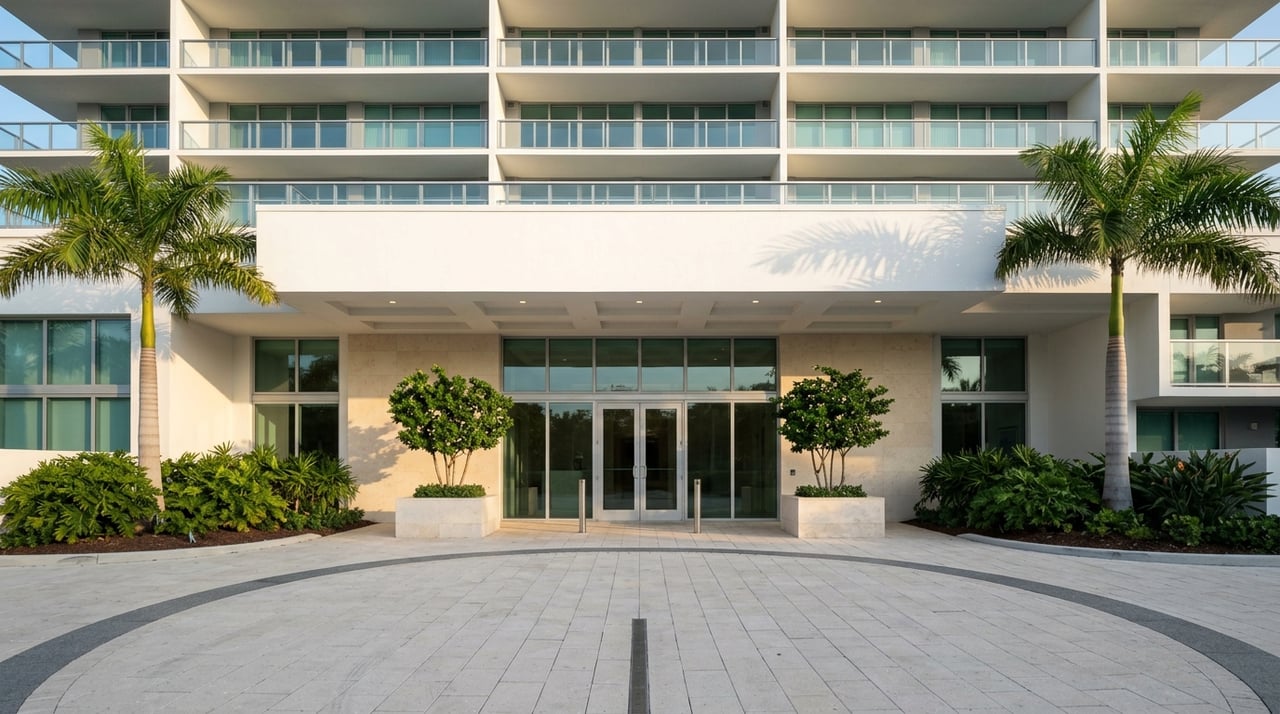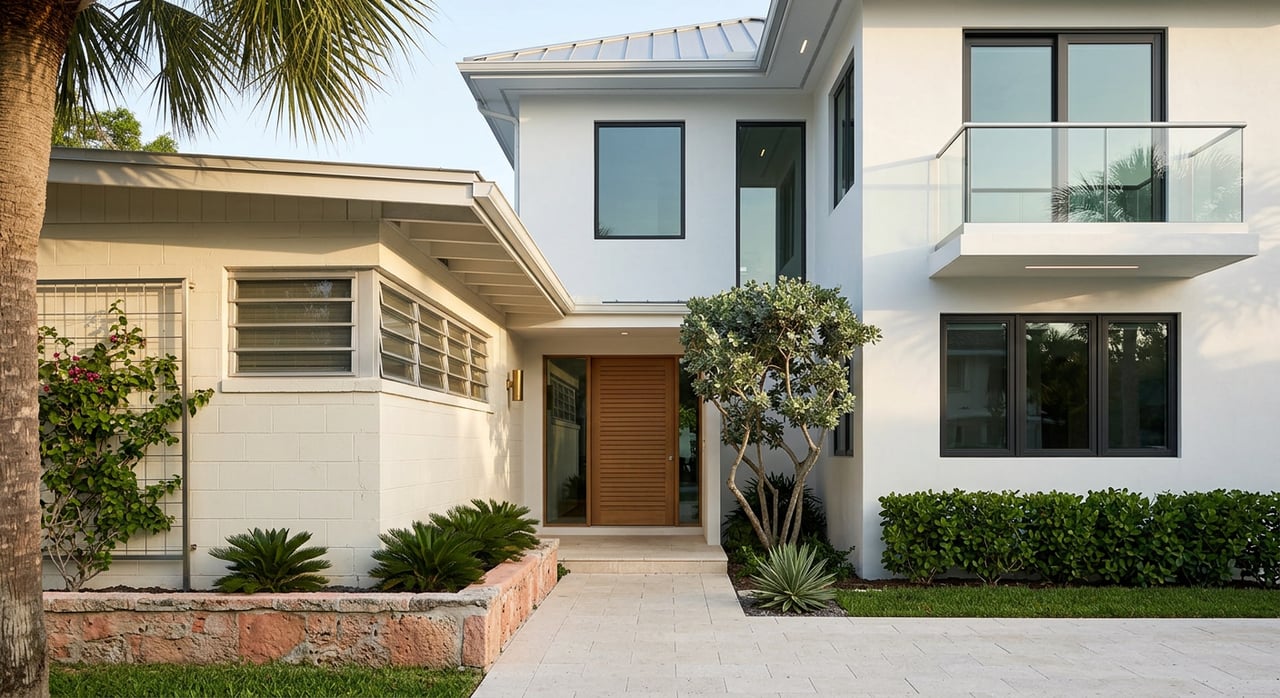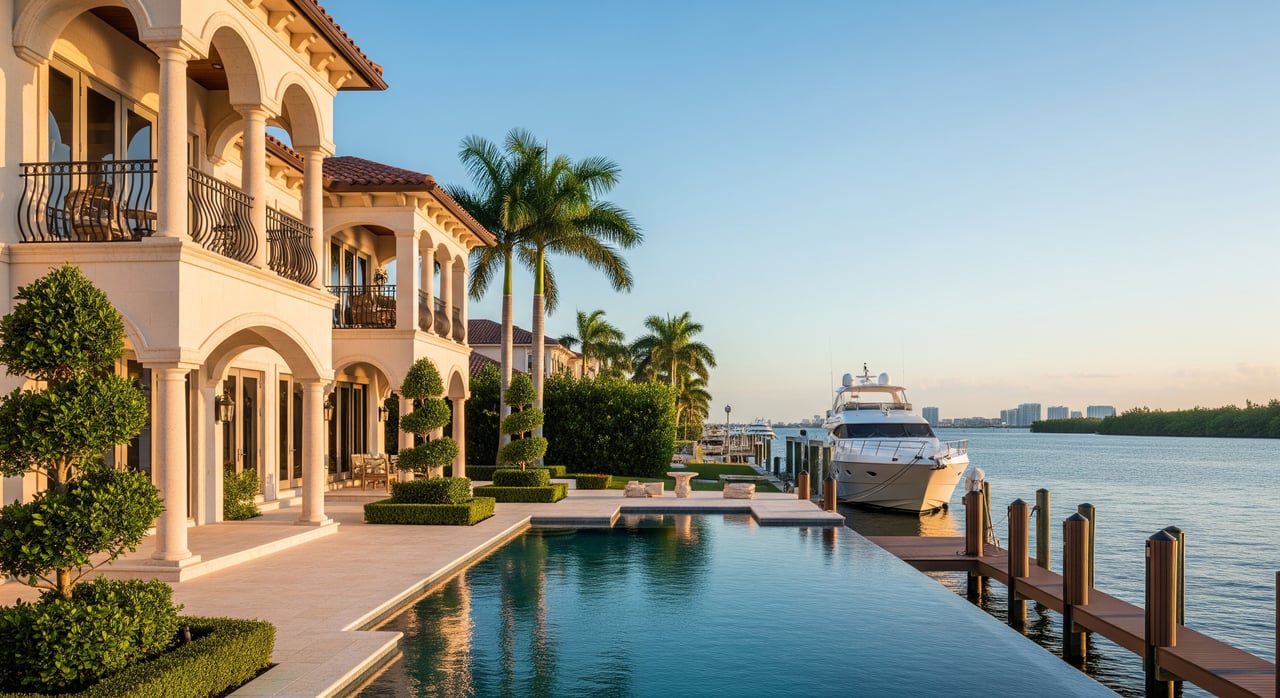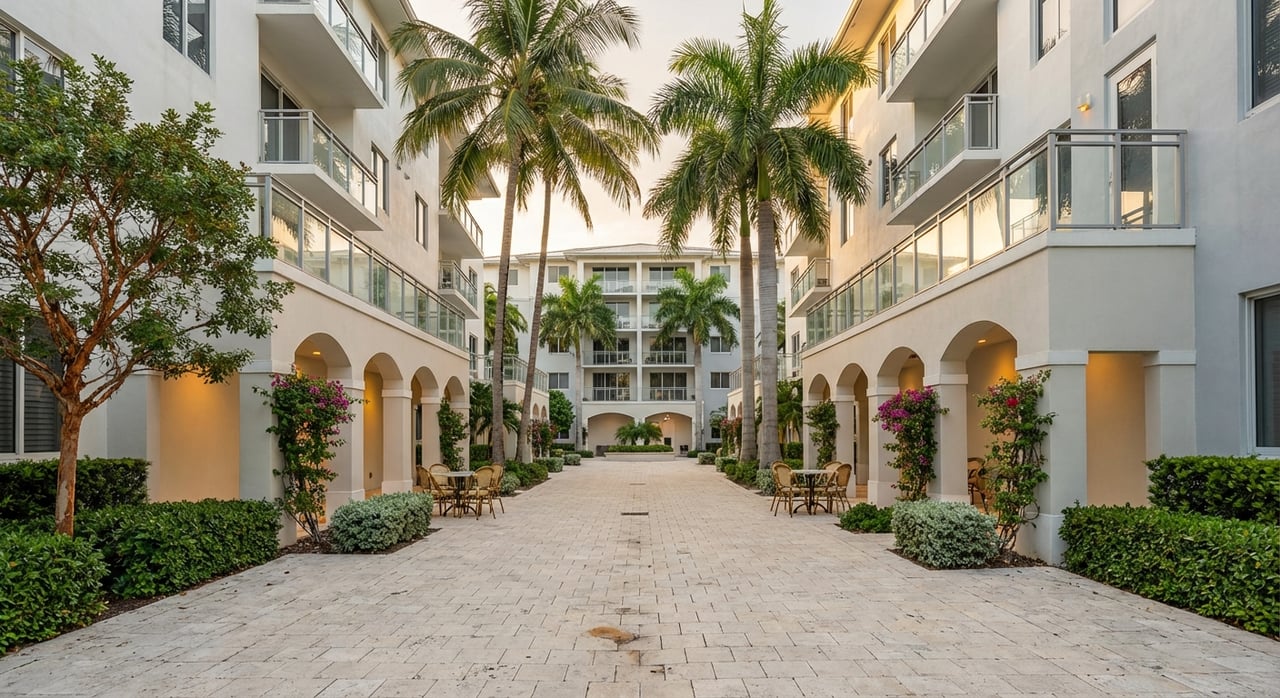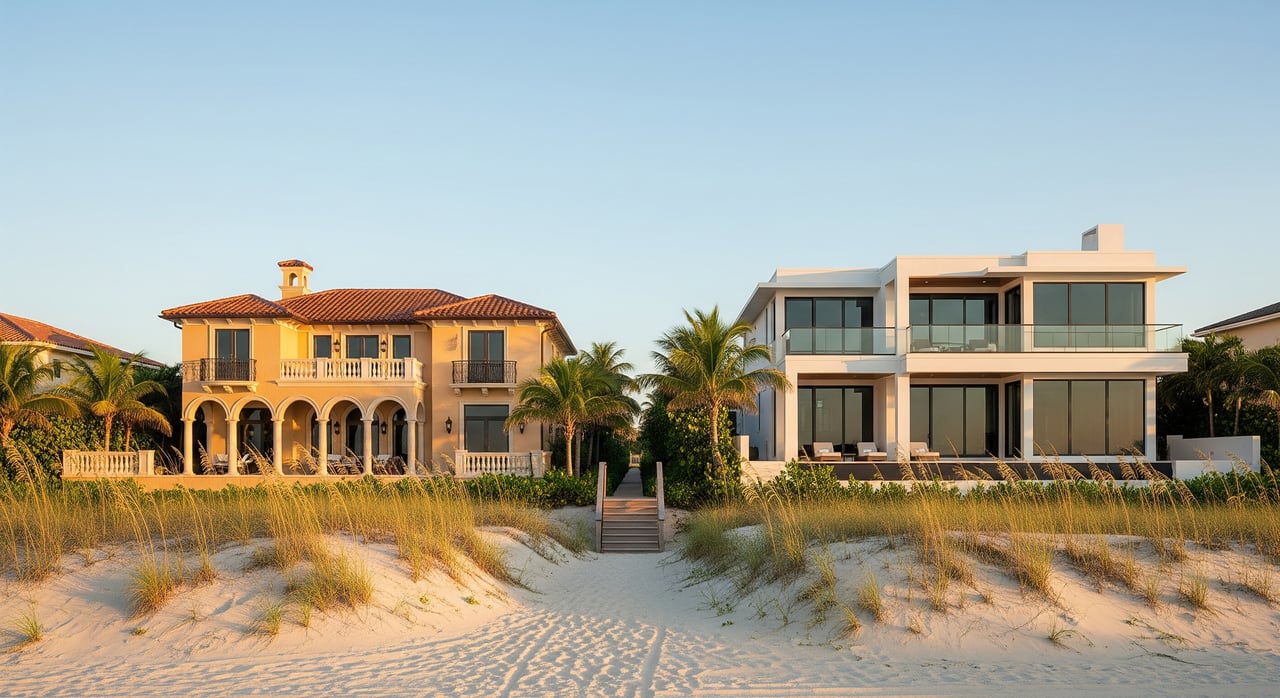
Two Pelican Bay condos list at the same price this month. Same square footage, same tram stop, same walk to the beach pavilion. The buyer's agent pulls comparable sales and they look identical on paper. Then the estoppel packages arrive, and the two closings stop looking anything alike.
That gap did not exist a few years ago in the same way. It exists now because Florida's post-Surfside condo law finally came due. The deadline to complete a Structural Integrity Reserve Study passed on December 31, 2025. As of the 2026 budget year, associations can no longer vote to waive or underfund the reserves that study identifies. For a buyer or seller closing in Pelican Bay this fall, that single change means the price on the listing sheet tells you almost nothing about what you are actually walking into.
The Law That Just Stopped Bending
Florida passed Senate Bill 4-D in 2022 after the Champlain Towers South collapse in Surfside, then refined the rules with Senate Bill 154 in 2023 and House Bill 913, effective July 1, 2025. The mechanics are specific. Any residential condominium building three or more habitable stories tall must complete a Structural Integrity Reserve Study, an engineer-verified report covering eight components: roof, load-bearing structural elements, fire protection, plumbing, electrical systems, waterproofing, windows and exterior doors, and any other item whose failure would affect those systems and whose replacement cost clears a threshold the state adjusts annually, set at roughly $25,675 for 2026.
Existing owner-controlled associations had until December 31, 2025 to finish that study. Buildings coordinating a required milestone inspection due by the end of 2026 get a narrow extension, but that exception does not apply broadly. For everyone else, the study is done or the association is out of compliance. And the part that changes a buyer's math more than the study itself: for budgets adopted under the current rules, boards can no longer put reserve funding to an owner vote and waive it. The deferred-maintenance era, where a board kept dues low for a decade by voting down full reserves, is closed. You can read the state's own summary of the inspection and reserve requirements directly from Florida's Division of Condominiums, Timeshares and Mobile Homes.
That is the backdrop. Here is why it lands differently depending on which Pelican Bay address you are looking at.
Ninety-Five Associations, One Zip Code
Pelican Bay is not a single homeowners association with a single condo product. It is a master-planned community of roughly 6,500 residences organized under about 95 separate condominium and residential associations, each with its own board, budget, staffing model, and now its own SIRS timeline. The Pelican Bay Foundation sits above all of it as the master association, and its numbers are the same no matter which building you buy into. For the 2026 fiscal year, the Foundation's annual assessment runs about $3,295 per assessable unit, close to $275 a month, and every buyer also owes a one-time $10,000 capital resale assessment at closing, payable regardless of which tower or low-rise the unit sits in.
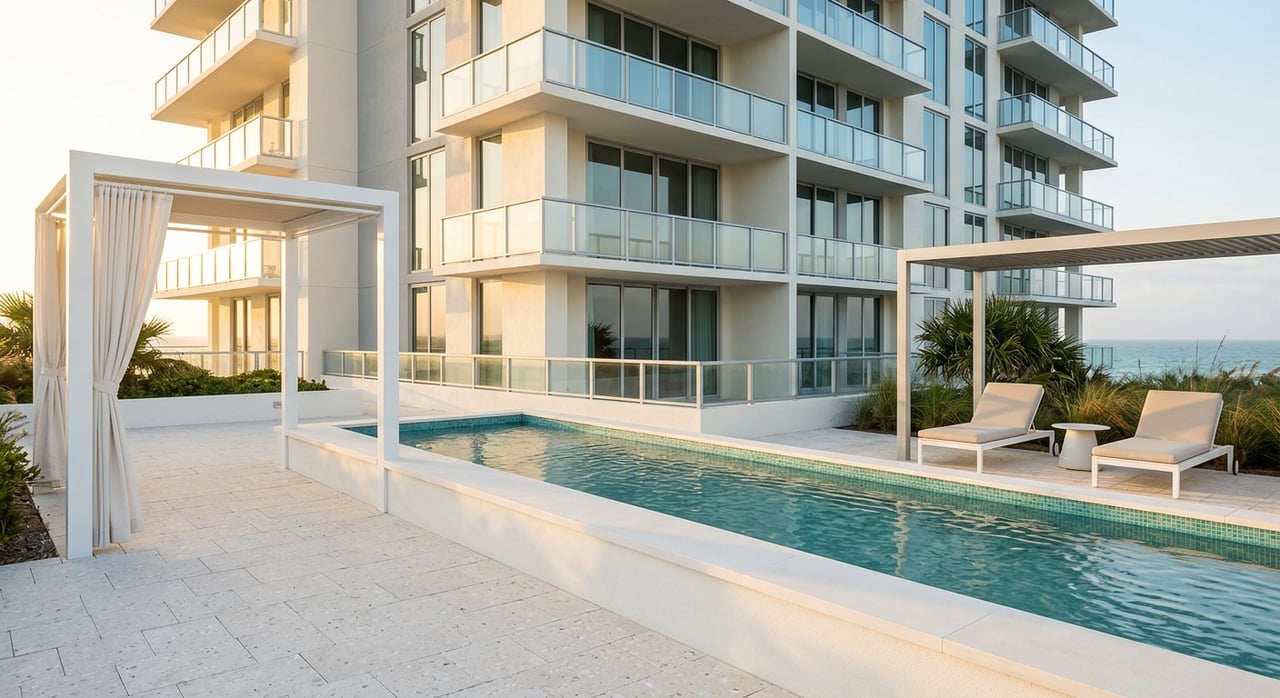
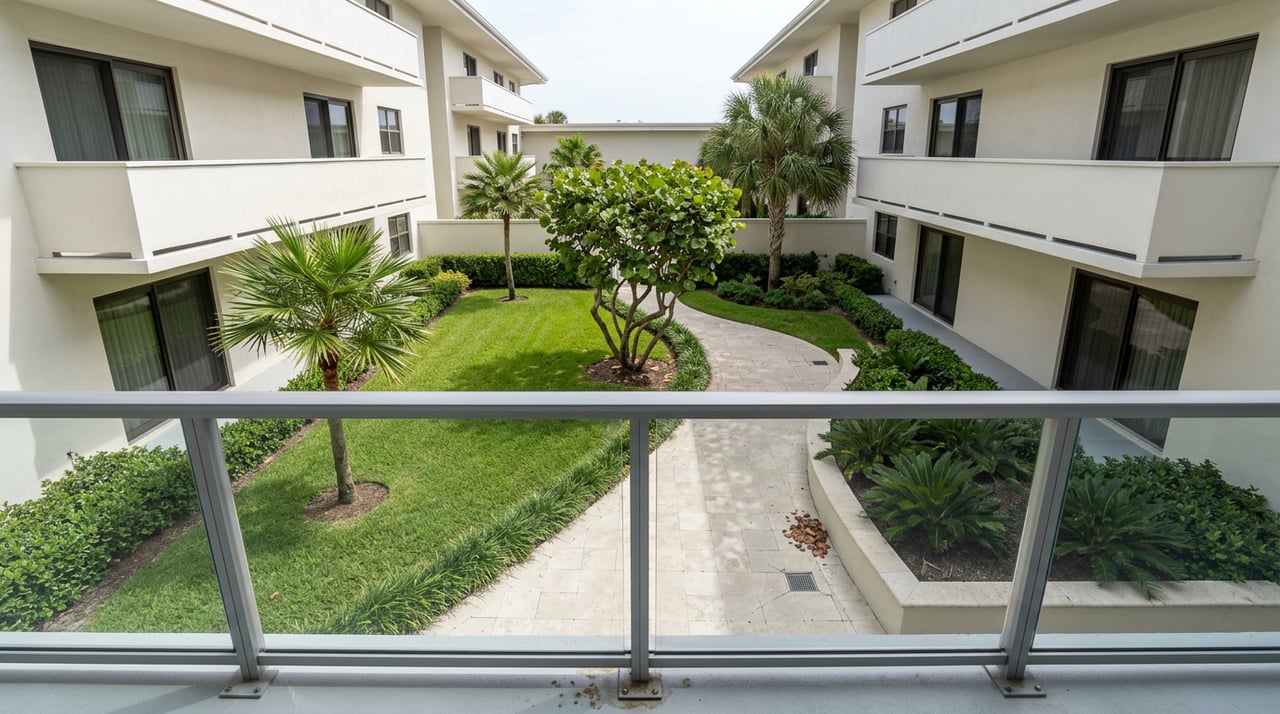
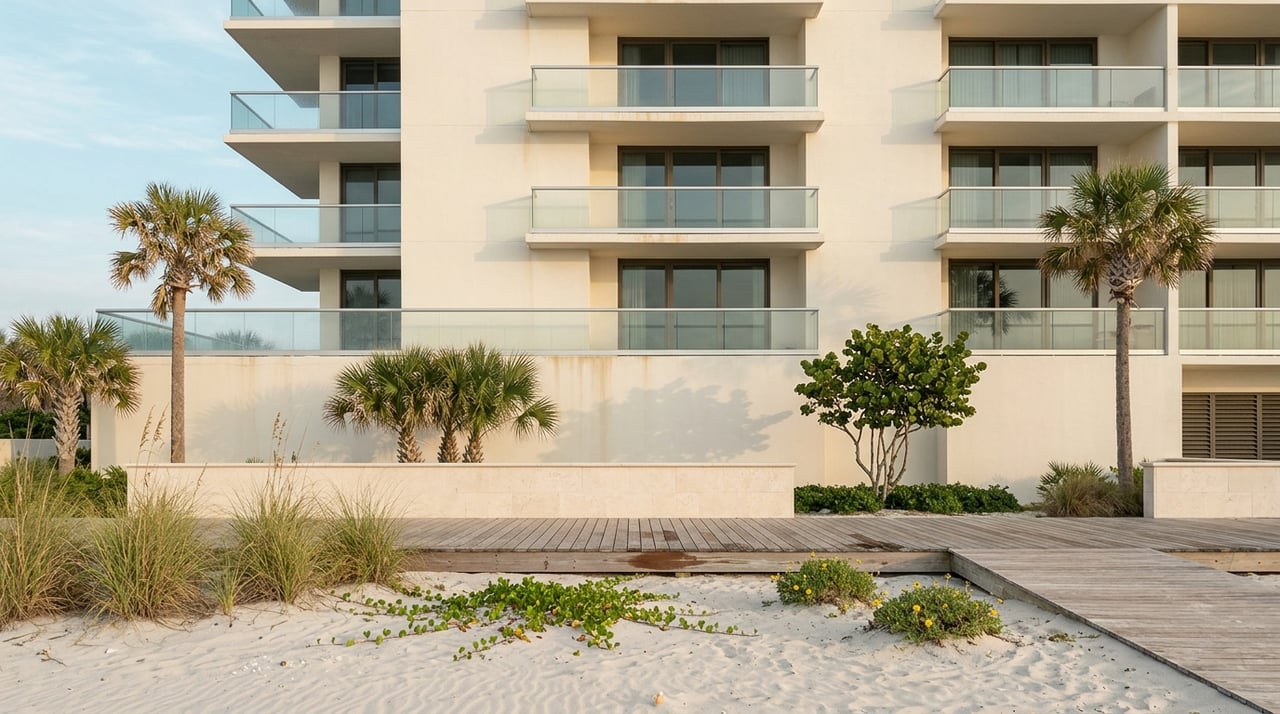
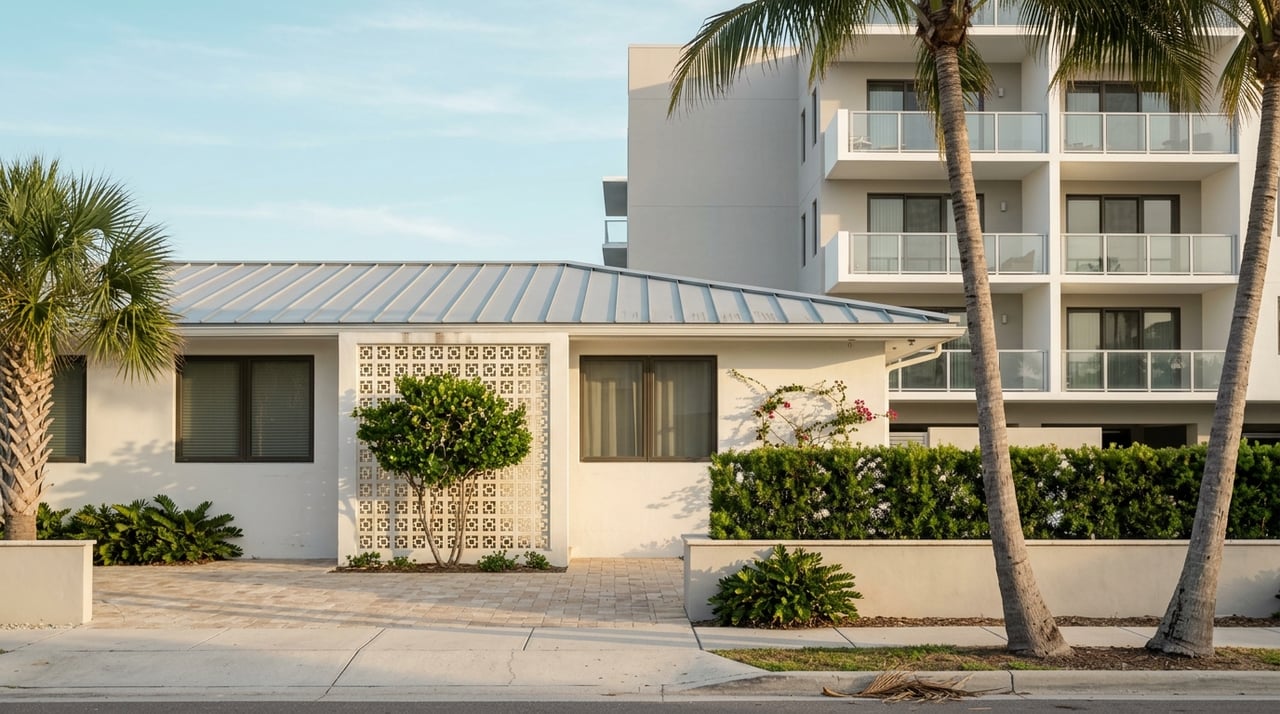
What is not the same across those 95 associations is everything below that master line. Consider the range of building types inside the community. A full-service tower like Marbella runs a concierge model with formal and informal dining rooms, room service, and an on-site beauty and barber shop, the kind of staffing that shows up in monthly dues whether or not a given owner uses any of it. A boutique low-rise like Serendipity, with 66 Gulf-side units and its own pool and clubhouse, carries a leaner operating scope. Calais, with 131 residences and its own board, sets a budget built around a different service level entirely. The Stratford, a 22-story tower of 81 residences at the community's southern edge, operates with the staffing and reserve profile of a high-rise even though it is a fraction of the size of some neighboring buildings.
Different buildings, different ages, different reserve histories. That is exactly the variable the new law forces into daylight.
What the Foundation Charges the Same Way, What Your Building Doesn't
| Charge | Set by | Why it varies by building |
|---|---|---|
| Foundation annual assessment | Pelican Bay Foundation | Fixed per assessable unit, roughly $3,295 for FY2026 |
| Capital resale assessment | Pelican Bay Foundation | Flat $10,000, buyer-paid at closing, same across the community |
| Pelican Bay Services Division tax | Collier County taxing district | County-wide, funds streetlighting, stormwater, and community-wide beautification |
| Building HOA dues | Each association's board | Reflects staffing, amenities, and building age, from lean low-rise to full-service tower |
| SIRS funding status | Each building's engineer-verified study | Some boards funded reserves years ago, some raced to the December 2025 deadline |
| Special assessment risk | Each building's reserve history | Direct result of whether a board kept structural reserves current before the waiver option disappeared |
The top three rows are the same no matter which Pelican Bay address is on the contract. The bottom three are where the actual risk lives, and none of it shows up in a listing photo or a per-square-foot comparison.
What Should Be Sitting in Your Estoppel Package Right Now
Florida disclosure law already required sellers to hand over a condominium's declaration, bylaws, budget, and financial statements before a resale closes. What changed is that the SIRS itself, or a written statement that none exists, and any applicable milestone inspection summary now belong in that same packet as a matter of course, since a building that skipped the study is no longer a quiet possibility, it is a compliance gap a buyer's attorney should be able to spot on sight.
Before an inspection contingency expires on a Pelican Bay unit this fall, ask for:
- The building's most recent SIRS report, or the association's written confirmation that one has not been completed.
- A milestone inspection summary, if the building has reached the 25-year coastal threshold or the 30-year general threshold for its age.
- The reserve funding percentage the SIRS actually produced, not just the current reserve account balance.
- Board meeting minutes from the last 12 to 24 months, specifically any vote on a special assessment, loan, or line of credit tied to structural work.
- Confirmation of when the current operating budget was adopted, since budgets adopted under the newer rules can no longer waive structural reserve funding.
- The estoppel certificate itself, confirming whether assessments are current and disclosing any special assessment already levied against the unit.
- Separate written confirmation of the $10,000 Foundation capital resale assessment, since it is buyer-paid and distinct from anything the building charges.
None of that checklist depends on the neighborhood's reputation or its beach access. It depends entirely on which of the 95 associations happens to hold title to the roof over the unit.
A board that funded its reserves steadily for the last decade walks into 2026 compliance with a modest true-up. A board that voted every year to waive structural reserves, which the law explicitly allowed until recently, now has to close that entire gap inside a single funding cycle with no waiver left to reach for. Two units at the same price, two very different bills waiting on the other side of closing.
A Short FAQ
Does every Pelican Bay condo need a SIRS? Any residential condominium building three or more habitable stories tall needs one, regardless of the building's age. Height is the trigger, not just years in service.
What if the seller says the building never completed one? That statement should appear in writing as part of the disclosure package. It is also worth asking why, since the December 31, 2025 deadline has already passed for existing owner-controlled associations.
Is the $10,000 capital resale assessment negotiable? No. It is set by the Pelican Bay Foundation and paid by the buyer at closing, though current Pelican Bay owners purchasing an additional unit within the community may qualify for a one-time waiver under the Foundation's own membership rules.
Pelican Bay's amenity system, the beach, the tram, the racquets and dining program, is genuinely one of the strongest arguments for buying here. But that system sits on top of 95 separate roofs, and this is the first closing season where the law requires each of those roofs to show its own math. A private consultation with someone who reads a building's SIRS the way they read a survey is worth more than another walkthrough of the amenity brochure. If you are weighing a specific tower or comparing a full-service building against a leaner one, our team at Bates | Ives can walk through what a given building's reserve position actually means for your offer, and for what you can expect to pay after the closing table, not just at it.