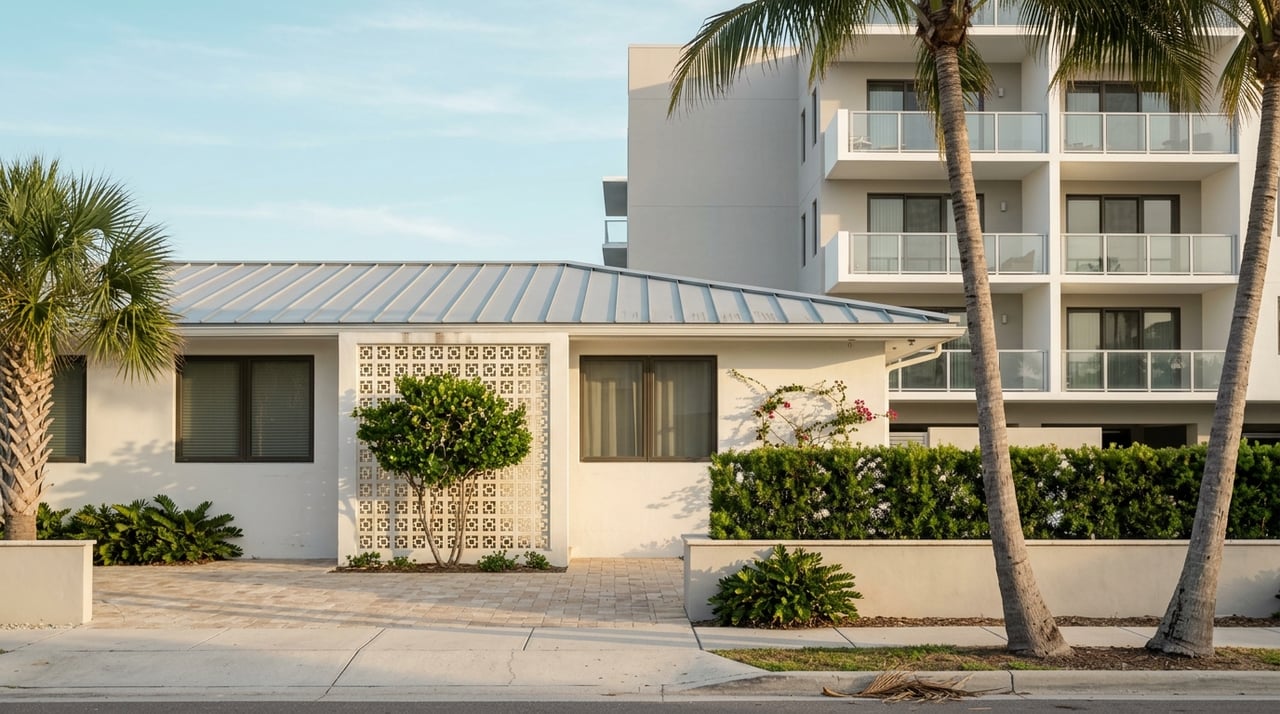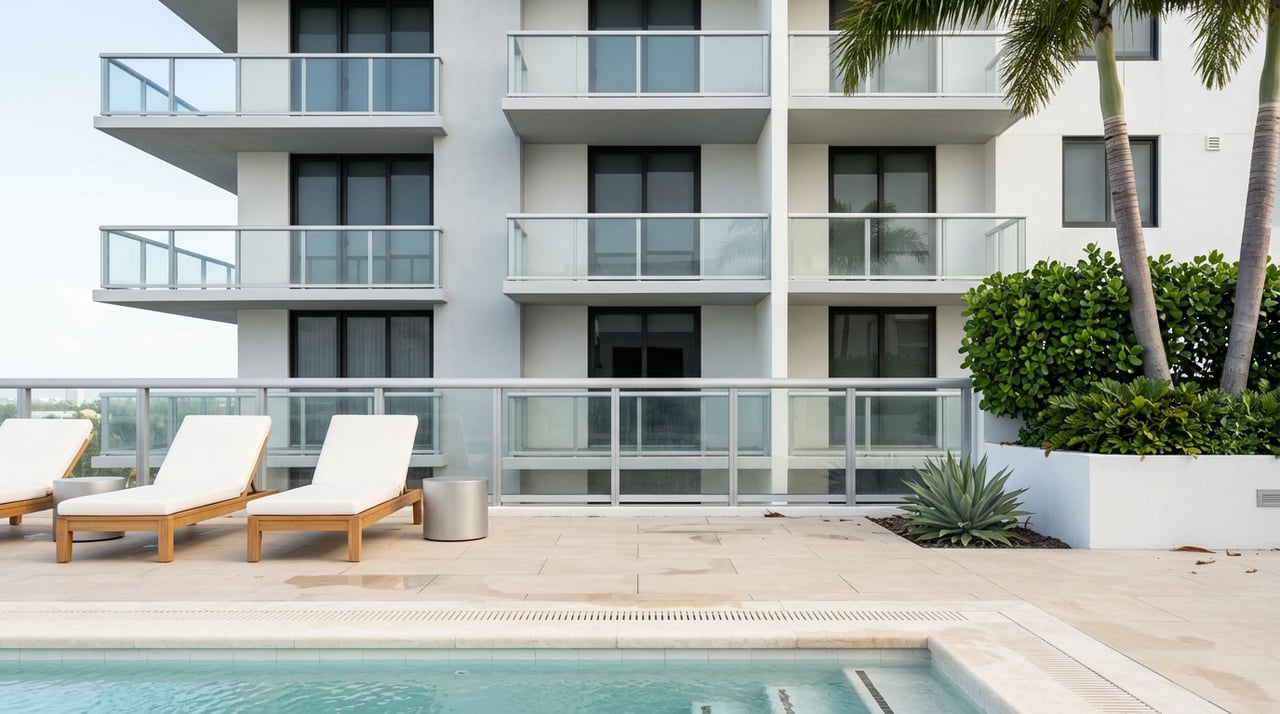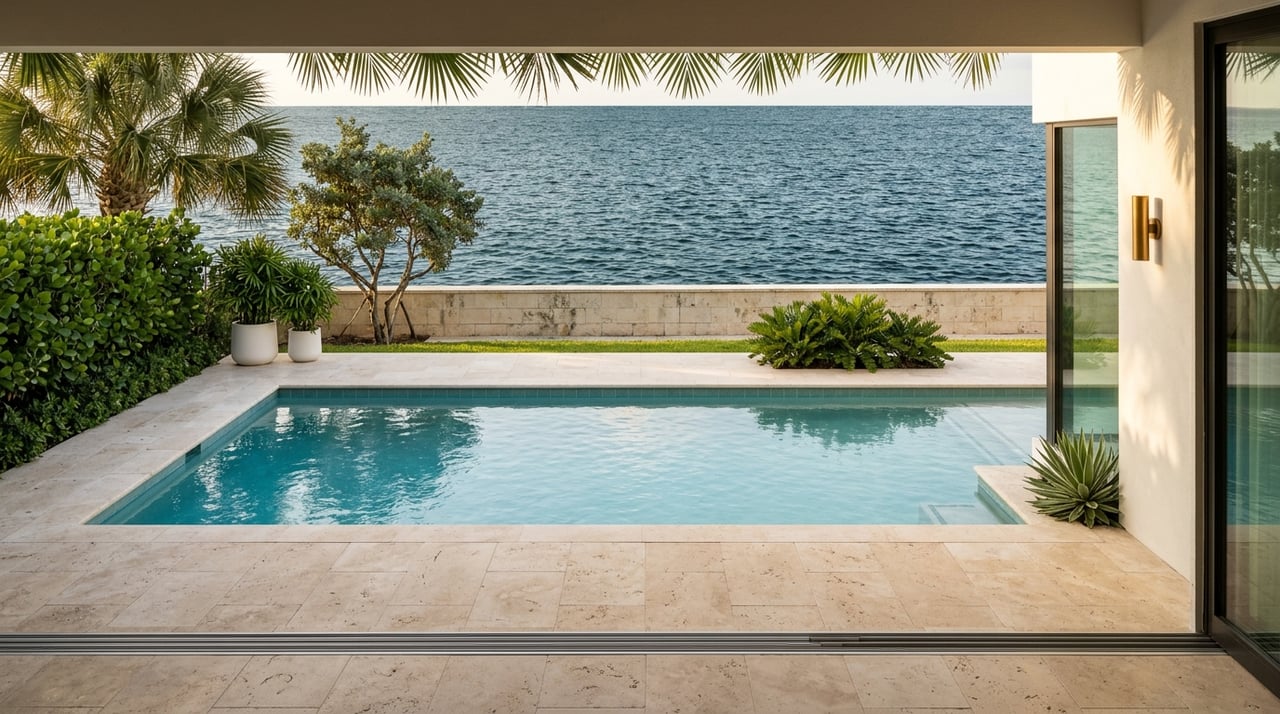
If you have spent any time watching the top of the Naples market, you already know that not every expensive home is a true trophy estate. In Port Royal, the difference often comes down to factors that are harder to replicate, harder to approve, and far scarcer than finishes or square footage alone. If you are buying, selling, or evaluating a premier property here, it helps to understand what truly sets the highest tier apart. Let’s dive in.
Port Royal Trophy Value Starts With the Site
In Port Royal, trophy status begins with the land. The neighborhood is an official City of Naples neighborhood, and the Port Royal Property Owners’ Association works to preserve the area’s integrity, prestige, and property value.
That matters because the neighborhood is tightly controlled. Port Royal sits within the City’s R1-15A single-family district, where minimum lot area is tied to one platted lot within the specified Port Royal plats. In simple terms, the site itself is a major part of the value story.
For that reason, a true trophy estate is rarely defined by the residence alone. Even a beautifully finished home may fall short of trophy status if the parcel lacks the right orientation, frontage, privacy, or future flexibility.
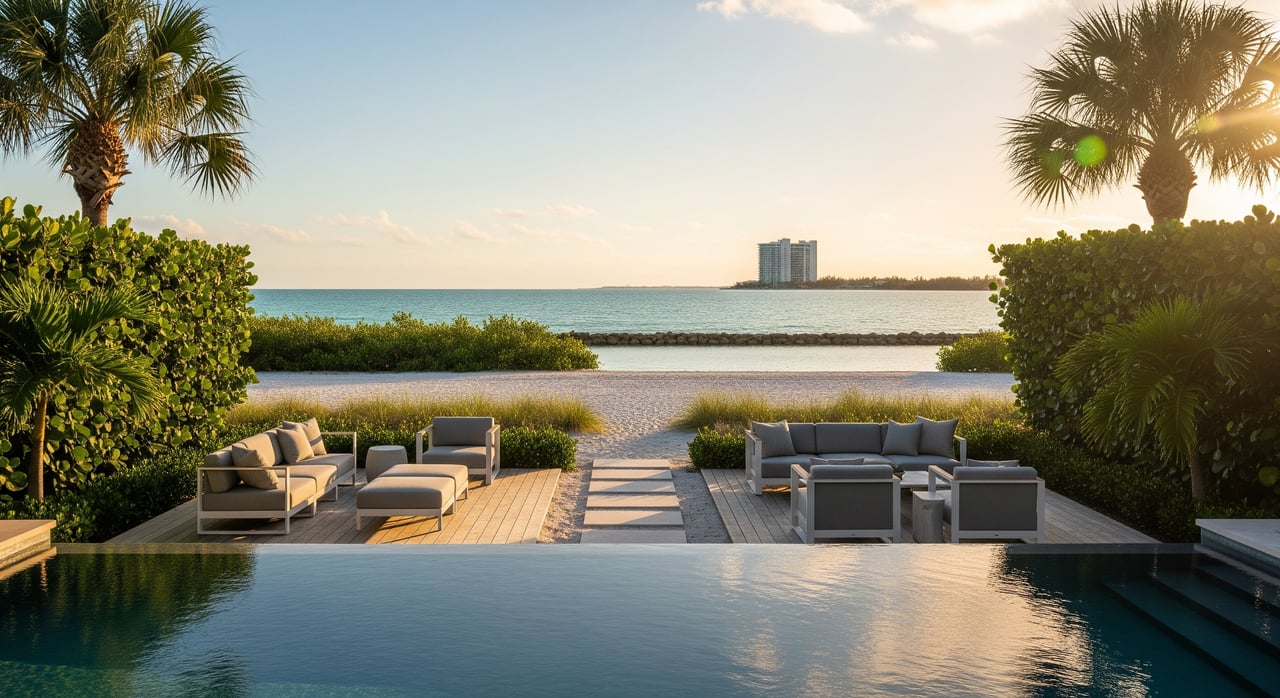
Waterfront Position Shapes Perception
Water orientation matters
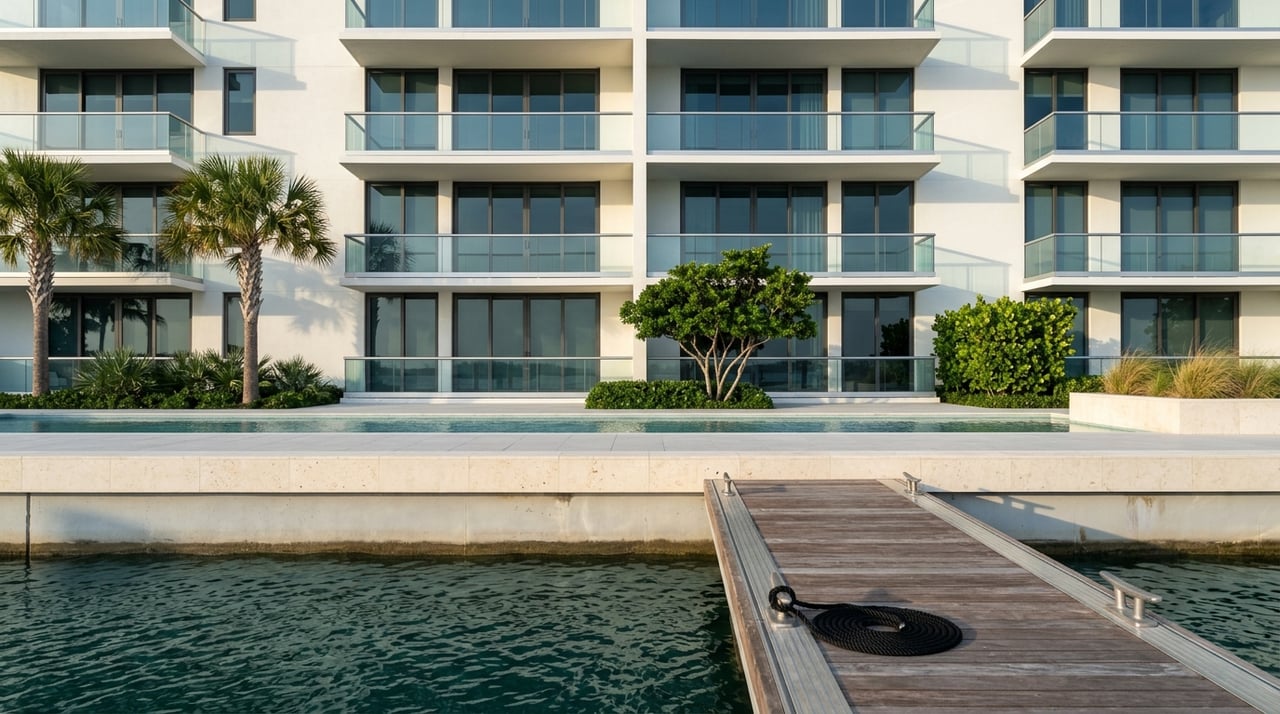
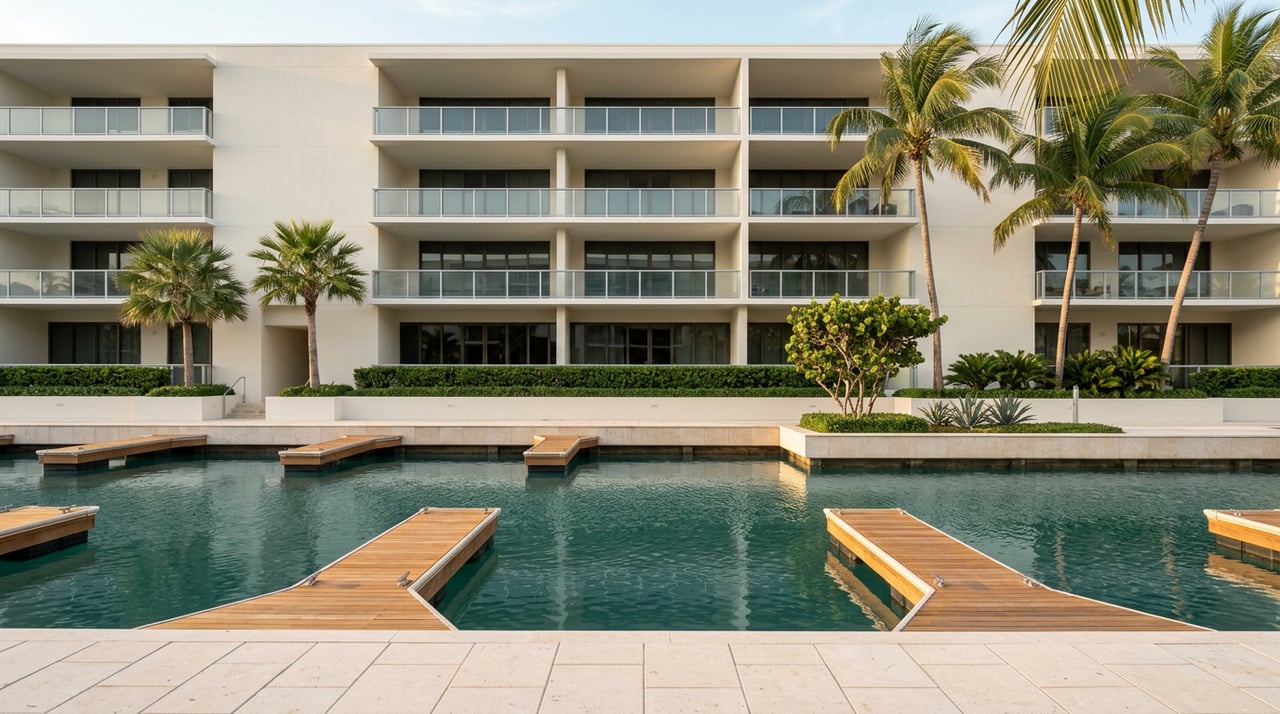
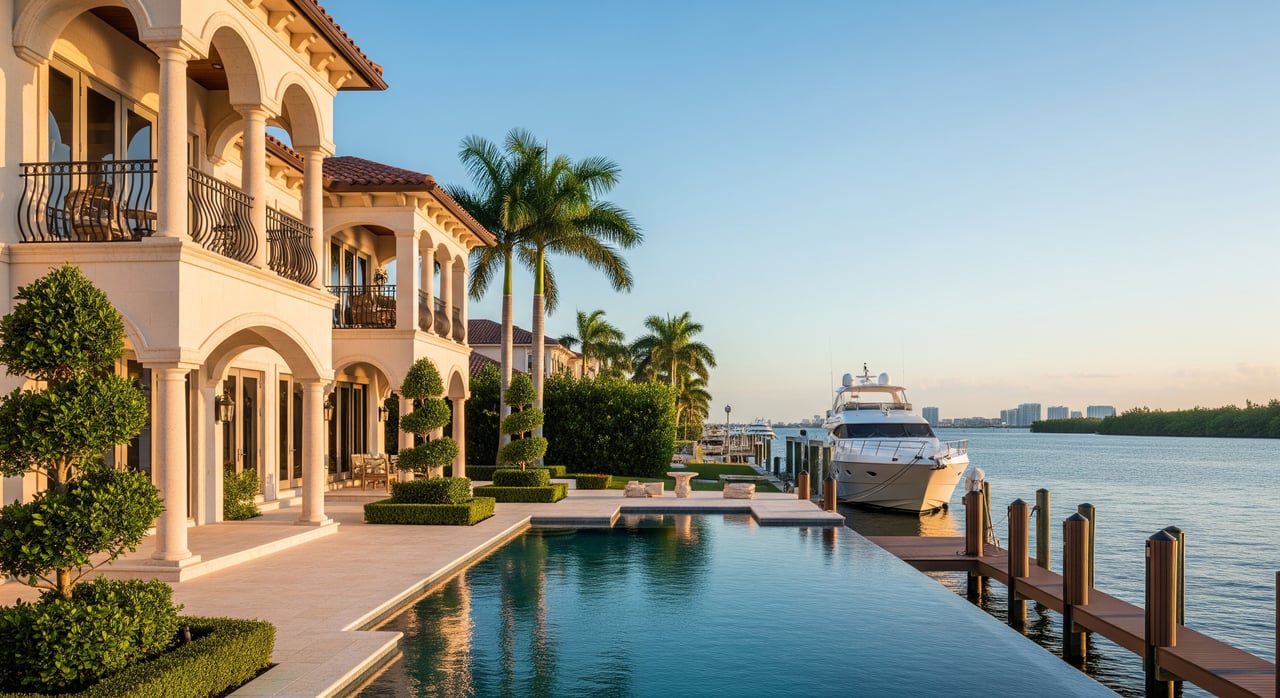
Naples Bay connects to the Gulf of Mexico through Gordon Pass, which gives Port Royal a direct relationship to the water that few neighborhoods can match. Within that setting, waterfront position becomes one of the clearest separators between luxury and trophy.
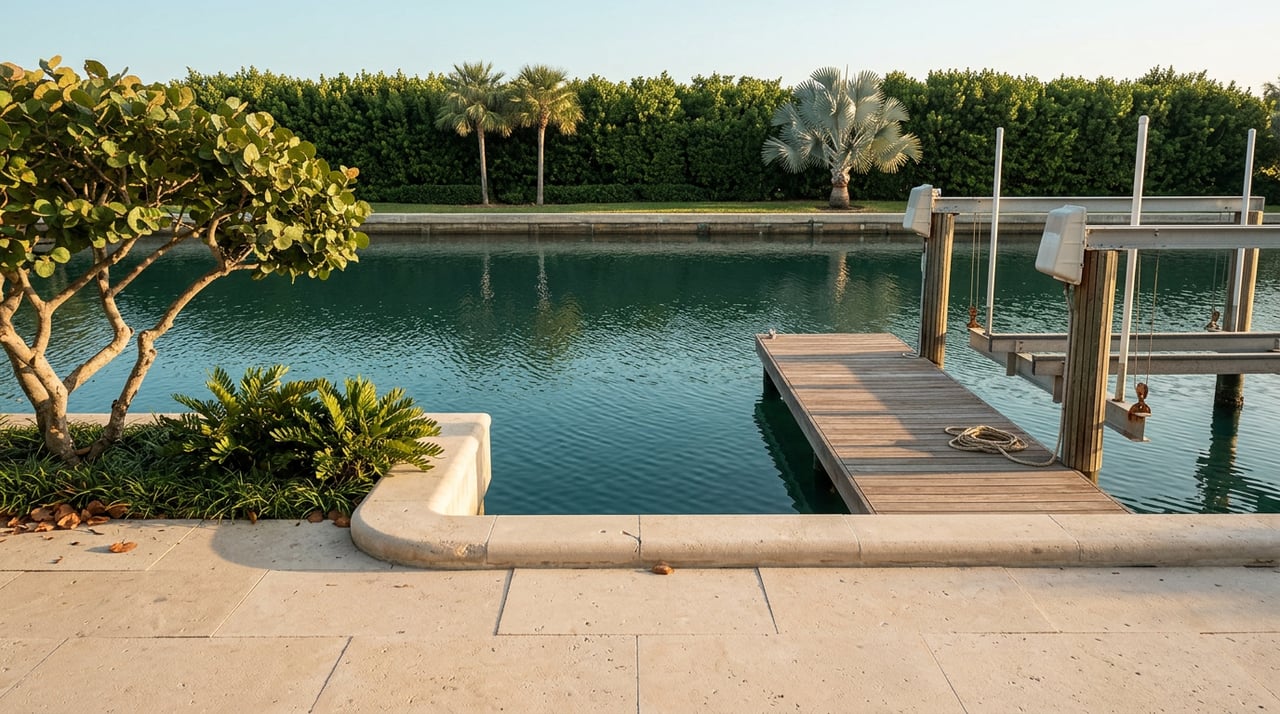
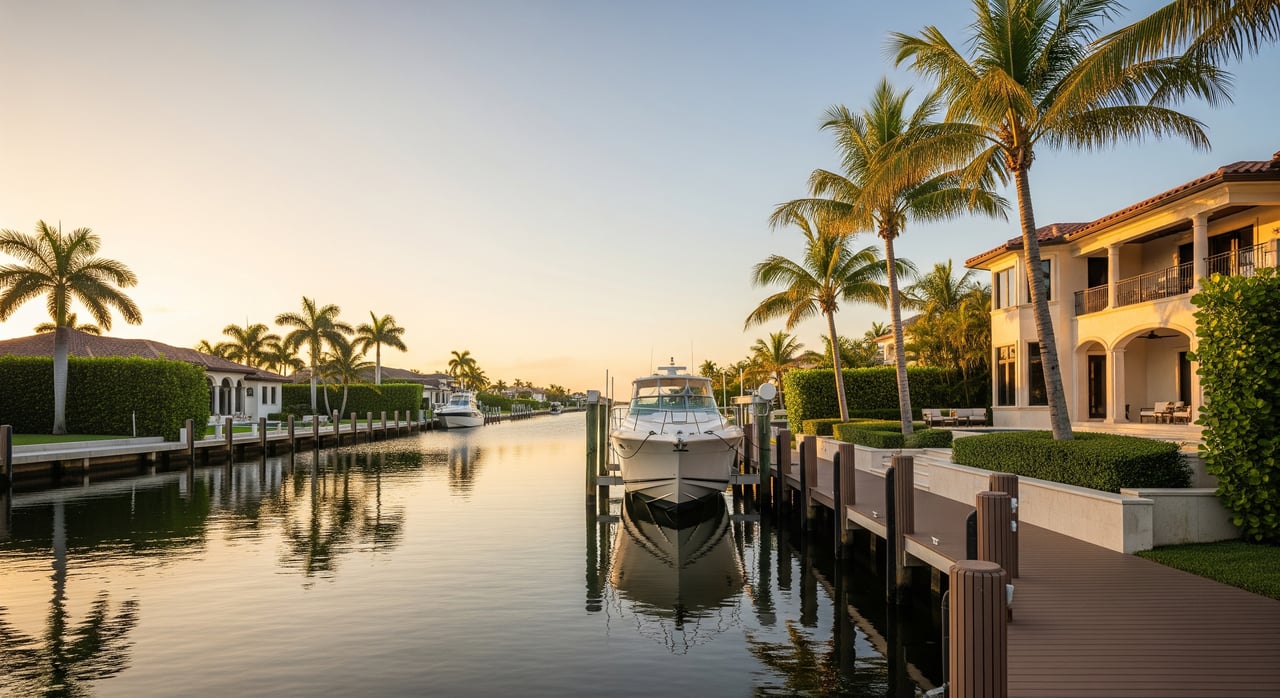
The City’s waterfront rules regulate elements such as docks, mooring piles, rip rap, and waterfront plantings. Those standards influence how a property lives day to day, especially when it comes to views, sightlines, and the sense of openness from the house to the water.
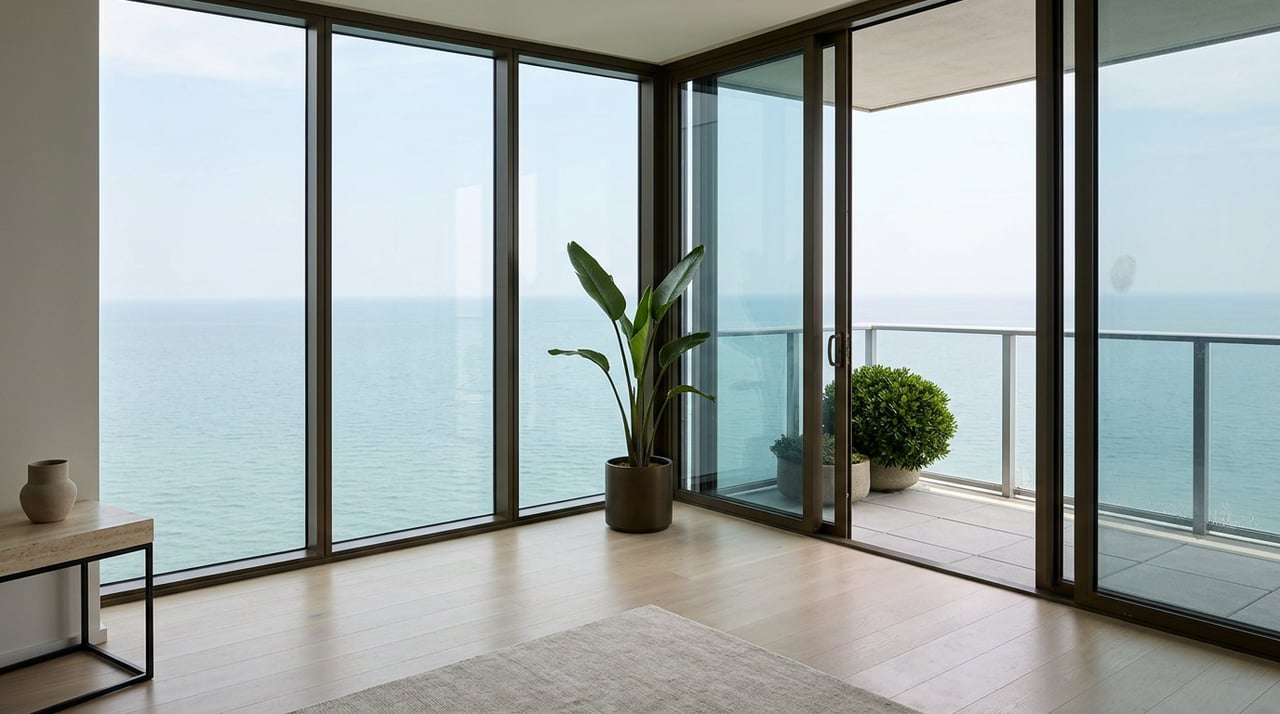
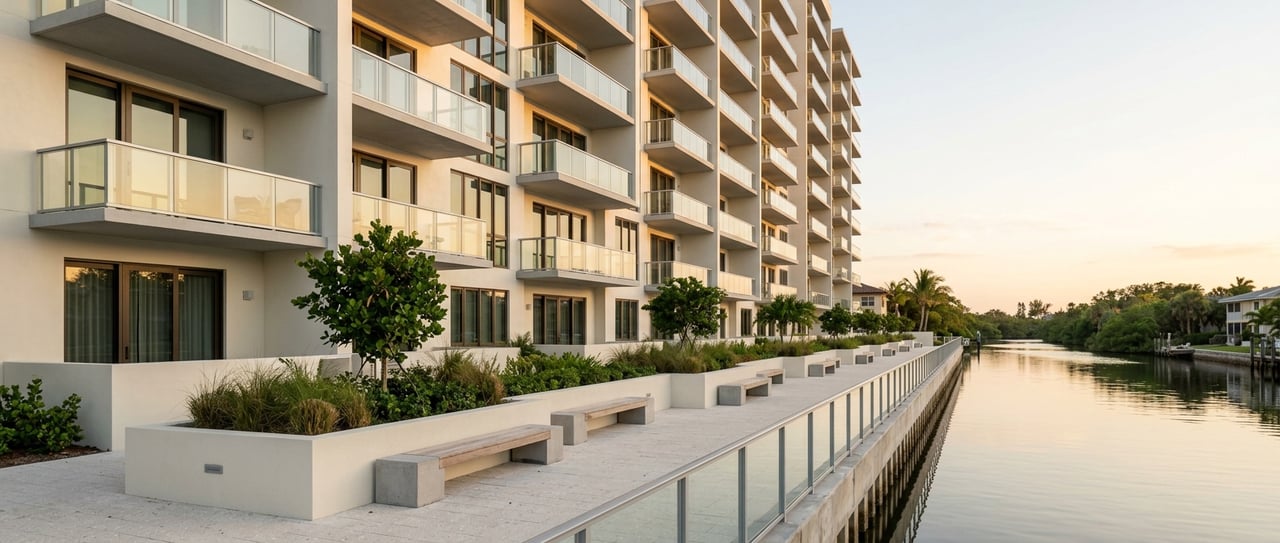
A trophy estate usually offers a cleaner visual experience. That often means stronger orientation to the water, fewer visual interruptions, and a setting that feels composed rather than crowded.
Views and dock constraints affect value
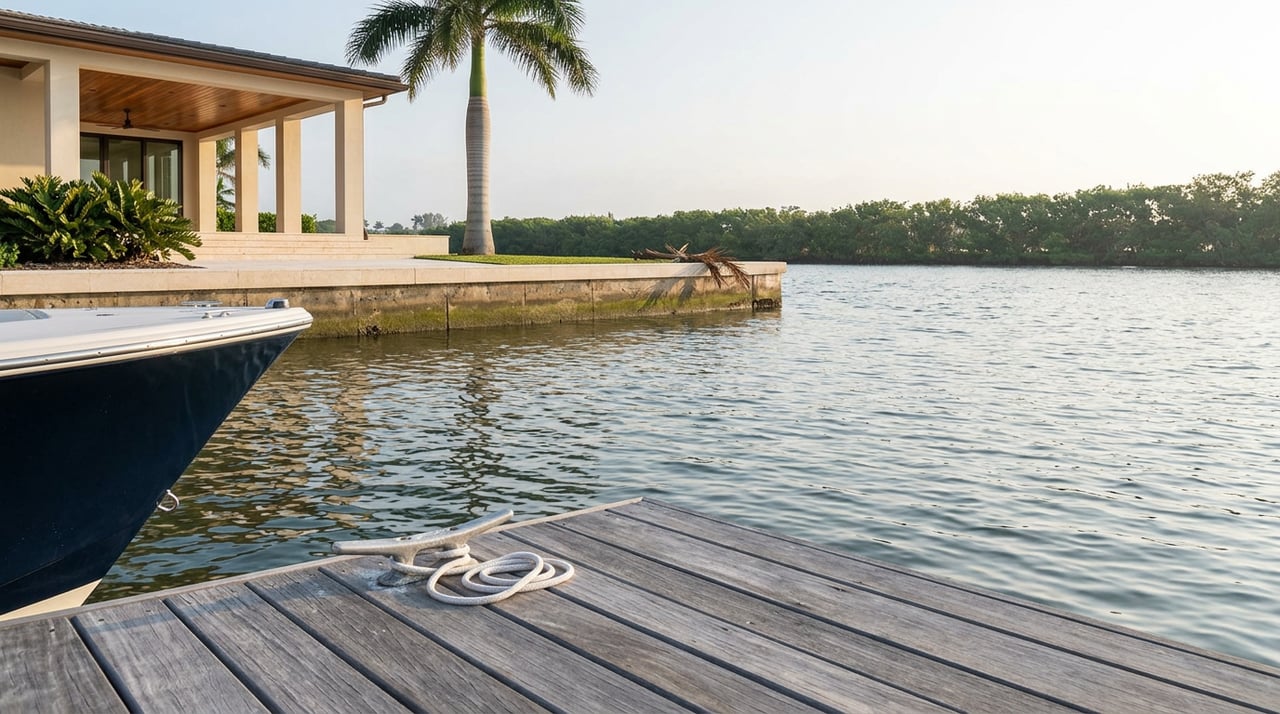
In Port Royal, the shoreline is not a blank canvas. Dock and pier limits, along with review standards, affect what can be built and how a property functions over time.
That is why two waterfront homes with similar price points can feel very different in the market. One may offer a more usable waterfront edge, while another may face constraints that make future changes more difficult.
Lot Geometry Is a Major Divider
Width and frontage carry real weight
Broad lot geometry is one of the strongest signs of true trophy status in Port Royal. Wider and more usable frontage can improve curb presence, privacy, water exposure, and design flexibility.
A public example helps illustrate the point. A recent sale at 860 Admiralty Parade E. closed at $40 million on a lot-and-a-half parcel with 177 feet of frontage. That transaction is a strong indication that scale and frontage are central to the top tier.
When buyers at this level evaluate a property, they are often looking beyond the current house. They are assessing how the lot supports a best-in-class residence now and in the future.
Depth and usability matter too
A large parcel is not automatically a superior parcel. The best sites tend to pair width with depth and a layout that supports a comfortable relationship between the home, outdoor living areas, and the waterfront.
In a neighborhood with strict controls, awkward geometry can limit what is realistically possible. By contrast, cleaner lot lines and more usable setbacks can make a property more compelling for both immediate enjoyment and long-term repositioning.
Architecture Is Part of the Value
Port Royal has a high review standard
Architectural pedigree is not just a lifestyle preference here. It is built into the neighborhood’s review structure.
The Port Royal POA requires plan review for homes, structures, alterations, walls, fences, docks, and even exterior colors to ensure compliance with deed restrictions and City standards. The POA also states that only qualified, licensed architects and builders with proven ability are approved.
That framework raises the bar across the neighborhood. In Port Royal, architecture is part of what protects value, not just a design choice layered onto the land.
Design quality has lasting influence
City code adds further structure, including an 8:12 minimum roof pitch and underground utilities. Those requirements help shape the built environment in a way that feels consistent and deliberate.
As a result, a trophy estate typically combines a premium site with a residence that feels appropriately resolved for Port Royal. Buyers at the top of the market often respond to homes where architecture, setting, and scale work together seamlessly.
Privacy Is Essential to Trophy Status
Privacy is one of the most important qualities in the upper tier of the market, and in Port Royal it is supported by both design standards and neighborhood operations. Waterfront plantings are limited to preserve views, mechanical equipment must be screened, and the association maintains entrance security and beautification efforts.
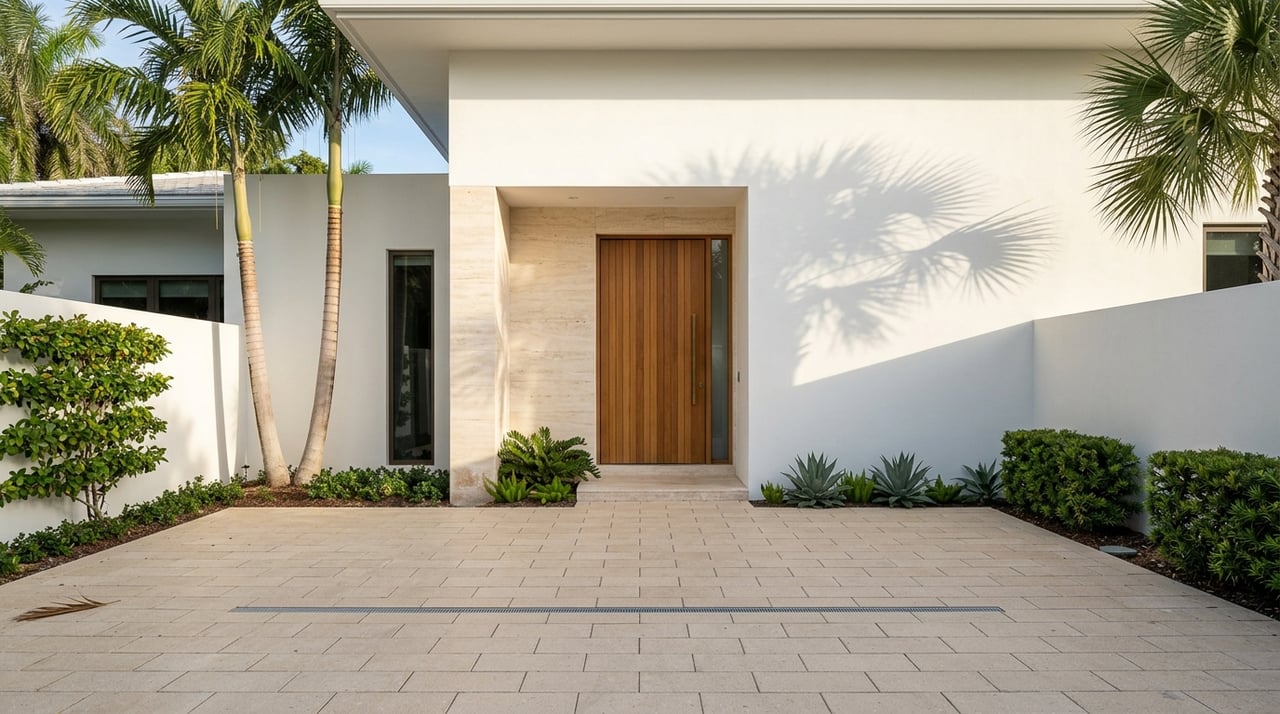
Those details may sound operational, but they have a real effect on how a property feels. A trophy estate should offer a strong sense of retreat without sacrificing openness to light, water, and outdoor living.
In practice, privacy in Port Royal is usually layered. It comes from lot placement, sightlines, landscape planning within the rules, and the separation created by stronger parcel dimensions.
Club Relevance Adds to the Story
The Port Royal Club is a members-only beach club located on Gordon Drive, and membership is affiliated with ownership of property in the Port Royal neighborhood. For many buyers, that relationship adds to the long-term appeal of ownership in the area.
As of June 2026, the Club is reconstructing its beach club after Hurricane Ian, with temporary dining facilities approved until the rebuilt club opens or June 1, 2027, whichever comes first. While club access is not the sole reason a property reaches trophy status, immediate relevance to that lifestyle is often part of the broader value equation.
In other words, the strongest estates tend to connect not only to the water and the architecture, but also to the full Port Royal ownership experience.
Rebuild Potential Matters More Than Many Buyers Realize
The next chapter affects today’s value
In Port Royal, future repositioning potential can be as important as current condition. Because every home or alteration must fit the neighborhood’s approval regime, the most valuable parcels are often the ones that give an owner more flexibility to create something exceptional over time.
That does not mean every buyer plans to rebuild. It means sophisticated buyers often price in the land’s capacity to support a future residence that fully honors the site.
What supports stronger flexibility
From a practical standpoint, rebuild potential tends to be stronger when a parcel offers:
- Broad and usable frontage
- Cleaner setbacks
- Fewer awkward shoreline constraints
- Dock conditions that do not overly limit future planning
- A site plan that can support privacy and strong indoor-outdoor flow
When those factors line up, the property often carries a different level of confidence in the market.
Pricing Reflects Rare Combinations
At the top of Port Royal, pricing can move sharply because a small number of sales can skew averages. In the Douglas Elliman and Miller Samuel Q1 2025 report, Port Royal single-family median sales price was $10.5 million and average sales price was $16.89 million. In Q1 2024, the median was $17.2 million.
NABOR later noted that two record-breaking Port Royal transactions, an $85 million home sale and a $225 million three-parcel purchase, distorted Naples’ average closed price in April 2025. That is a useful reminder that headline numbers alone do not define the true top tier.
Publicly reported sales also help frame the upper market. A Port Royal home sold for $36.49 million in October 2024, and another sold for $40 million in April 2026. Together with the larger benchmark trades, those sales point to the same conclusion: the trophy tier is created by rare combinations of land, water, architecture, privacy, and long-term usability.
How to Recognize a True Trophy Estate
If you want a practical shorthand, a true Port Royal trophy estate usually combines several core traits at once. Missing one of them does not make a property undesirable, but it may place the home in the ultra-luxury category rather than the true trophy tier.
Look for these defining elements:
- Premium waterfront position
- Broad and usable lot geometry
- Strong architectural pedigree
- Meaningful privacy
- Direct or immediate club relevance
- Clear future rebuild or repositioning flexibility
That combination is what tends to separate the rarest Port Royal properties from homes that are simply expensive or highly finished.
Why This Matters for Buyers and Sellers
If you are buying in Port Royal, understanding these distinctions can help you focus on what holds value over time. The most impressive interiors can be updated, but the best sites, view corridors, and lot dimensions are far harder to replace.
If you are selling, this framework helps position your property more precisely. In a neighborhood where nuance matters, the market responds best when a home’s true strengths are identified clearly and presented with discipline.
At the highest level of the Naples market, thoughtful evaluation matters. If you are considering a Port Royal purchase or preparing to position a significant property for sale, James Bates offers discreet, high-touch guidance grounded in deep downtown Naples market experience.
FAQs
What defines a true trophy estate in Port Royal?
- A true trophy estate in Port Royal usually combines premium waterfront position, broad lot geometry, strong architecture, privacy, club relevance, and future rebuild flexibility.
Why is land so important in Port Royal real estate?
- Land is especially important in Port Royal because the neighborhood has strict zoning, deed restrictions, and review standards, which make premium sites scarce and hard to replicate.
Does waterfront frontage affect Port Royal home value?
- Yes. Broad and usable waterfront frontage can improve views, privacy, design options, and long-term desirability, all of which can influence trophy-level value.
Does architecture matter as much as location in Port Royal?
- In Port Royal, architecture matters significantly because the POA and City standards create a high bar for design quality, approved plans, and overall neighborhood consistency.
How do recent Port Royal sales help define trophy status?
- Recent high-value sales show that the top of the market rewards rare combinations of site quality, water orientation, privacy, and architectural pedigree rather than square footage alone.