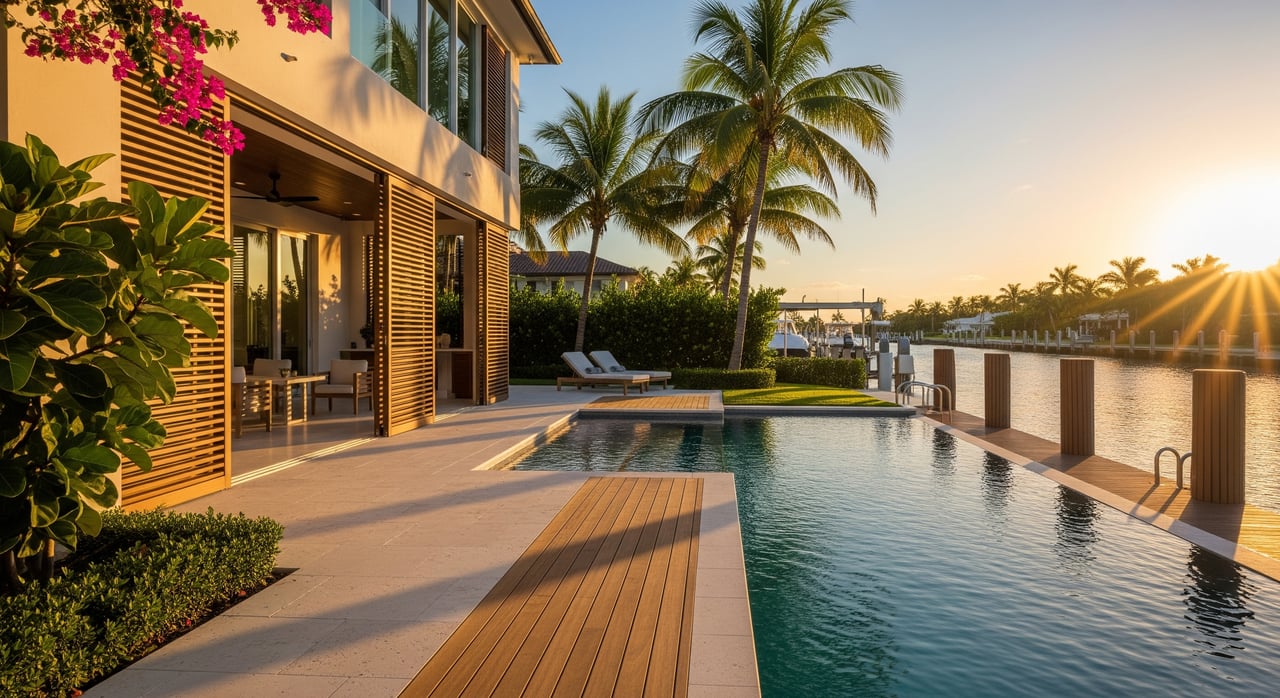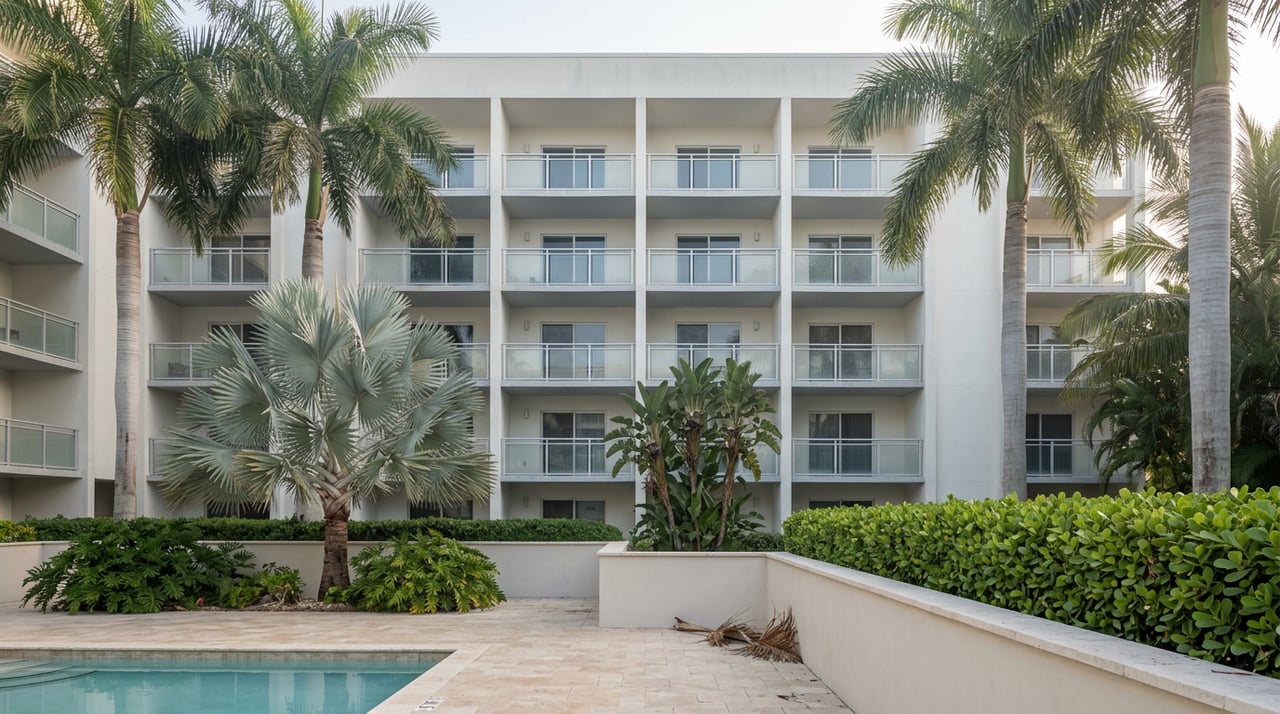
Ask a longtime Park Shore resident whether the neighborhood coalition defeated the Naples Grande water park, and most will say yes. The mailers stopped. The GoFundMe page went quiet. The petition numbers stopped climbing. By the accounting of anyone who lived through the past year, the fight is over and the good guys won.
The county's own zoning division tells a different story. In March 2026, Collier County staff sided with Naples Grande, not with the neighbors, on the central legal question in the dispute. The residents lost that argument outright. Yet two months later, the project stalled anyway. Understanding why requires separating the legal fight from the fight that actually decided the outcome, and that distinction matters for anyone in Park Shore who wants to know whether this is really finished or just paused between rounds.
The Proposal, In Plain Terms
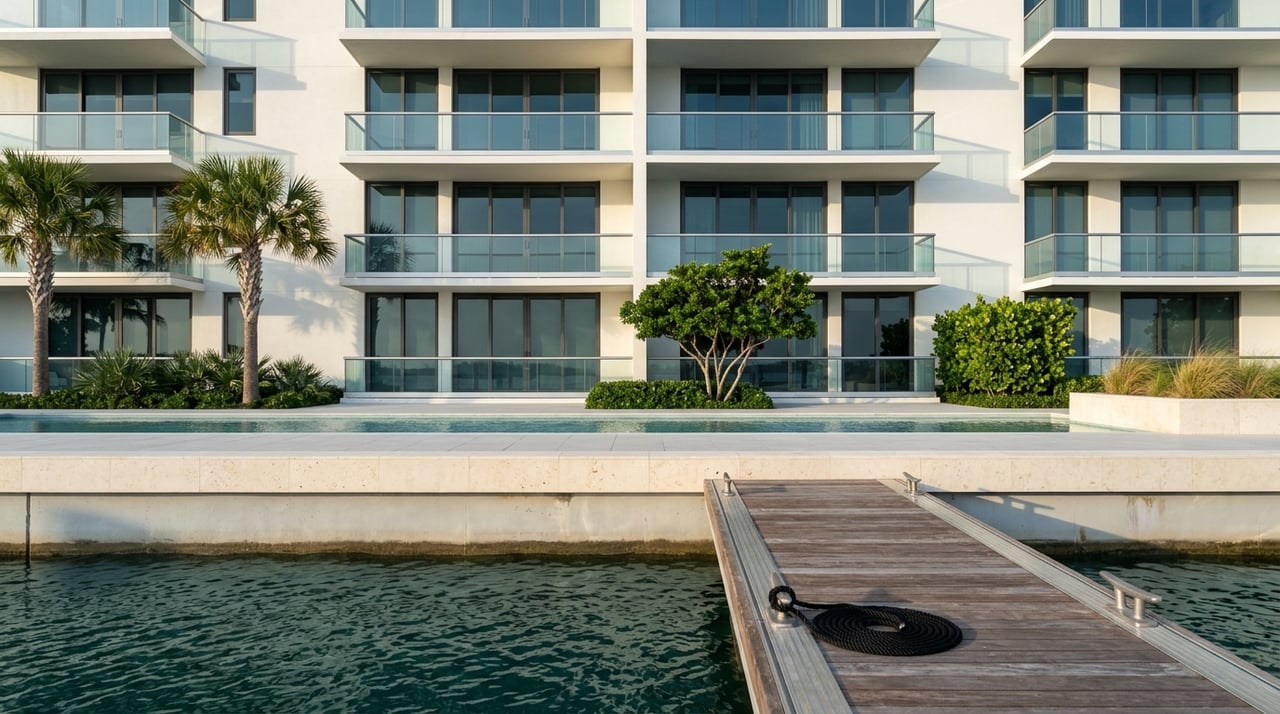
Naples Grande Beach Resort sits at 475 Seagate Drive, on the corner of Seagate Drive and Crayton Road, inside the Pelican Bay planned unit development, just across the border from Park Shore. The resort's owners, South Street Partners of North Carolina and British equity firm Henderson Park, filed plans to demolish seven tennis courts on the property's east side and replace them with a 3.3-acre attraction the county's site plans labeled Clam Pass Cove.
The concept included a lazy river, two water slides, a children's pool with close to twenty water-play features, and a food service area with its own kitchen. The detail that turned neighbors from concerned to organized was that the amenity would not be limited to overnight hotel guests. Day passes for the public were part of the plan, which meant traffic, parking, and noise projections that a private hotel amenity would never generate.
A Year, Compressed Into A Timeline
| When | What happened |
|---|---|
| Fall 2025 | Naples Grande files pre-application plans with Collier County; a petition against the project draws more than 1,300 signatures |
| January 2026 | The hotel files a formal plan to demolish the tennis courts; Bay Villas' attorneys argue the project violates the Pelican Bay PUD and county land development code |
| Design revisions | Slides are scaled back to 22 feet and shifted roughly 350 feet from the nearest Bay Villas building, a change tied to a county threshold that treats anything over 25 feet as a separate structure requiring its own approval |
| March 2026 | Collier County's Zoning Division sides with Naples Grande, rejecting Bay Villas' core legal arguments |
| March 24, 2026 | A coalition of more than 50 residents attends a Board of County Commissioners meeting; the chairman declines to take public comment, citing chamber rules; a hearing is expected within 60 days |
| May 30, 2026 | Collier County confirms the Site Development Plan Amendment has been withdrawn and Naples Grande is tabling the project for now |
The Argument The Neighbors Actually Lost
The legal fight never hinged on whether slides are loud or whether a lazy river belongs next to a residential canopy. It hinged on a single word: accessory. Bay Villas' attorneys argued that a public water attraction with its own kitchen and ticketed day passes is not a "customary accessory use" to a hotel, but a stand-alone commercial enterprise that should trigger a different, more restrictive layer of county review.
Seagate homeowners association president Patrick Wack, who worked closely with Bay Villas on the case, framed it as the fundamental question the entire dispute turned on. When Collier County's Zoning Division issued its official interpretations, it did not agree. The county found the project fit within the categories Naples Grande had proposed, and Bay Villas' central objections were rejected. Wack's team said they would appeal the ruling to the Board of County Commissioners, calling the county's interpretations severely flawed.
That appeal is what should have produced a formal vote. It never got the chance.
Why It Stopped Anyway
The March 24 hearing where residents were denied public comment came with a stated expectation: a full Board of County Commissioners hearing within 60 days. Count forward from late March and that window lands squarely in late May, the same stretch of time in which Collier County confirmed the Site Development Plan Amendment had been withdrawn.
Naples Grande did not lose a vote it never faced. It pulled its own application before that vote could happen, at the exact moment the process was set to put the matter in front of commissioners who had already signaled where they stood. Commissioner Dan Kowal had told a GSAC meeting he would vote no if the issue ever reached the board.
Ken Silverman, president of the Pelican Bay Property Owners Association, put the underlying logic plainly during one of the neighborhood meetings that preceded the county's ruling. The ownership group's motivation was financial return, he said, not sentiment, and that cuts both directions. A hotel ownership group weighing legal fees, a public commission vote it appeared likely to lose, and mounting community opposition can conclude the numbers no longer work even after winning the technical argument. That is a business decision, not a legal one, and it is the actual mechanism that paused Clam Pass Cove. The zoning ruling went one way. The math went the other.
The Price Tag Behind "For Now"
None of this came free to the people who fought it. Bay Villas alone reported spending roughly $100,000 in legal and professional fees pursuing its case, and had raised close to $40,000 through a GoFundMe campaign to keep the appeal moving. The Seagate Property Owners Association contributed $7,000 to that effort, and the Pelican Bay Property Owners Association added another $5,000.
That is the real cost of "tabled for now." It was not a courtroom victory. It was a year of resident time, a six-figure legal bill for one homeowners association, and a coalition that had to organize across five separate neighborhoods to generate enough friction to change a private ownership group's calculation.
Where Park Shore Actually Stood In This
The Clam Pass Cove site sits technically inside Pelican Bay, but the Park Shore Association treated it as its own neighborhood's business from the start. In a message to members in late 2025, the association laid out specific concerns distinct from Pelican Bay's, flagging traffic and parking pressure on bordering roads, questions about the water park's stormwater management plan and its effect on drainage resiliency, and light pollution from extended operating hours that could reach homes near the border.
Park Shore residents were also part of the 50-plus person coalition that showed up to the March 24 commission meeting alongside Pelican Bay, Seagate, Naples Cay, and Gulf Shore Association of Condominiums members. The Association's own website carried the May 30 update confirming the withdrawal, treating it as neighborhood news rather than something happening next door.
What "Tabled For Now" Actually Means
Withdrawing a Site Development Plan Amendment is not a denial. Naples Grande faces no county prohibition on refiling a revised version of the project, and nothing in the record suggests the ownership group has abandoned the concept permanently. As of this writing, no further filings or public updates have surfaced since the May 30 confirmation.
For residents, that means the file stays open rather than closed. If Clam Pass Cove returns, expect it to arrive as a new site plan submission, another round with the Pelican Bay Design Review Board, and very likely the same coalition of associations that organized the first time. The tennis courts, for now, are still tennis courts.
If you own property near this stretch of the coast and want a clear-eyed read on how a land-use dispute like this one factors into value and timing, Bates | Ives welcomes a conversation about what you're seeing on the ground. Request a private consultation whenever it's useful.